


Bali remains one of Southeast Asia’s most iconic island destinations, but overcrowding, traffic congestion, environmental strain, and overtourism are increasingly tarnishing the experience. Across the South China Sea, however, Sarawak is quietly positioning itself as a more laid-back, nature-rich alternative offering authentic culture, remarkable biodiversity, and a gentler pace of travel.
This article was contributed by Jamie Bush, with additional text by Chad Merchant.
Sarawak, one of the two Malaysian states in Borneo, is levelling up its tourism game plan, pulling out all the stops to make the state a preferred luxury tourism destination aiming to take over Bali in a few years. Sarawak has been working diligently to rebrand itself as a holiday destination of choice for discerning holidaymakers who are looking for something different, not the usual island holiday vibes per se. The state is a true tourism gem, enchanting and spiritual in its own unique way.
SPACE TO ROAM
Many are not even aware that Sarawak is situated on Borneo, the third-largest island in the world. Sarawak itself is the largest state in Malaysia at 124,450 sq km, with a population of only 2.9 million (2020 census). Bali is a small island east of Java Island at 5,780 sq km – a fraction of Sarawak’s size, yet with a population of 4.3 million.
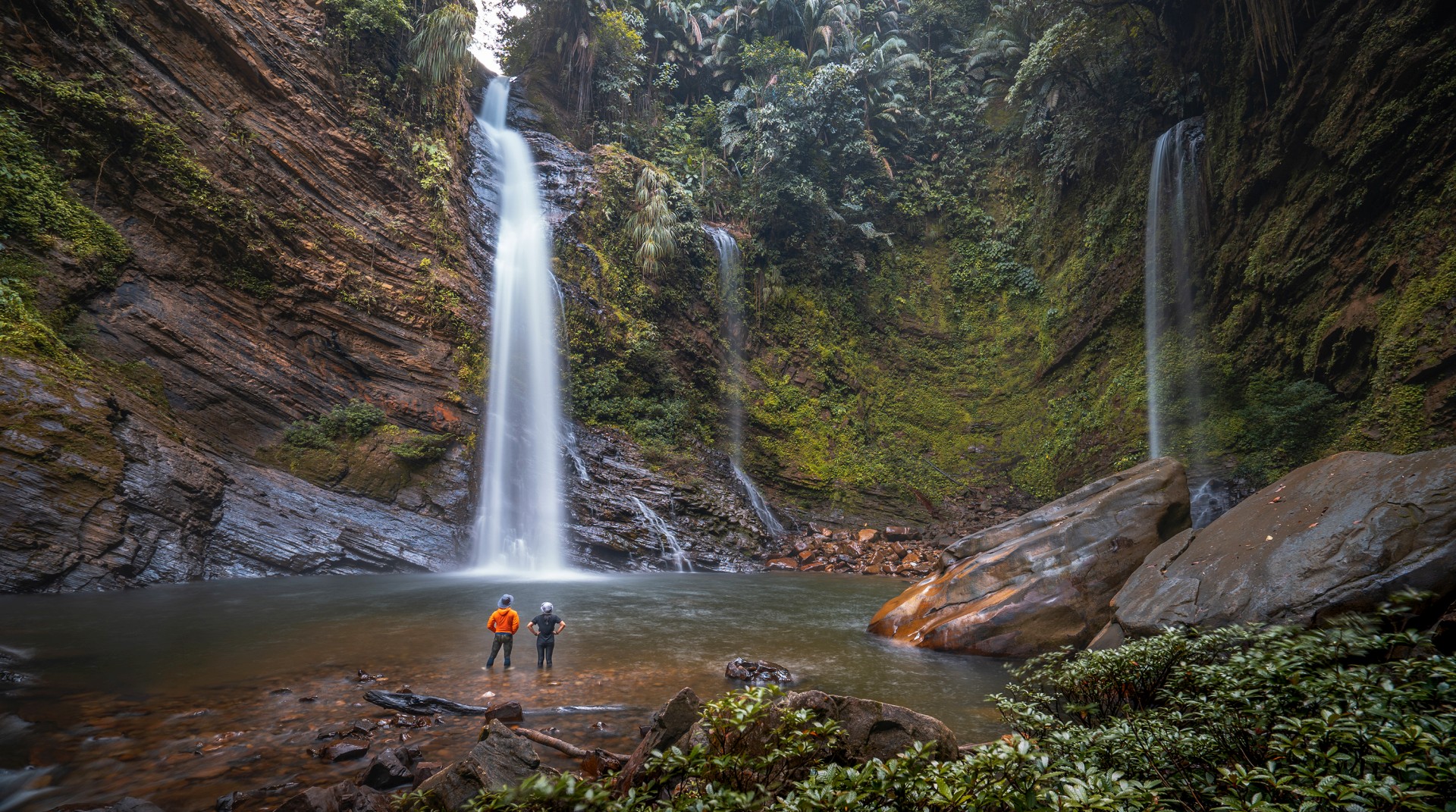
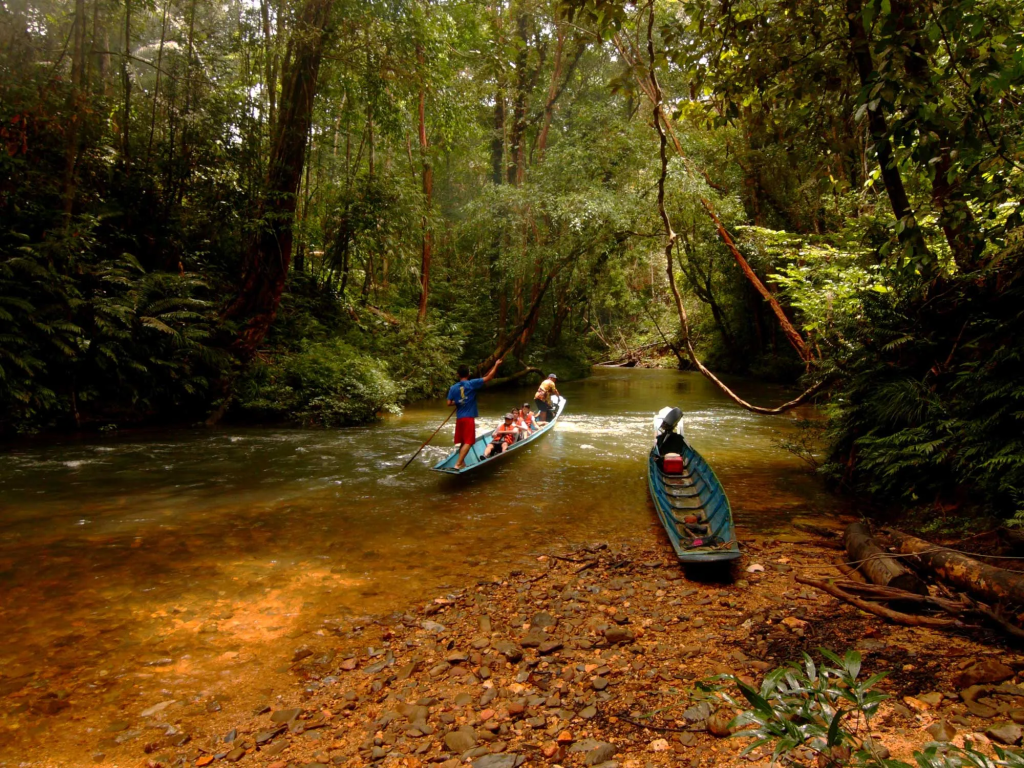
With such a huge landmass still widely unexplored, Sarawak has huge potential to be developed into world-class luxury tourism destination with the oldest rainforests in the world as the backdrop, accompanied by unique cultures, varied languages, and diverse cuisine to match. If overly touristy beaches, overpriced restaurants, and crowded parks and attractions are not your thing, then Sarawak is a place for your escape – and visitors will never be disappointed, as they can enjoy the beaches, parks, caves, rapids, waterfalls, and hot springs devoid of the massive crowds found in Bali. The allure of Sarawak is in its raw and expansive untouched beauty.
THE GATEWAY TO BORNEO’S SPIRITUALISM
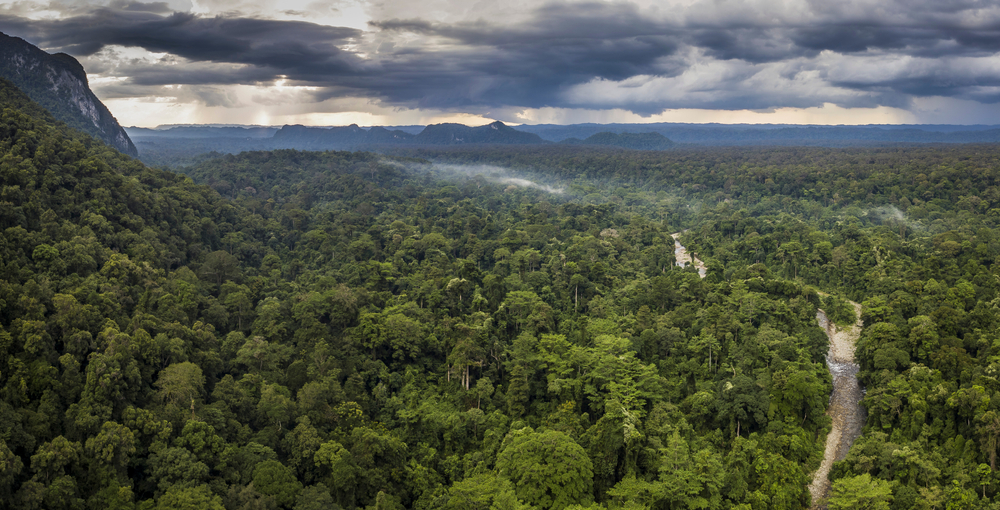
Spirituality is closely related to nature and nothing can beat the experience of immersing oneself into the vast ancient rainforests in Sarawak, Borneo. There is something special about the energy from the deep, dense rainforests which taps into your soul, fostering a sense of connection with your true self and rejuvenates mind, body, and soul.
While Sarawak and Bali share some similarities, with both cultures heavily influenced by animism and Hinduism, they are also very different in many aspects. Bali has been successfully branded and marketed as an Island of The Gods. However, some feel that its inherent spirituality may be tainted by excessive consumerism and the commercialization of the island’s religious and historical monuments. Bali is densely populated and suffering from serious pollution by uncontrolled mass tourism with growing environmental issues.
The tiny island is threatened by land subsidence caused by the uncontrolled harvesting of underground water which culminated into ground water contamination by saltwater seepage. The idyllic paddy fields are disappearing, giving way to countless luxury villas and hotels, the side effect of aggressive gentrification. Bali has become a victim of its own tourism success, something Sarawak can learn from. Sarawak’s spiritualism very much lies in its true essence: nature – the original home of spirituality.
DIVE PARADISE IN THE SOUTH CHINA SEA
Sarawak offers a dive paradise of its own which can give Bali a good run for its money. Spanning a whopping 186,930 hectares in the South China Sea, the protected Miri-Sibuti Coral Reefs National Park is the largest offshore national park in the state of Sarawak. The coral gardens in the area are part of the Coral Triangle Region, teeming with diverse marine life. The Miri-Sibuti Coral Reefs National Park, lying at depths ranging from 7 to 50 metres (23 to 164 ft) at the seaward edge, has an average visibility of 10 to 30 metres (33 to 98 ft). The best time to dive is from late March through November each year.
Popular diving sites includes Anemone Garden, Grouper Patch Reef, Atago Maru Wreck, and Seafan Garden. There are also some wreck dives. It is one of Malaysia’s most recently discovered diving locations and the largest offshore national park created in the state of Sarawak. The reefs are home to a wide diversity of marine creatures. Apart from Miri, Kuching has a few more great wreck dive spots off Santubong.
DISTINCT NATURE AND WILDLIFE
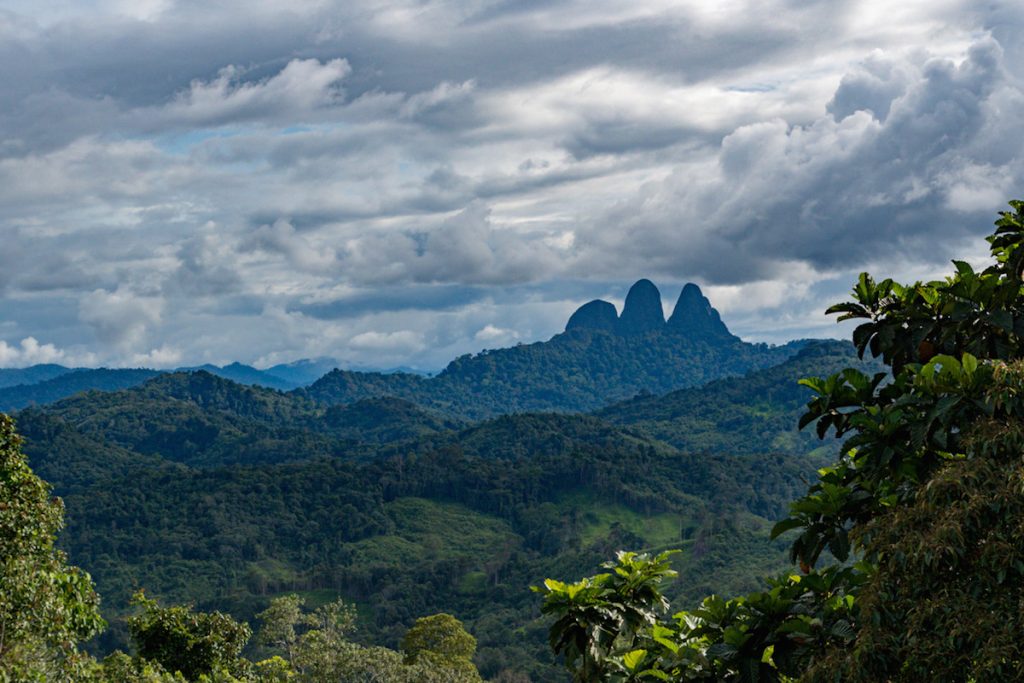
Sarawak, which is nearly 22 times larger than Bali, is the best place to explore nature and wildlife, as two-thirds of its lands are covered in dense rainforests, an area the size of Austria. Sarawak has a whopping 56 totally protected areas, 37 gazetted national parks, five wildlife sanctuaries, and 14 nature reserves. Sarawak’s rainforests house one of the world’s richest and most diverse ecosystems, boasting 12,000 species of vascular plants including the world’s largest flower, the Rafflesia, which can grow to the size of a coffee table.
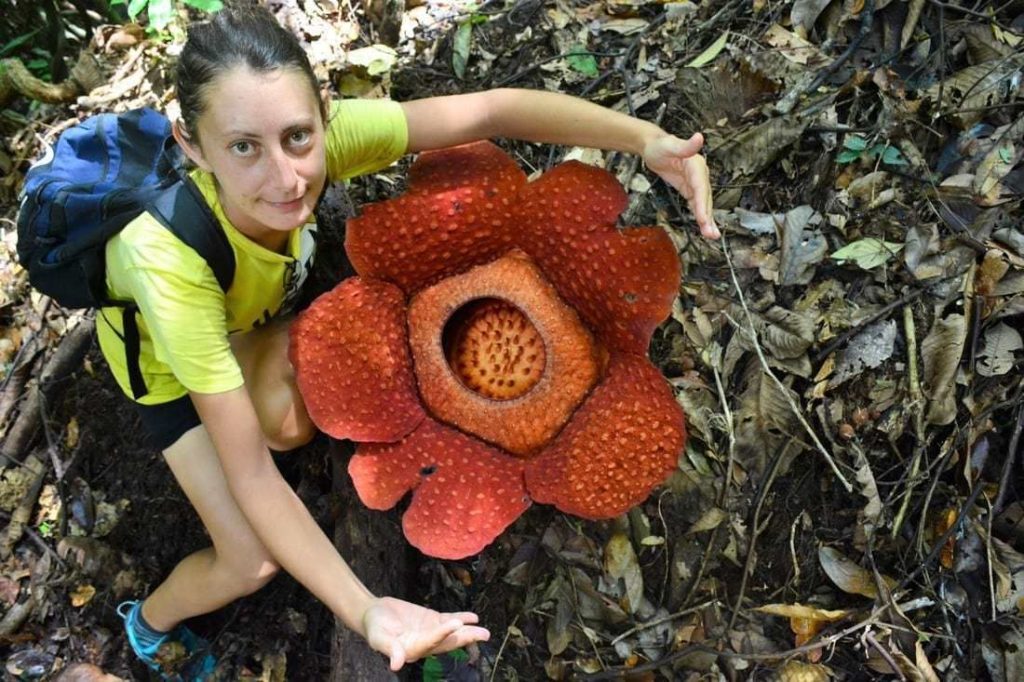
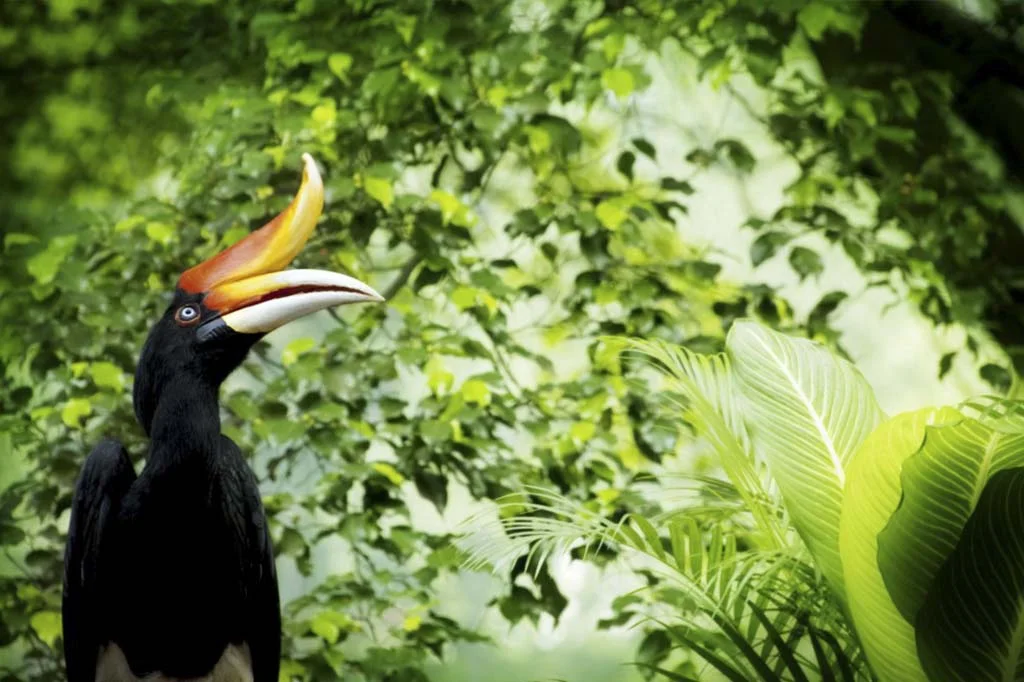
There are also squirrels and snakes that fly, deer the size of cats, plants that eat insects (and small animals), and more. The orangutan, proboscis monkey, hornbill, the Rajah Brooke butterfly, and the silverleaf monkey all call Sarawak home. Experts believe that there are some species of flora and fauna yet to be discovered. Sarawak also has the most number of Important Birding Areas (IBAs) in Malaysia, with a great portion of Borneo’s 650 bird species having been recorded here.

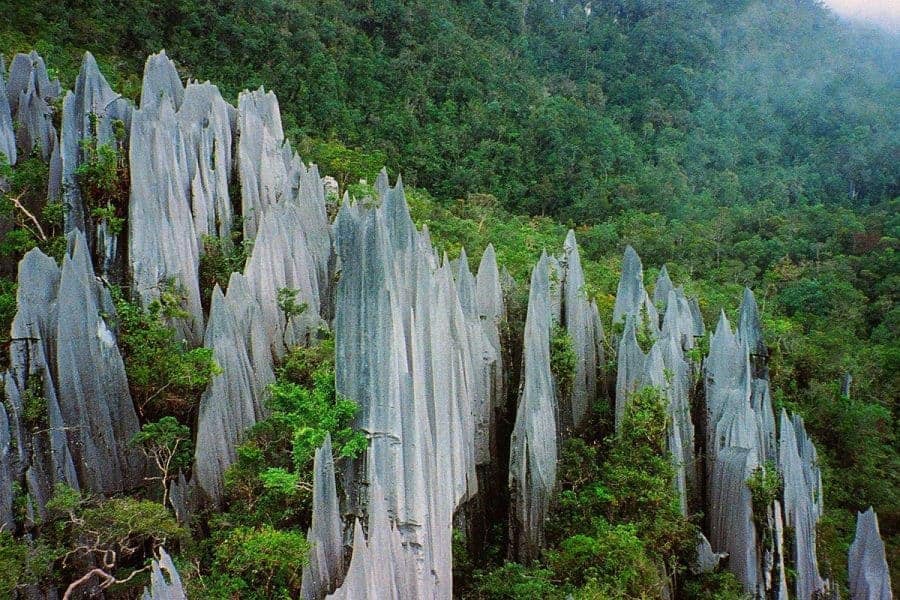
Mulu National Park is a priceless UNESCO World Heritage Site, in a league of its own as it qualifies for all four of the World Heritage criteria. Fewer than 20 World Heritage areas have managed this feat. Bako National Park traces its first visitors’ footprints to 1957, making it one of Malaysia’s oldest National Parks. Niah National Park is famed for Sarawak’s genesis, with evidence of human presence from 60,000 years ago discovered in the form of Paleolithic and Neolithic burial sites.
A well-known 18th-century naturalist, Sir Alfred Russell Wallace, visited Sarawak twice and spent almost two years conducting research on flora and fauna. Wallace arrived by way of an invitation from his good friend, Sir James Brooke, a British explorer whose family ended up ruling Sarawak for 100 years. Wallace documented 377 different species of butterfly around Peninjau Hill, where James Brooke had his summer cottage on the slope. In that cottage, he wrote his influential “Sarawak Law” paper, where he pondered the unique distribution of related species. Sir Alfred Russell Wallace and Charles Darwin co-invented the “Theory of Natural Selection.”
UNIQUE BORNEO TRADITION, ARTWORK, AND CRAFT
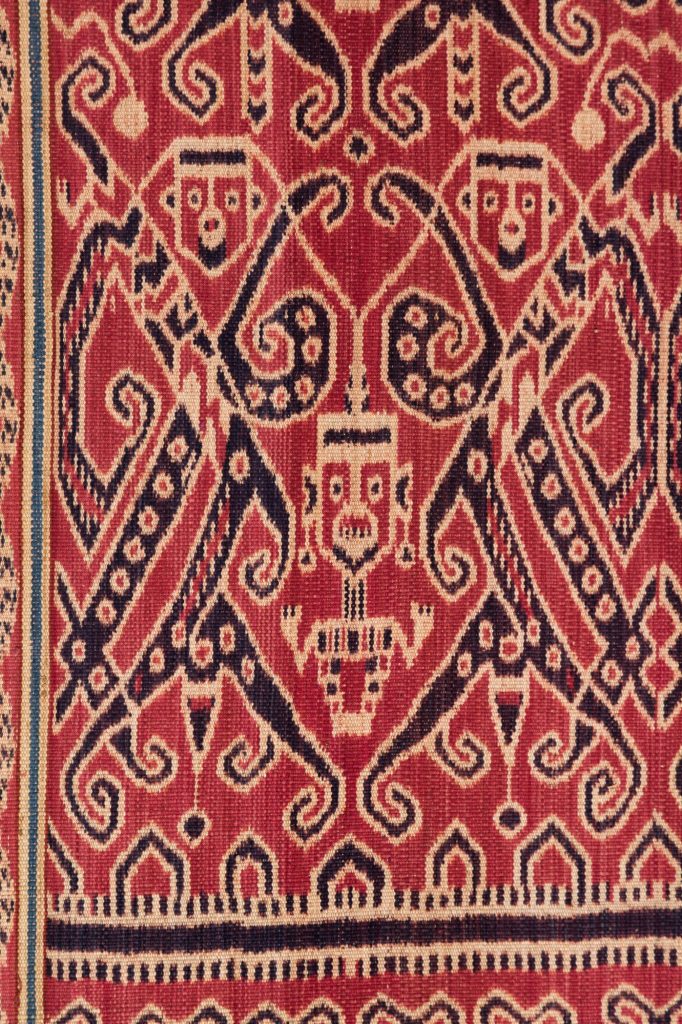
Sarawakians are known as warm, kind, and friendly people who embrace modernity with ease, but still remain steeped in Borneo traditions, reflected by lifestyle, architectural design, artwork, and craft. Even though Sarawak is part of Malaysia, it has a completely different culture because of its ethnic diversity, predominantly made up of Iban, Chinese, Malay, Bidayuh, Orang Ulu, Melanau, and over 40 other sub-ethnic groups. The indigenous people in Sarawak are collectively known as Dayak, with over 40 language groups being spoken in innumerable dialects in Sarawak.
The artistic expressions of the Dayak artisans in Sarawak are immortalized in their elaborate design and craft, interpreted through the legacy of oral tradition. Even though there are certain similarities between Balinese and Borneo artwork, Balinese artwork is very much influenced by Balinese Hinduism whereas Borneo artwork is derived from their animist practices, which venerate ancestors, spirits, and nature. This largely explains the absence of the ancient temples in Sarawak which are so prevalent in Bali. A half-day visit to the Sarawak Cultural Village in Kuching will provide a quick glimpse into Borneo tradition, artwork, and craft. Sarawak is also taking the lead to showcase Borneo elements to the world by incorporating it into fashion tourism.
TERRIFIC CUISINE AND COFFEE CULTURE
To foodies and coffee lovers, Sarawak has great news for you. The multi-ethnic state’s capital, Kuching, was declared a UNESCO Creative City of Gastronomy in 2021 and is a melting pot of various different local and international cuisine – and even boasts its own homegrown Sarawak Liberica coffee bean! Sarawak aims to develop its coffee production industry to cater to the growing interest in local coffee bean. An effort is being carried out to produce Sarawak Liberica on a bigger scale and penetrate the international market as well.
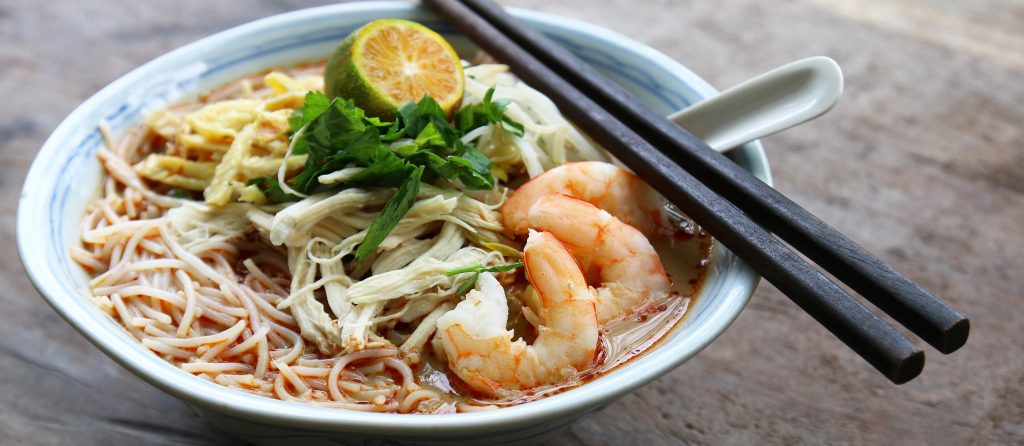
Of course, no visit to Sarawak is complete without trying its world-renowned dish, Sarawak Laksa. To invoke the late Anthony Bourdain for reinforcement, Sarawak Laksa is “Breakfast of the Gods.”
EXOTIC BUSINESS EVENTS HUB
Sarawak was recently named as the destination of the month by Association Meetings International and featured in their AMI magazine. It is a great milestone for Sarawak as an exotic business meeting and event hub, and an ongoing effort to develop digital connectivity in the state will make it even more attractive. The state offers a perfect setting for business events which offers business, leisure, and even adventure activities to business delegates.
An excursion to the nearest national parks or a caving adventure to Niah and Gunung Mulu National Parks would be a great reward after a stressful and productive business engagement. Activities like diving, snorkelling, trekking, river rafting, cycling, rock climbing are all on offer, or perhaps something less strenuous like a fun drive around to explore Bidayuh tribal villages in the scenic mountainous region of Padawan and Bau, or to see Iban longhouses in Batang Ai or Betong, Sri Aman.
DIRECT FLIGHT CONNECTIVITY UNDERWAY
Tourism in Bali benefits from decades of development and extensive international air connectivity, with direct flights linking the Indonesian island to major cities across Asia, Australia, the Middle East, and Europe. Sarawak, meanwhile, is steadily expanding its own international reach as it works to position itself as one of Borneo’s leading tourism gateways.
The Sarawak government and the Sarawak Tourism Board have been actively pursuing additional direct international routes into the state’s key entry points, particularly Kuching and Miri, recognizing that improved air connectivity is essential to driving sustained visitor growth and supporting the wider tourism economy.
At present, Kuching International Airport is served by several regional and international carriers, with direct connections from destinations including Singapore, Brunei, Jakarta, Pontianak, and various Malaysian cities such as Kuala Lumpur, Penang, Johor Bahru, Kota Kinabalu, and Kuala Terengganu. Miri also maintains important regional links, particularly to Brunei and major Malaysian hubs.
Recent years have seen renewed efforts to attract more foreign airlines and restore or expand routes that were reduced during the pandemic years. State officials have repeatedly stressed that better international accessibility will be key to unlocking Sarawak’s tourism potential, particularly as the state seeks to appeal to travellers looking for authentic nature, culture, adventure, and eco-tourism experiences beyond the region’s more heavily commercialized destinations.

VALUE FOR MONEY
Beyond its appeal as a travel destination, Sarawak also stands out for its relatively affordable cost of living compared with many other destinations in the region. Kuching, the state capital, has increasingly gained attention among remote workers, long-stay travellers, and digital nomads thanks to its relaxed pace of life, reliable infrastructure, modern amenities, strong café culture, and comparatively low living costs.
Accommodation in Kuching remains reasonably priced across a wide spectrum, from international hotels and boutique stays to serviced apartments, eco-resorts, and homestays. New hospitality developments are also continuing to emerge as tourism interest in the state grows. Dining is another strong point, with fresh produce and seafood widely available at prices that are generally far lower than in many major regional cities.
Healthcare in Sarawak is also well regarded, with both public and private medical facilities available in Kuching and other major towns. Combined with the city’s relatively manageable traffic, laid-back atmosphere, and strong English proficiency, this has helped make Kuching an increasingly attractive base for both regional and international visitors seeking a slower, more livable alternative to some of Southeast Asia’s busier tourism hotspots.
While Bali remains far more internationally established, Sarawak’s supporters argue that the Malaysian state offers something increasingly difficult to find elsewhere in the region – authenticity, breathing room, and a strong connection to nature and local culture without the pressures of overtourism. As global travellers continue seeking more meaningful and sustainable experiences, many believe the “Land of the Hornbills” is well positioned to attract a growing share of attention in the years ahead.