



With congestion worsening and questions mounting over the long-delayed undersea tunnel project, Penang is once again exploring the possibility of a third bridge linking the island to the mainland – potentially reshaping one of the state’s biggest infrastructure debates.
For years, Penang’s proposed undersea tunnel has occupied a curious space in Malaysian public discourse – part ambitious infrastructure vision, part political football, and part engineering puzzle. Now, however, the state government appears to be reassessing its options, with renewed attention being given to the possibility of building a third bridge linking Penang Island to the mainland instead.
The latest development emerged during the recent Penang State Legislative Assembly sitting, when state infrastructure committee chairman Zairil Khir Johari confirmed that the government is studying the feasibility of a new bridge connection as a possible alternative to the undersea tunnel project first announced some 15 years ago.
According to Zairil, the move reflects the state government’s desire to ensure any large-scale infrastructure undertaking is “sustainable, practical, and capable of delivering optimum benefits” – wording that, while diplomatic, also hints at growing caution over the tunnel’s long-term viability.

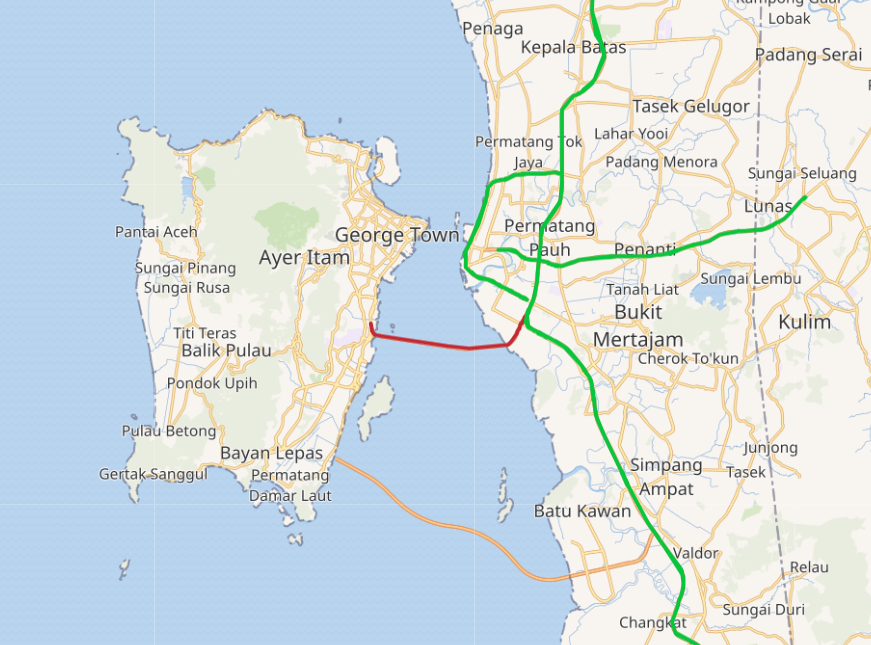
The original Penang undersea tunnel proposal dates back to 2011 and formed part of the broader Penang Transport Master Plan (PTMP). The proposed 7.2-km tunnel would connect George Town on Penang Island with Bagan Ajam in Butterworth, making it the first undersea road tunnel in Malaysia if completed. At the time, the project was promoted as a transformative solution to worsening traffic congestion and rising transport demands driven by Penang’s rapid urbanization and economic growth.
Yet despite years of discussion, environmental studies, political controversy, and costly feasibility assessments, actual construction has never begun.
A feasibility study for the tunnel was completed and presented to the Penang government in 2023, reportedly covering engineering assessments, technical studies, preliminary designs, and consultancy work. The study phase carries an estimated entitlement of RM20 million, to be settled through a land swap arrangement rather than direct cash payment. Zairil stressed that the state government has not made any cash payments thus far, with all claims still under review pending a final decision on the project’s direction.
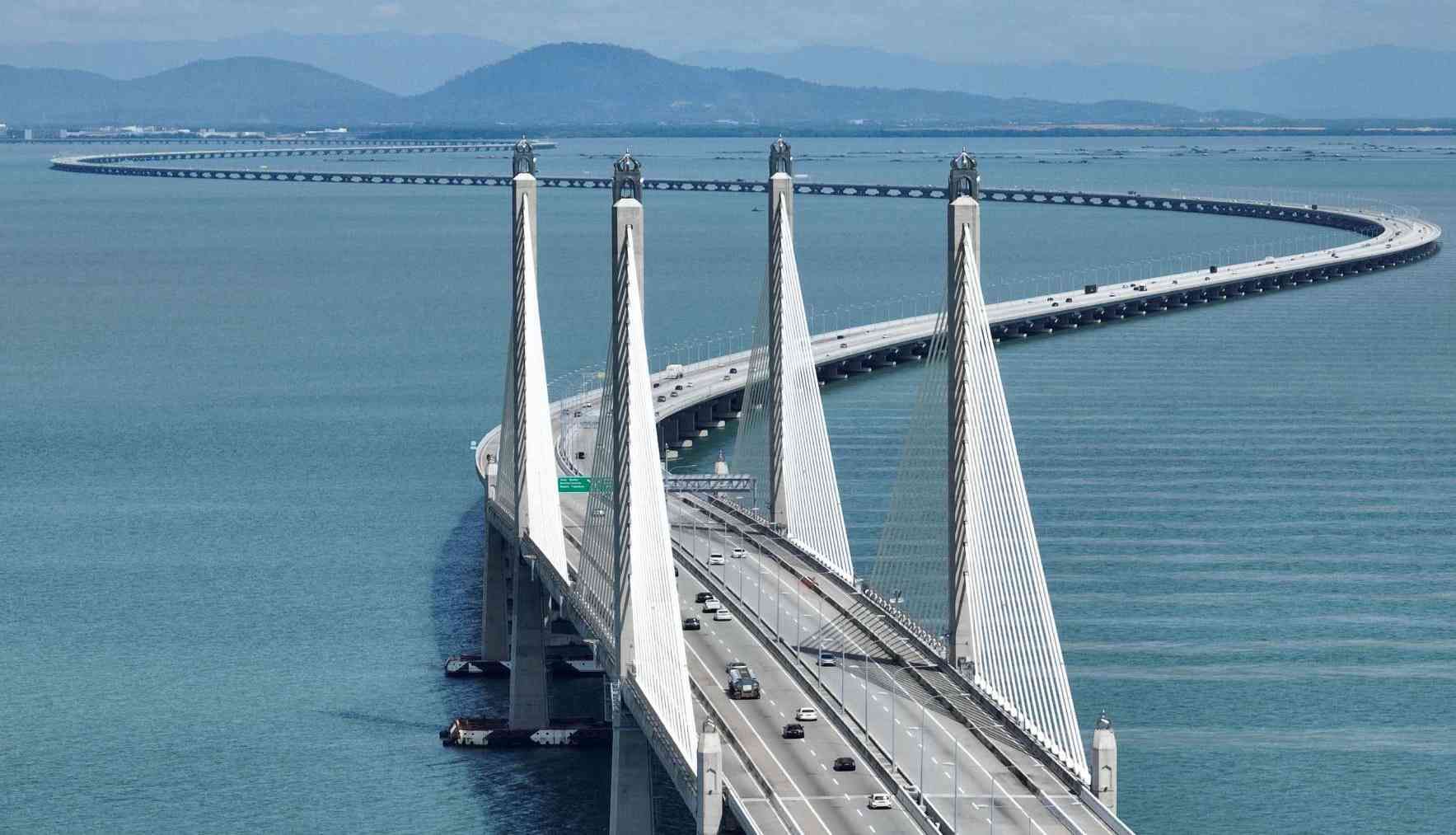
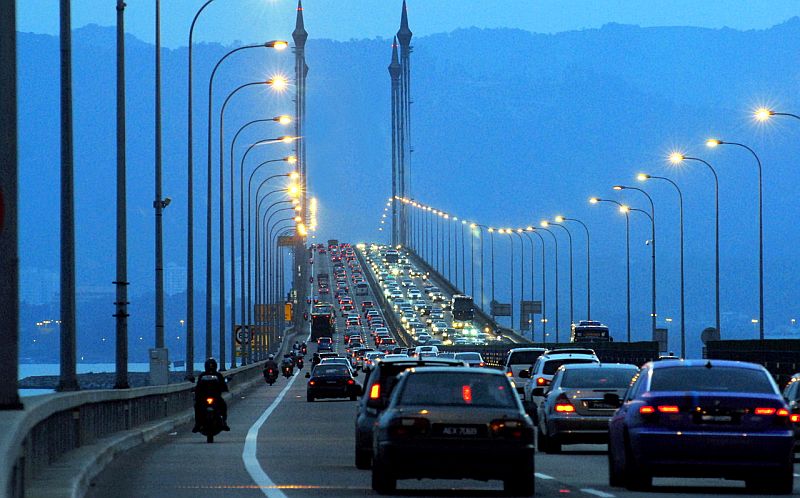
The renewed interest in a bridge option is significant because Penang already relies heavily on two existing links to the mainland – the Penang Bridge, opened in 1985, and the Sultan Abdul Halim Mu’adzam Shah Bridge, better known as the Second Penang Bridge, which opened in 2014. Together, the two crossings handle enormous daily traffic volumes, but congestion remains a persistent issue, particularly during peak commuting periods and holiday seasons.
A third bridge could potentially offer a more straightforward engineering solution compared with an undersea tunnel, which would involve substantial technical, environmental, and maintenance considerations. Large undersea tunnels are enormously expensive to build and maintain, and often require complex ventilation, drainage, and safety systems. The state government is reportedly weighing not only construction costs, but also public mobility needs, long-term economic impact, and maritime considerations involving the Penang Port Commission.
Shipping and marine navigation issues are particularly important in Penang, given the strategic role of the northern shipping channel and the state’s growing logistics sector. Any new fixed crossing – whether bridge or tunnel – must account for port operations and future maritime expansion plans.
Critics of the tunnel project have long questioned whether the immense cost could be justified, especially as Malaysia continues to wrestle with broader fiscal pressures and infrastructure funding constraints. Others argue that Penang’s long-term solution should place greater emphasis on public transportation systems rather than continually expanding road capacity.
Still, few dispute that Penang urgently needs transport improvements. The island’s popularity as both an economic hub and tourism destination has placed immense strain on existing infrastructure, and traffic congestion remains one of the most frequent complaints among residents and visitors alike.
For now, the third bridge remains only a possibility rather than a confirmed project. But the fact that it is once again being seriously discussed suggests Penang’s leaders may be increasingly pragmatic about balancing grand ambition with realistic affordability. In a state where transport megaprojects have often generated more headlines than concrete, that may be a considerable step in the right direction.
Sources: Penang Property Talk, Malay Mail, The Edge Malaysia, Penang State Legislative Assembly proceedings, Penang Transport Master Plan documentation