



One of the joys of retiring in Malaysia is having the time to travel and explore at a leisurely pace. From idyllic islands and historic cities to cool highlands and vibrant Borneo destinations, some of the region’s most rewarding travel experiences might just be in your own backyard.
This post contributed by Peter Brunoehler with additional text by Chad Merchant, and is part 2 in a series.
One of the greatest rewards of retirement is the luxury of time – the ability to slow down, travel unhurriedly, and genuinely appreciate the journey. While lengthy global trips can certainly be unforgettable, some of the best travel adventures are much closer to home. They may be shorter in duration and distance, but they still offer wonderfully rewarding experiences.
In this column, we’ll leave Penang – which I covered in Part One – and begin our journey by heading east to the opposite side of the peninsula:
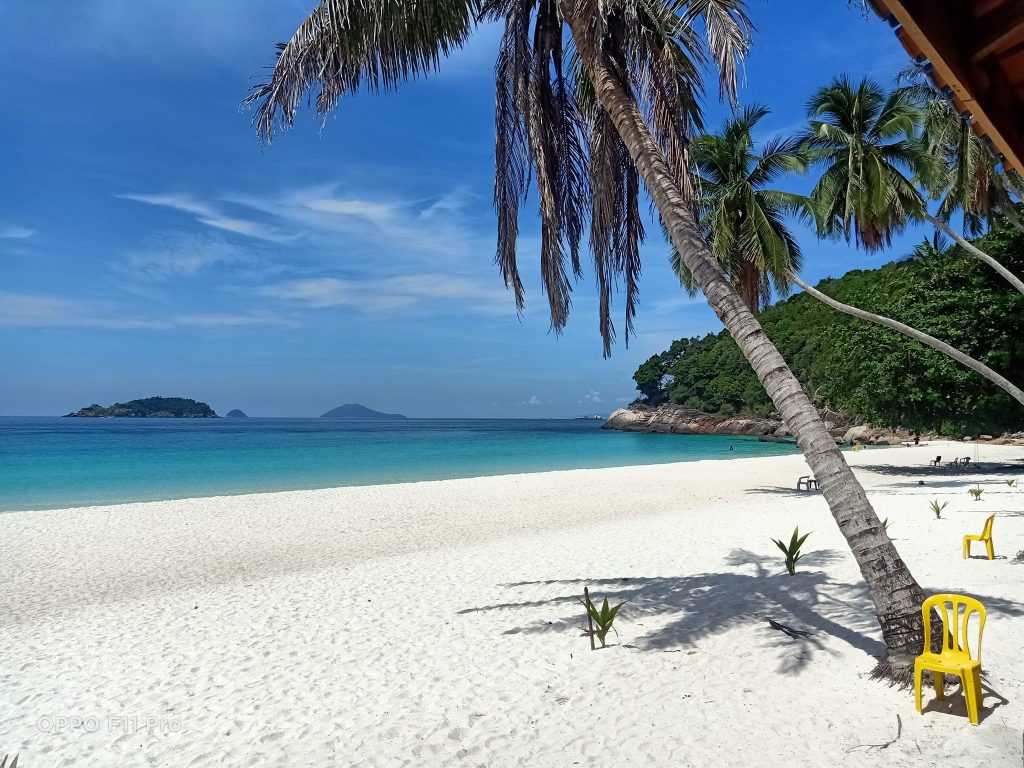
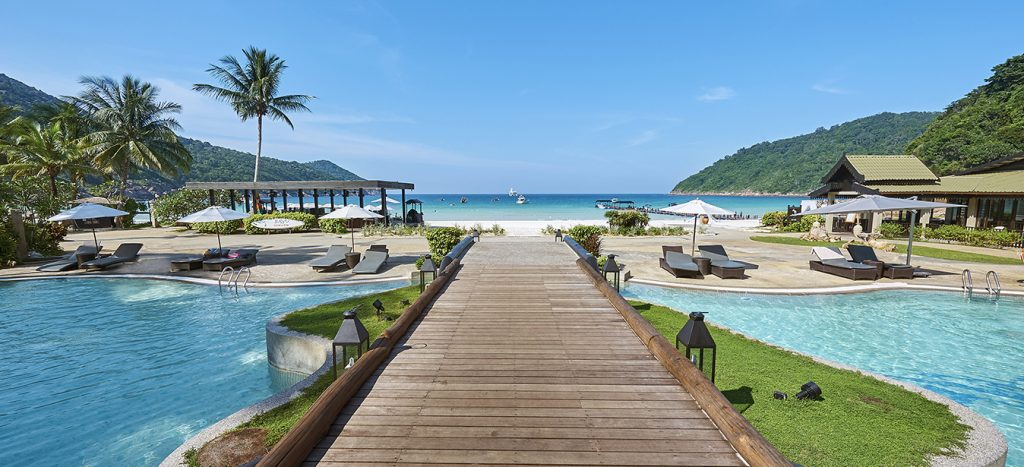
- Pulau Redang: Our most memorable East Coast (offshore) experience began in style with a brief, uncrowded Berjaya Air flight from Subang Airport, followed by a short shuttle ride to The Taaras Beach & Spa Resort. Our accommodations, the beautiful beach, the grounds, and surrounding scenery were all magnificent. We stayed active while there, enjoying fantastic snorkelling just a short boat ride away, as well as kayaking in the pristine waters in front of the resort.
- Terengganu: Further down the coast, arriving this time via a scenic trans-peninsular drive from Penang, Tanjong Jara Resort offered another idyllic seaside experience. Here, we witnessed beautiful sunrises while sipping coffee in our sea-view villa or during an early morning walk on the beach. Afternoons spent reading by the pool were a simple pleasure in this remote and relaxing spot.
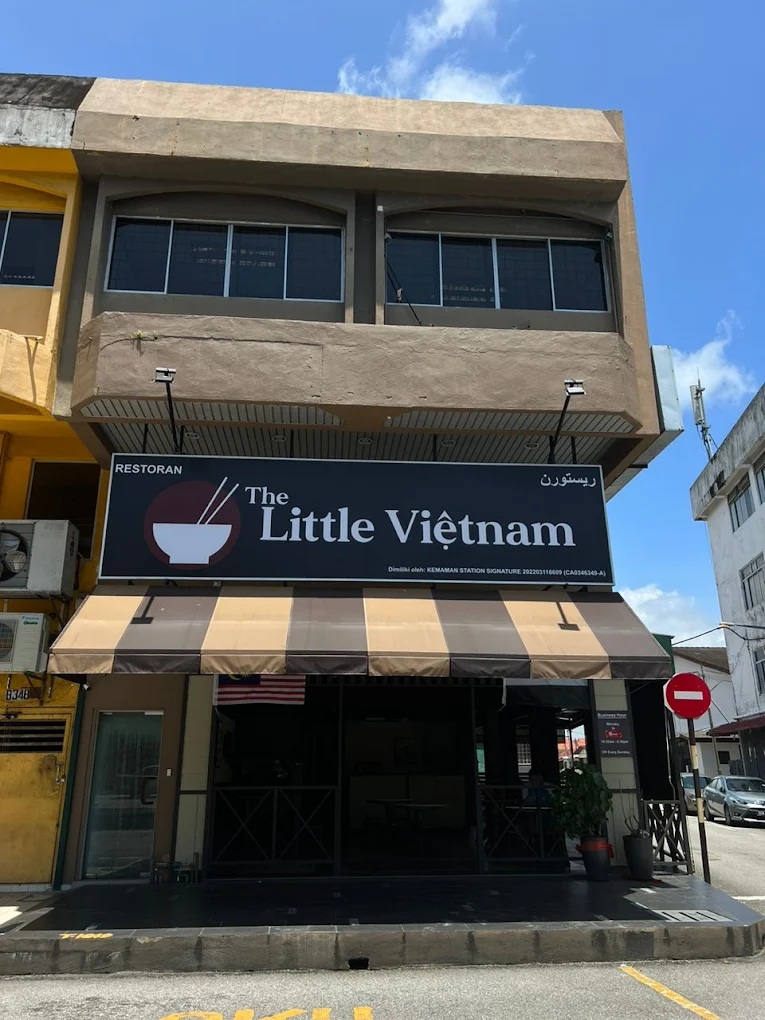
- Kuantan: Continuing south, we thoroughly enjoyed the Hyatt Regency Kuantan Resort on Teluk Cempedak Beach. Interestingly, it’s the only place in Malaysia where I’ve ever witnessed a large crowd of surfers out riding the waves. Mornings began with a spectacular breakfast buffet, enjoying the sun rising directly in front of our table. Nearby Kuantan highlights included the restaurant The Little Vietnam and Cendol Air Putih for delicious, sizeable servings of durian cendol.
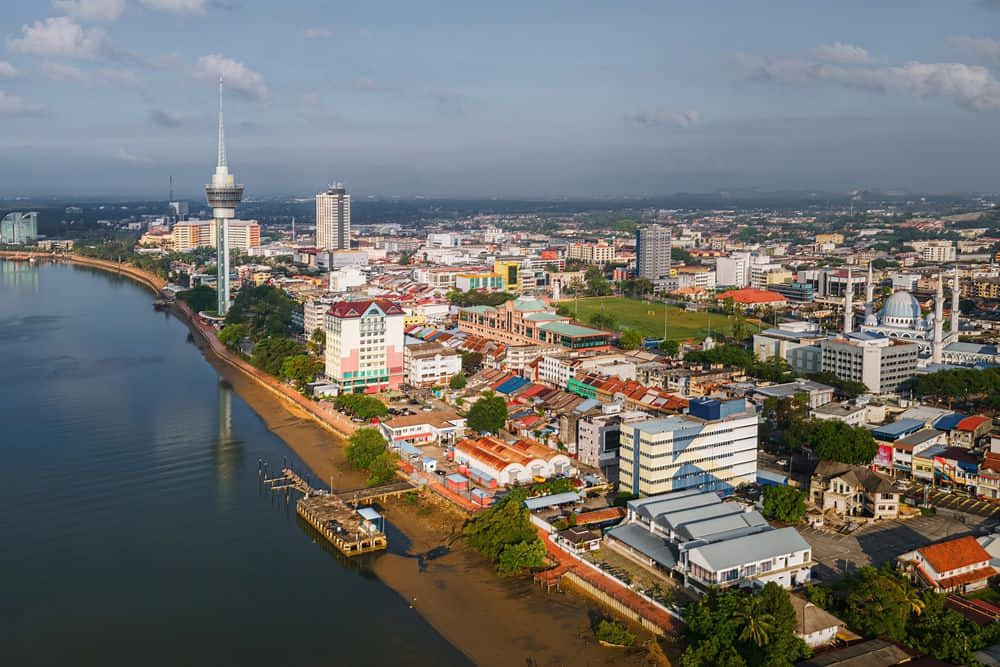
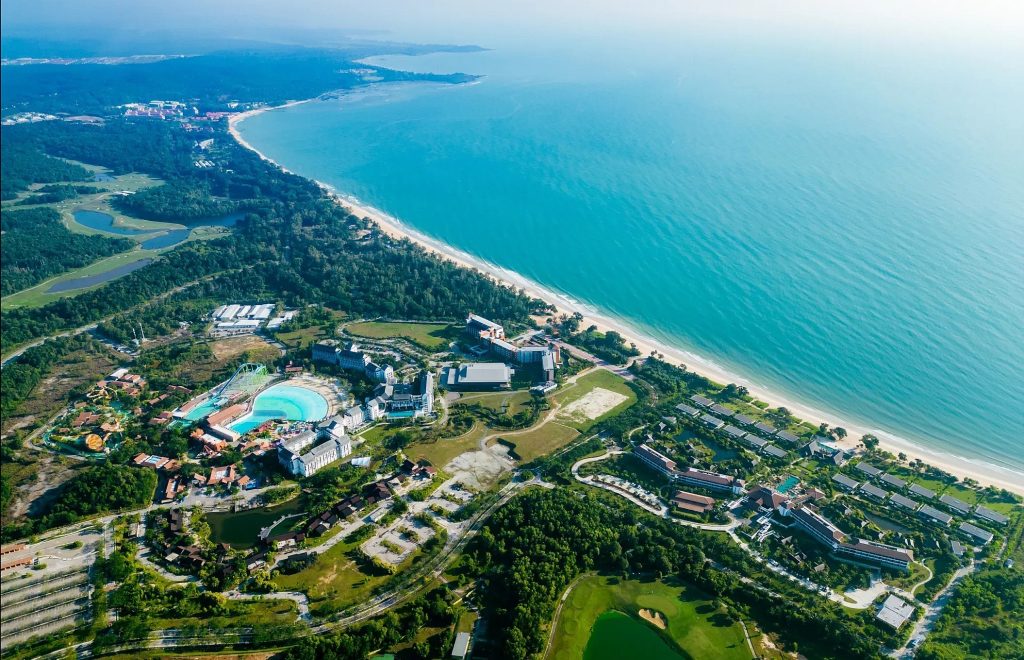
- Desaru Coast: Skirting further south into Johor, The Westin Desaru Coast Resort was another delight. From beachside dining and extensive water sports facilities to the main resort itself, this was a terrific experience. Notably, the white sands and immaculate, wide beach were among the best we’ve experienced anywhere in Malaysia. Another excellent choice here, just steps away, is the Hard Rock Hotel Desaru Coast. This resort is not right on the beach like The Westin, but they do have direct access to the big Adventure Waterpark.
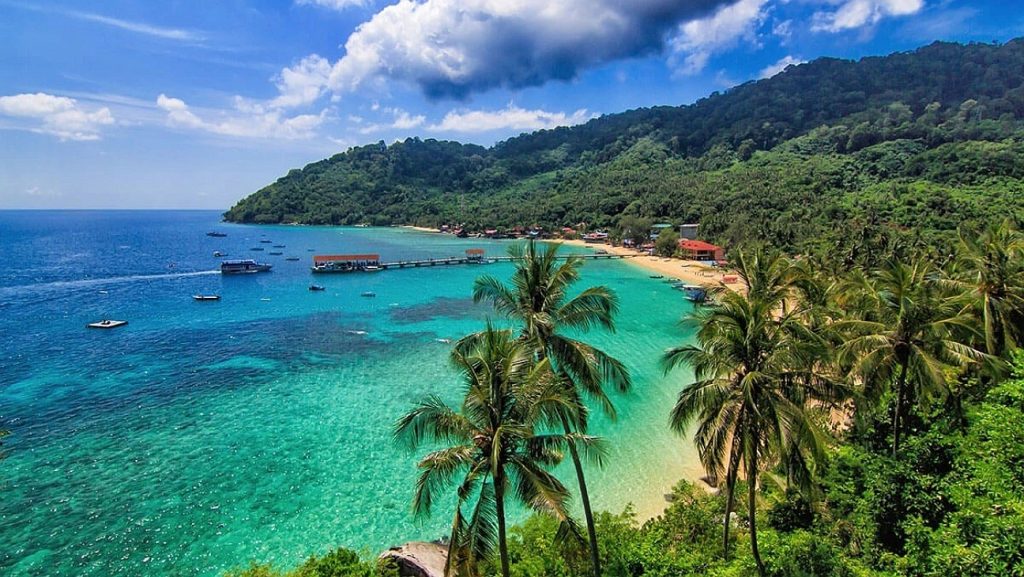
- Pulau Tioman: One of Malaysia’s not-so-hidden gems. Tioman isn’t a secret, nor is it unknown… but it’s certainly not as heavily visited as some of the country’s other islands (except perhaps on certain days where cruise ships from Singapore disgorge their passengers onto the island for a short day-trip port call). Seemingly trapped in a time warp, Tioman is beautifully forested and quite hilly in its interior, with very little development overall. Like Langkawi, Tioman is a duty-free island, but prices are higher here than on the far more visited Langkawi. A handful of resorts and homestays catering to a range of budgets dot parts of the coast, and the waters around the island are usually crystal clear, making the destination a popular one for diving and snorkelling. Tioman Island is most easily accessible these days via speedboat from Mersing.
Heading back across to the western side of the peninsula:
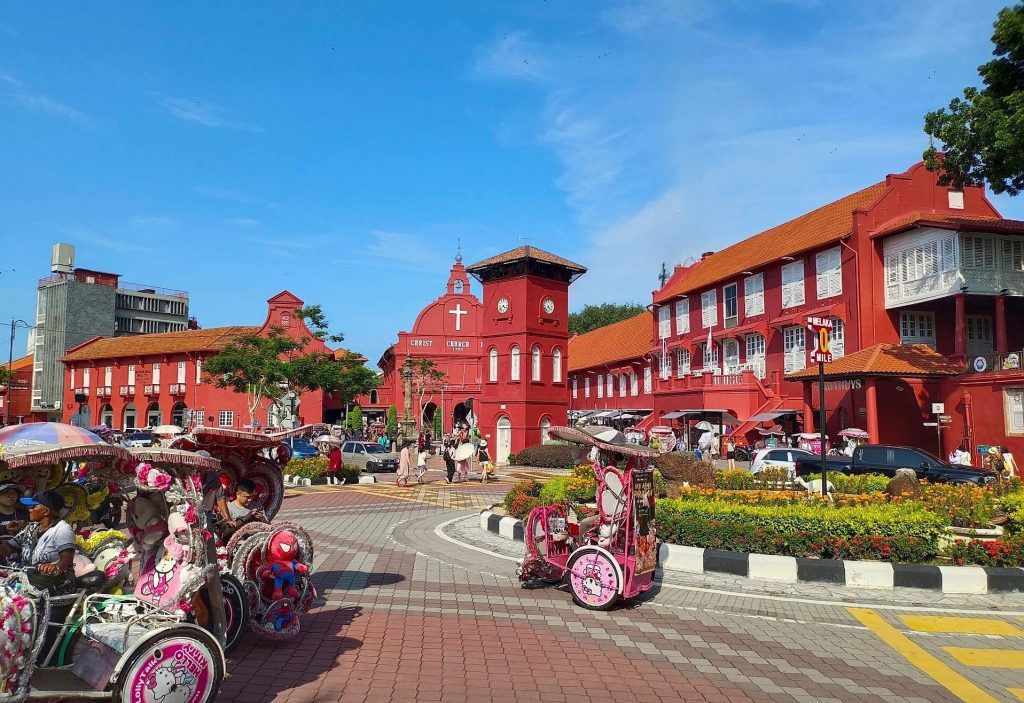
- Malacca (officially spelled Melaka): Well known for history and food, Malacca did not disappoint. The colourful and historic Christ Church Melaka (built in 1753), the Stadthuys Museum next door, the scenic murals of the Malacca Riverwalk, and the famous A Famosa Fort provided plenty of historical immersion, while Jonker Walk offered endless culinary options. Several times while there, we enjoyed tauhu bakar, featuring crispy tofu paired with fresh cucumber, bean sprouts, and turnip, tossed in a thick, sweet-savoury, spicy peanut sauce. The Klebang Original Coconut Shake was also a highly recommended stop for a deliciously cooling treat. If you want a less-crowded option while here, forego the more famous spots noted above, and check out the Portuguese Settlement or the delightful Kampung Morten along the Malacca River.
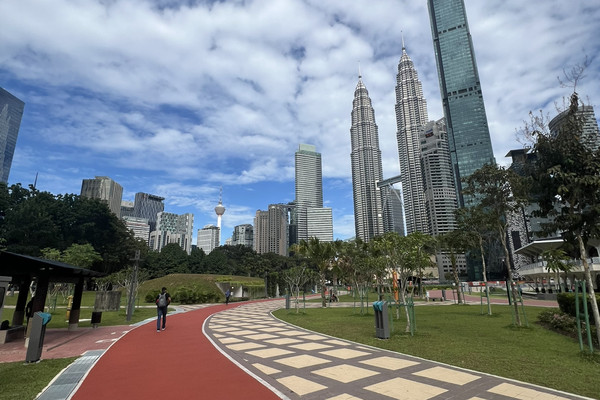
- Kuala Lumpur: Moving north to Kuala Lumpur, a morning stroll alongside fellow early risers and joggers around KLCC Park has always been a favourite activity. The city view at sunrise is awesome, and the pathways are first-rate for walking. Several excellent outdoor spots sit conveniently nearby for that first coffee and bite of the day. When staying in that area, we prefer Traders Hotel Kuala Lumpur – a fine hotel made superb by its rooftop SkyBar, where it feels like you can almost touch the Petronas Twin Towers, and the air-conditioned walkway connected to KLCC. Visiting the towers is a must, and the guided tour featuring the Sky Bridge and Observation Deck is highly recommended. While the Klang Valley has numerous attractive shopping centres, Suria KLCC is always a favourite. Short distances away, the National Museum of Malaysia, Petaling Street, and Central Market have consistently impressed and educated overseas visitors. For dining, it’s hard to beat the KLCC vicinity for everything from tasty local fare to world-class steakhouses.
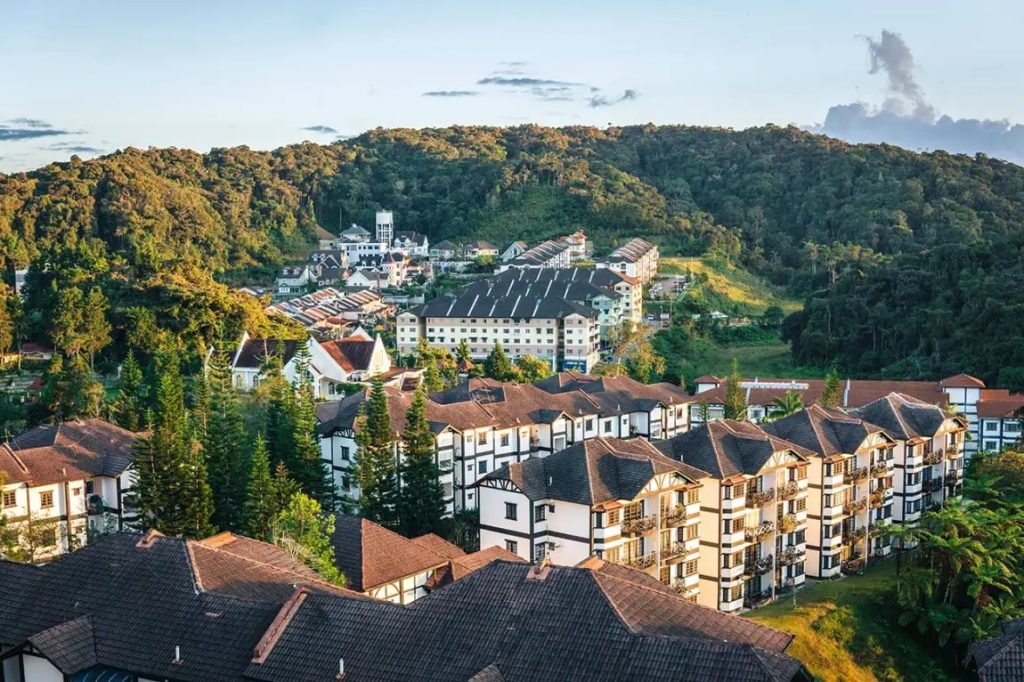
- The Highlands: Pushing northward and upward for cooler days and nights, we’ve enjoyed numerous trips to the Cameron Highlands, including high tea with a view at Cameron Highlands Resort, and Genting Highlands. There, we prefer staying a bit away from the crowds at Resorts World Awana, which is located in a 130-million-year-old rainforest and features its own golf course. For a much less-crowded highlands experience, heading to Fraser’s Hill is recommended, with the newly renovated Wyndham Garden being a solid choice for accommodation.
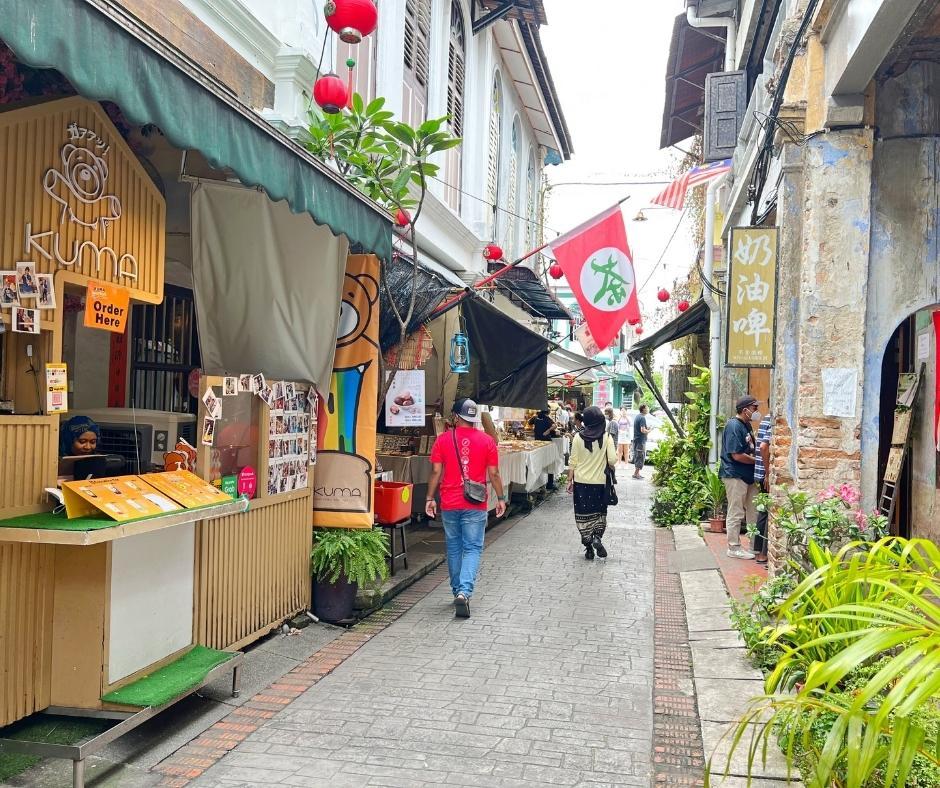
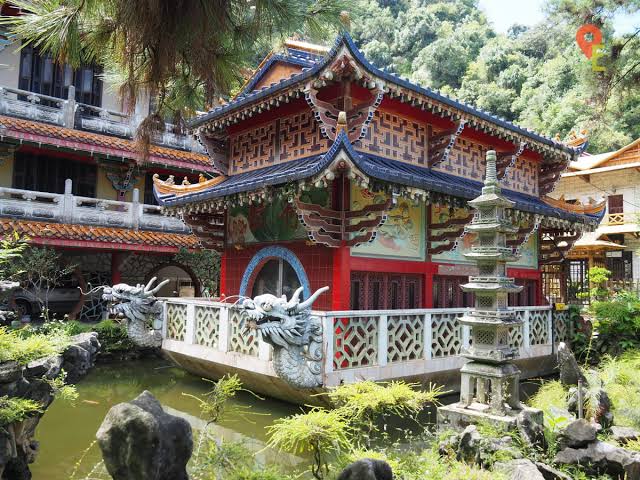
- Ipoh: The caves around Ipoh were a major highlight. While our favourite, Kek Lok Tong Cave Temple, is temporarily closed at the time of this writing, nearby Sam Poh Tong is a solid alternative, as is Nam Thean Tong Temple. The historically named Concubine Lane in Old Town offered a cool vibe and was an enjoyable way to peruse local knick-knacks, colonial architecture, and murals. The lane (and indeed all of Ipoh’s charming Old Town area) also offers numerous food and beverage options.
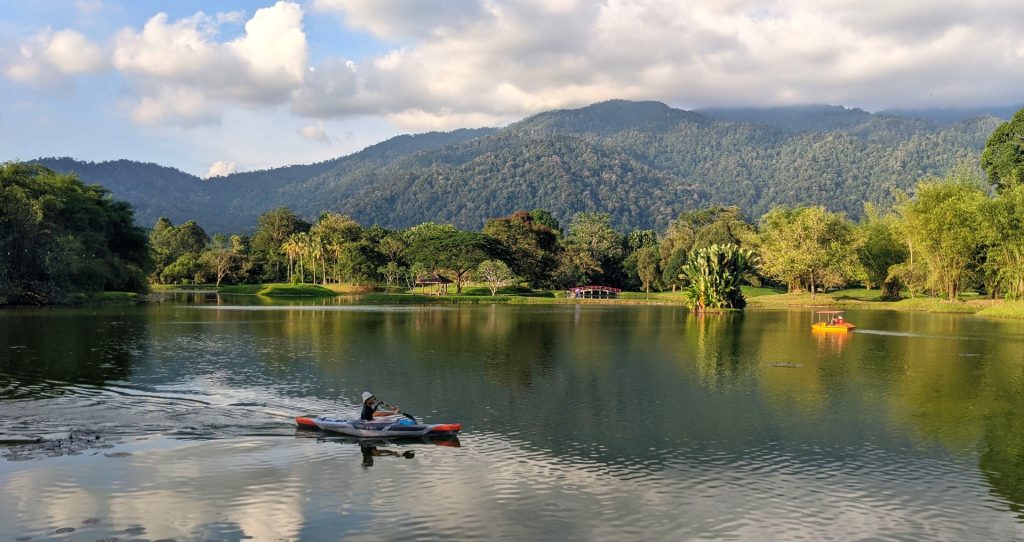
- Taiping: We thoroughly enjoyed the beauty and atmosphere of the Taiping Lake Gardens during our morning and evening walks. The majestic, century-old rain trees were planted during the British colonial era in the late 1800s and are renowned for their massive, low-hanging branches that arch gracefully over the water’s edge. Taiping is famously the wettest town in Peninsular Malaysia, so carrying an umbrella even under a clear sky was part of the local experience! The modest but informative Perak Museum was another interesting nearby stop. If you’re staying overnight, the modern Novotel Taiping is a stone’s throw from the Lake Gardens and offers lovely views of the town from its upper floors.
- Bukit Merah: North of Taiping, we’ve taken numerous visitors on the short boat ride to visit Bukit Merah Orang Utan Island. One cannot help but be impressed by the orangutans, and the enthusiastic guides seem to genuinely enjoy their work and their furry companions. Watching feeding time is always a highlight.
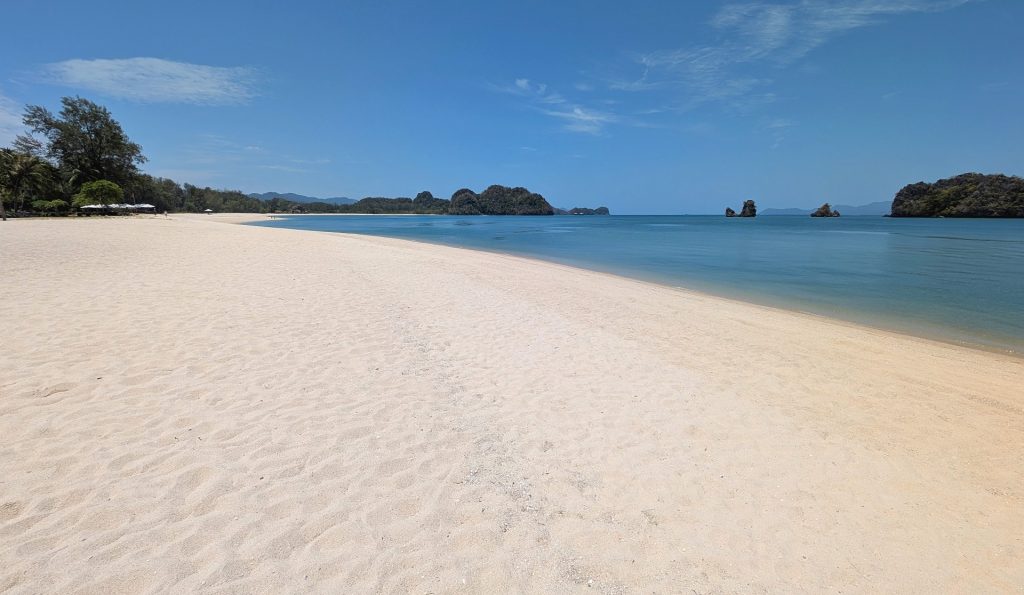
- Langkawi: While this island offers world-class accommodations and dining options, regularly covered on this site, I’ll highlight a simple but lasting image I formed there. Sitting seaside at Tanjung Rhu – with its beautiful white sand beach, swaying trees, quiet surroundings, and tremendous views of the nearby islands amid the turquoise waters of the Andaman Sea – was the absolute epitome of a tropical setting. This stretch along Langkawi’s northern coast has gorgeous beaches which are publicly accessible, as well as those more easily reached via their seaside resorts, namely Four Seasons Langkawi and Tanjung Rhu Resort (which we’ve heard is to be renovated, expanded, and possibly rebranded in the near future). Watching the crystal-clear azure waters lazily lap onto those white sands as we relaxed beneath majestic palm trees and casuarina trees, made us realize island life doesn’t get much better than this!
Crossing the South China Sea to Borneo, no tour of Malaysia is complete without visiting East Malaysia:
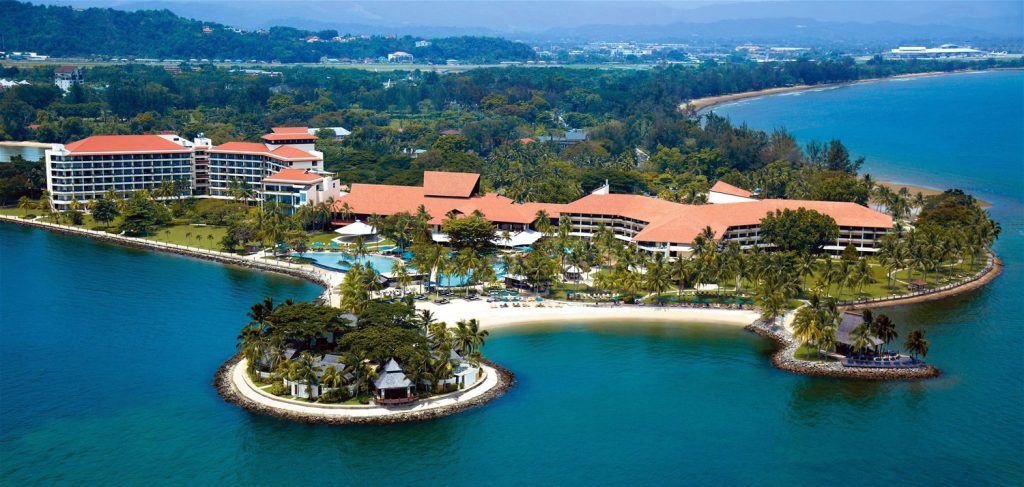
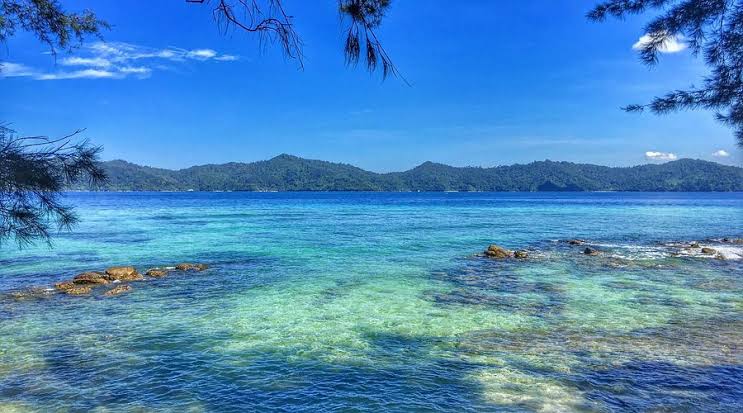
- Sabah: In Kota Kinabalu (or KK), the stunning yet convenient Shangri-La Tanjung Aru provided instant island vibes despite being just 10 minutes from the airport. We enjoyed breathtaking views while relaxing at the aptly named Sunset Bar. The magnificent waterfront hotel grounds, numerous pools, and an incredible breakfast spread added to the experience. The onsite Star Marina provided access to a short boat ride to the nearby Tunku Abdul Rahman Marine Park – a protected 50-sq km area that’s home to five islands – where numerous activities awaited. A half-day trip to Manukan Island (in the marine park) is a real treat, and can also be accessed from KK’s Jesselton Point. One unfortunate note here is that the marine conservation/entrance fee payable at the marine park features two-tier pricing, with non-Malaysians paying about triple what Malaysians pay. Slightly further away, adventurous visitors can enjoy white-water rafting near Mt Kinabalu, whose iconic peak is a memorable sight when flying in and out of Kota Kinabalu International Airport.
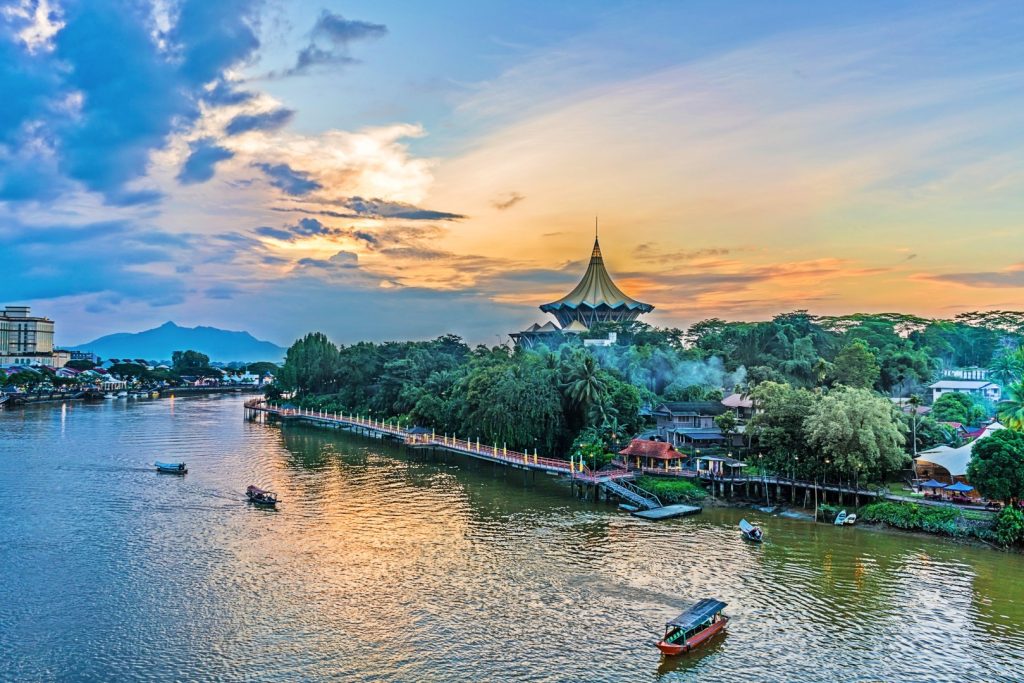
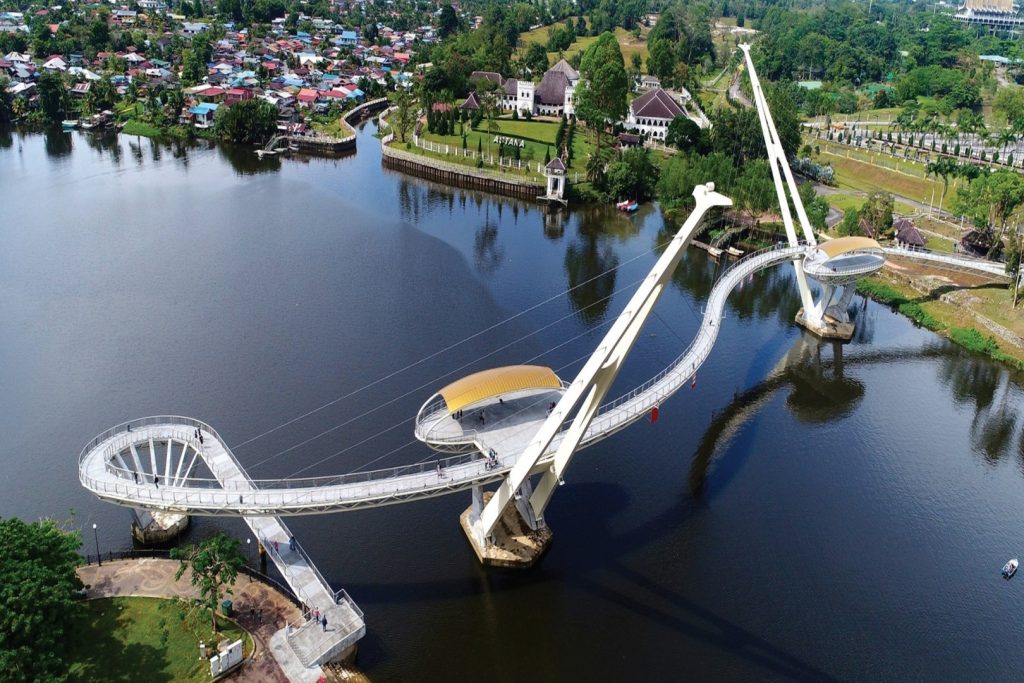
- Sarawak: There are several worthwhile destinations in Malaysia’s largest state, but it all usually begins in Kuching. Here, we highly recommend the Hilton Kuching, which was significantly refurbished in 2025, and is conveniently walkable to the nearby riverfront hustle and bustle. (Other international-standard hotels in the immediate vicinity include the Pullman – currently in the later phases of its own major refurb – and the newer Sheraton Kuching, which had its grand opening in early 2024.) Good food and cold beer started memorable evenings at the quirky James Brooke Bistro & Café, followed by a relaxing evening Sarawak River Cruise. Our mornings there began with walks over the futuristic Darul Hana Bridge, allowing us to explore both sides of the river seamlessly. Once on the opposite bank, The Brooke Gallery at Fort Margherita was an excellent stop to learn more about local and state history.
Please continue to join me here at expatgo.com where, over the coming months, I’ll address more retirement issues in this series of “Retiring in Malaysia” columns.
Originally hailing from the United States, Peter Brunoehler is a retired expat who has lived in Asia for over 30 years, with about half of that time in Malaysia. Prior to retirement in Penang, he worked in Hong Kong, Singapore, and Kuala Lumpur, holding numerous executive roles in a variety of multinational corporations.
To learn more about the Malaysia My Second Home (MM2H) programme, visit mm2h.com, also under ExpatGo’s parent company, TEG Media.