



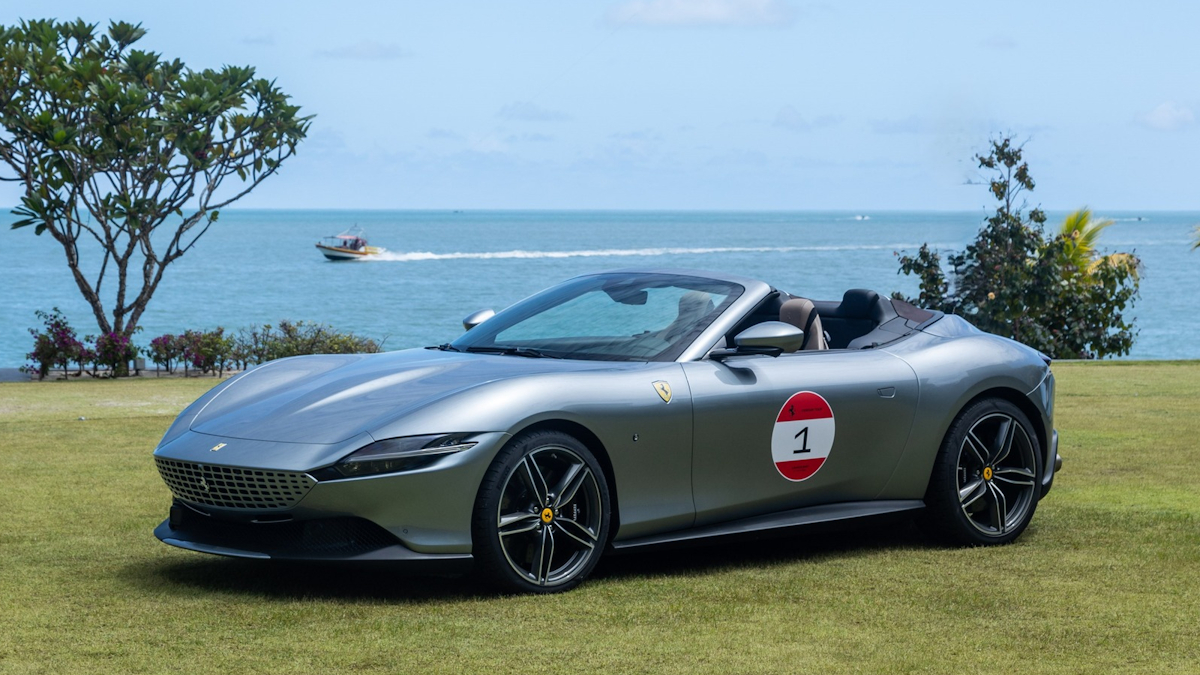
The removal of duty-free status for luxury vehicles valued above RM300,000 has crippled a niche but influential corner of Langkawi’s tourism economy. While the policy aims to curb tax abuse, businesses say its effects are being felt far beyond supercar showrooms.
For decades, Langkawi’s duty-free status offered more than just savings on chocolates, alcohol, and cigarettes. It also created one of Malaysia’s most unusual luxury niches – a destination where affluent buyers could purchase, store, and enjoy high-end performance cars while combining business with leisure.
That chapter has now largely come to an end.
Under Budget 2026, the Malaysian government removed duty exemptions for vehicles valued above RM300,000 in both Langkawi and Labuan, bringing an end to a long-standing incentive that had attracted wealthy automotive enthusiasts from not just Malaysia, but around the region.
While the move was designed to close loopholes and prevent abuse of the tax system, businesses across Langkawi say the economic consequences of the blanket decision have extended well beyond the supercar industry itself.
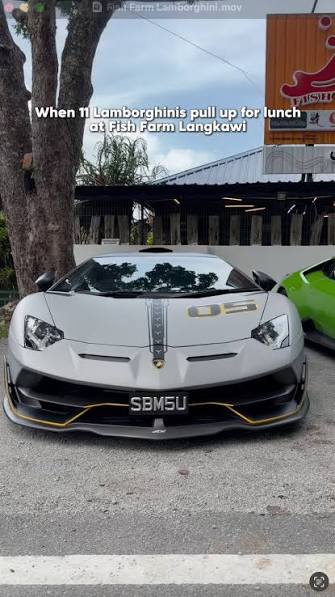
Hotels, restaurants, vehicle transporters, specialist workshops, and tourism operators all report that the disappearance of this small but high-spending visitor segment has been swift and noticeable.
“Supercar lovers used to book hotel rooms as a group, dine out, and go on joyrides around the island,” said Mohamad Azhar Mohd Jamil, a veteran of Langkawi’s supercar sales and servicing industry. It took only a few months for islanders to feel the loss of the small but wealthy group of regular visitors.
“Their cars just sit in our garages now,” he added. “The owners seem to have lost interest in coming, and it affects everyone from hotels to small tourist attraction operators.”
Although duty-free privileges remain for new and used vehicles priced below RM300,000, the market for higher-end marques has effectively disappeared. Supercars such as Ferrari, Lamborghini, and Porsche that previously benefited from the exemption have seen their effective purchase prices roughly double, with some models now costing RM5 million or more.
Adding to the industry’s challenges, dealers are no longer even permitted to display qualifying vehicles in traditional retail showrooms.
“We used to rent shop lots in prime locations for the rich to drop by and view the cars,” Azhar explained. “Now we can’t, and there are not many businesses with the margins to take over those vacant shops.
“Potential buyers are not keen on coming to garages on the outskirts to view cars.”
A NICHE MARKET WITH WIDER ECONOMIC IMPACT
Once again, an apparently rushed or poorly thought-out policy change was made, largely without involving industry players, and as is so often the case, leading to the law of unintended consequences making an unwelcome appearance. Although the number of supercar owners visiting Langkawi was relatively small, industry players say their spending power created “downstream” benefits that extended throughout the island’s economy.
Holiday Villa Beach Resort & Spa Langkawi Sales and Marketing Director Norsidah Ahmad said the hotel had yet to fully quantify the loss, but the absence of this clientele was already most definitely being felt. She noted that Langkawi had long attracted affluent travellers, luxury car enthusiasts, and owners’ clubs, many of whom combined vehicle purchases with extended holidays.
“Without the duty-free status on supercars, opportunities to host automotive club events that generate hotel room nights may be declining,” she said.
While these visitors generally kept a low profile, they tended to spend generously on accommodation, dining, entertainment, and other tourism activities.
The impact has perhaps been felt most acutely among businesses servicing the vehicles themselves.
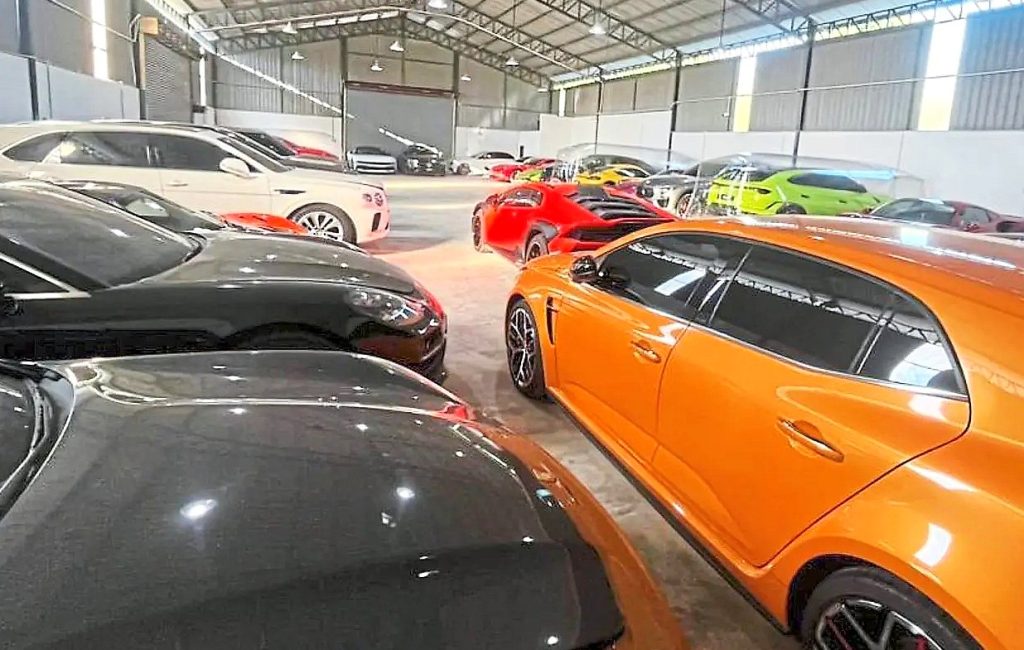
Industry veteran Ong Seng Aun, who specializes in storing and maintaining luxury vehicles, said business declined almost immediately following the policy change, noting a stark and sobering analysis: “We have lost more than 50 percent of our income,” he said.
Ong previously managed storage for as many as 300 luxury vehicles. Today, that number has fallen to fewer than 100. “Many owners have taken back their cars,” he explained.
Ong, who has more than two decades of experience in the industry, said the slowdown has spread throughout the automotive support sector. Related businesses involved in specialist maintenance, detailing, logistics, and vehicle transport have all suffered, with many skilled workers forced to seek employment elsewhere.
The effects are equally evident among independent transport operators. Self-employed vehicle transporter Mohd Salleh Mohamad said the loss of business has made it increasingly difficult to remain financially viable.
He previously completed between 10 and 15 vehicle transport trips each month.
“Now I am lucky if I get two trips a month,” he said. “I need at least RM5,000 monthly just to cover my lorry’s instalments and maintenance. It’s so hard now to keep my business going.”
Fellow transport operators Mohamad Syafiq Mohamad Fadzli and Muhamad Subri Mohd Shafie also reported a sharp decline in work since the policy came into effect, making it increasingly difficult to support their families and meet ongoing loan repayments.
INDUSTRY SEEKS A MIDDLE GROUND
Despite the challenges, industry representatives are not calling for an unconditional return to the previous system. Instead, many believe the government could tighten enforcement while still preserving much of the economic activity the incentive generated.
Kedah Chamber of Commerce and Industry committee member Edison Ooi has proposed several measures that he believes would address previous abuses without eliminating the programme altogether.
One suggestion is to increase the bank guarantee required before duty-free vehicles are permitted onto the mainland, giving the Royal Malaysian Customs Department greater financial protection if owners fail to return them to Langkawi within the permitted period.
Under existing rules, vehicles imported duty-free into Langkawi may be used on the Malaysian mainland for up to 90 days each year.
Ooi also suggested revising the duty payment formula to discourage owners from delaying permanent registration on the mainland. Previously, some buyers purchased expensive vehicles in Langkawi, kept them on the island for several years while their market value depreciated, and only later transferred them permanently to the mainland as used vehicles, thereby paying significantly lower import duties.
He believes reforms could eliminate this practice without dismantling the broader ecosystem.
“The industry is prepared to work closely with the government while ensuring businesses and their workers can continue to earn a living,” he said.
Among the proposals being discussed is closer cooperation between Customs and industry groups to monitor how long duty-free vehicles remain on the mainland and identify those exceeding the permitted 90-day limit. Whether the government will revisit the policy remains uncertain, and no official statements have been made at this time.
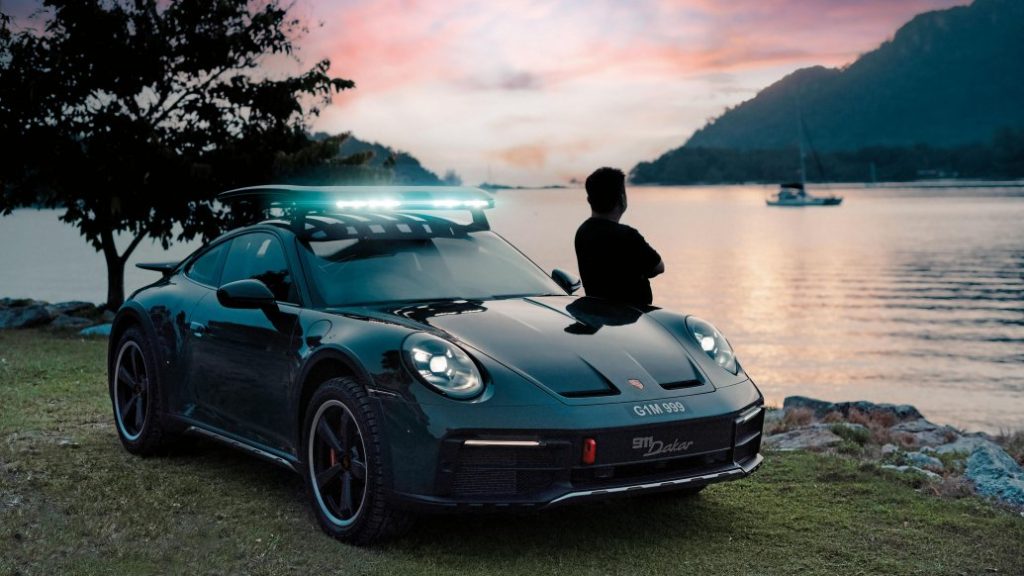
For now, businesses acknowledge the need to protect tax revenues while expressing hope that a more balanced approach can be found. Langkawi’s supercar community may have represented only a small slice of the island’s tourism market, they argue, but its influence extended far beyond the showroom floor.
Now, as upscale restaurants become quieter, hotel bookings soften, specialist workshops empty, and premium retail lots remain vacant, many on the island stress that the real value of the former incentive lay not simply in selling expensive cars, but in supporting a wider network of Langkawi businesses that reaped the benefits whenever the affluent owners of those cars came to visit.
Sources: The Star, The New Straits Times, Porsche Newsroom