


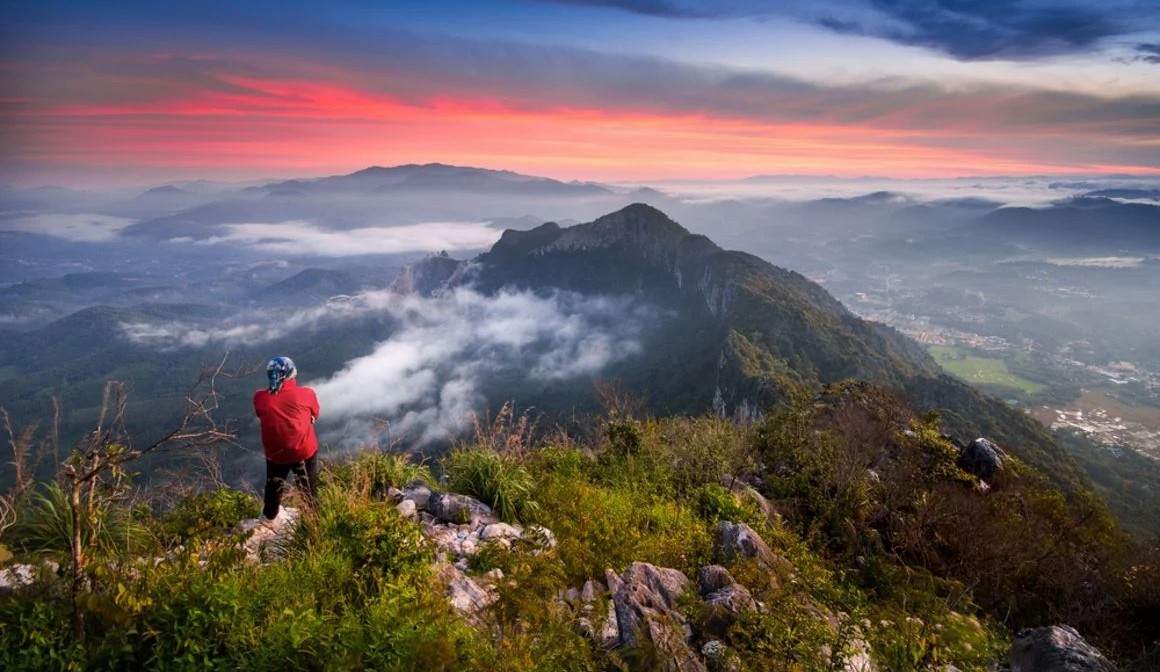
Proving once again that social media has a knack for taking perfectly good things and spoiling them, Malaysia is cracking down and tightening hiking regulations after a surge in search and rescue operations linked to influencer-driven outdoor trends.
Hiking has never been more popular in Malaysia. From the cool forests of Fraser’s Hill to the granite peaks of Mount Kinabalu and countless scenic trails in between, the country’s rich natural landscapes have long attracted outdoor enthusiasts looking to escape the city and reconnect with nature.
Increasingly, however, the focus appears to be shifting from appreciating the journey to capturing the perfect Instagram Reel or TikTok clip. It seems social media influencers decided that it was no longer good enough to ruin travel; now they’re moving on to locally based hobbies and pursuits, as well.
Concerned by a growing number of rescue operations involving hikers who became lost, stranded, or find themselves seriously ill-prepared for challenging terrain, the government is introducing tougher nationwide measures aimed at improving safety and curbing dangerous trends being driven by social media. Officials say the changes are necessary after the number of reported lost-hiker incidents rose to 52 during the first five months of 2026, almost 30% higher than during the same period last year.
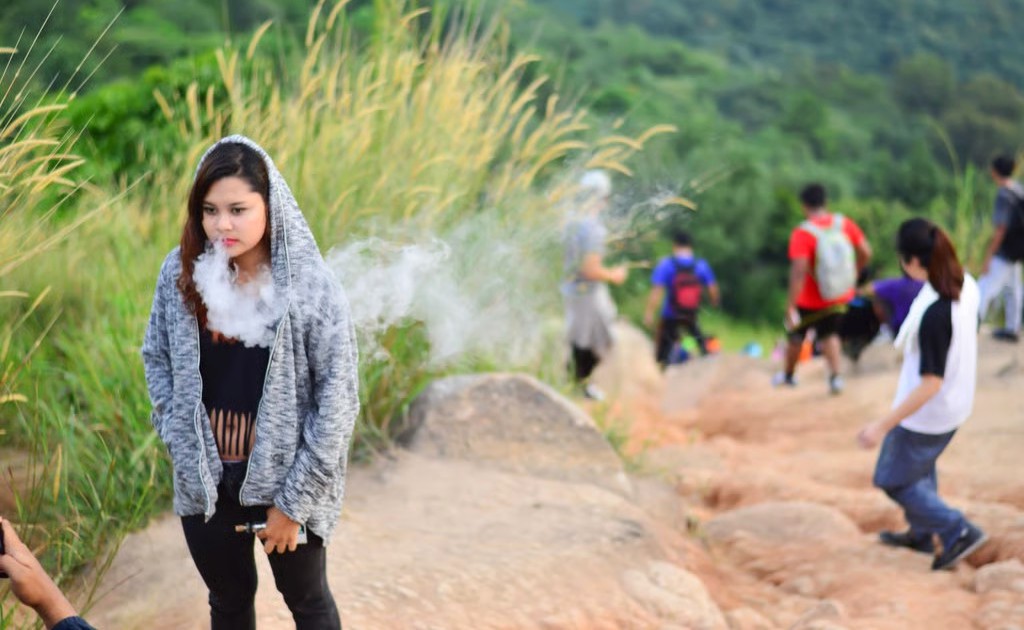
SOCIAL MEDIA MEETS THE GREAT OUTDOORS
Much of the concern centres on the influence of social media, where hiking has evolved from an outdoor pastime into something of a competitive pursuit. Popular hashtags and influencer accounts often celebrate ever more ambitious challenges, encouraging followers to complete multiple summits in rapid succession or tackle demanding mountain routes in remarkably short periods.
One trend attracting particular scrutiny is the rise of so-called “compressed hikes.” Rather than completing a difficult trek over two or three days, as originally intended, participants attempt to finish the entire route in a single push. Others pursue “peak bagging,” racing to tick as many summits as possible off a growing checklist.
Neither activity is inherently unsafe when undertaken by experienced, well-prepared hikers. The problem arises when less experienced participants, inspired by carefully edited social media posts, attempt to replicate these achievements without the necessary fitness, equipment, navigation skills, or understanding of mountain conditions.
Certified forestry mountain guide Norimah Abd Karim has previously warned that some hikers are even carrying less equipment simply to resemble professional trail runners in their online content, prioritising appearance over safety. She said some are so focused on producing eye-catching content that they are willing to take unnecessary risks.
The phenomenon is hardly unique to Malaysia. Around the world, park authorities have reported visitors leaving marked trails for snapping photographs, attempting to reach dangerous viewpoints, or chasing viral content in environments where a simple mistake can quickly become life-threatening.
SAFETY TAKES PRIORITY
Malaysia’s response is one of its most comprehensive yet. The government will require certified guides at 189 high-risk hiking locations, strengthen pre-climb screening procedures, and introduce additional safety requirements including health declarations, medical history checks, and insurance coverage.
Perhaps the most significant change is the move against compressed hiking activities. Deputy Minister of Natural Resources and Environmental Sustainability Syed Ibrahim Syed Noh has confirmed that such activities are being prohibited at many high-risk mountain locations because hikers attempting to complete demanding routes too quickly are placing themselves – and by extension, rescuers – at greater risk.
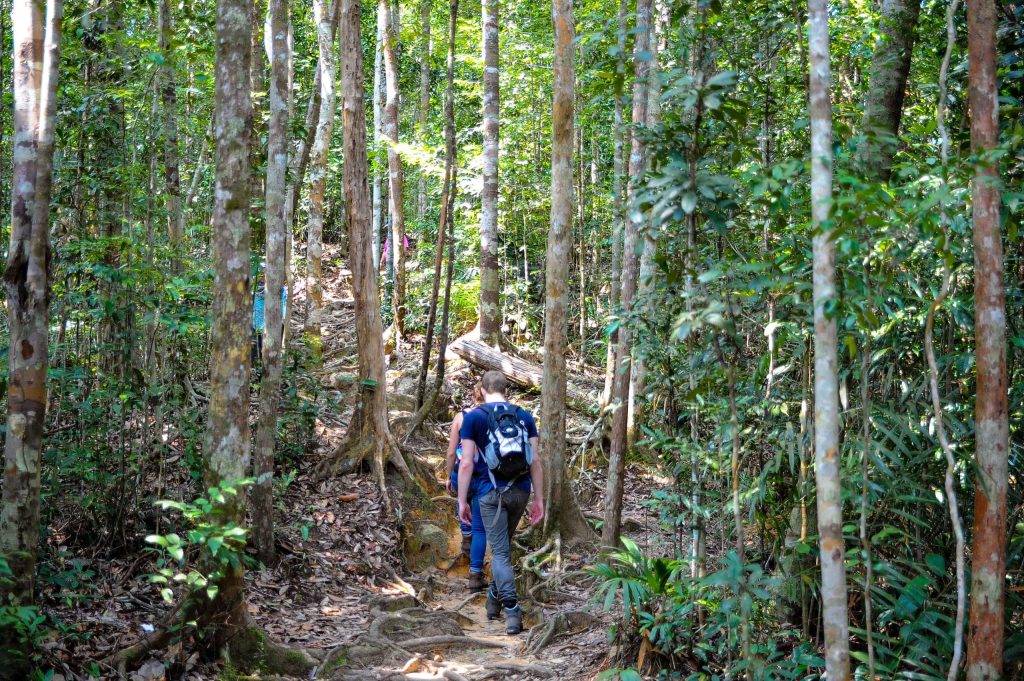
Several states have already begun implementing their own measures. Selangor, for example, has suspended applications for both compressed hiking and trans-hiking activities in its Permanent Reserved Forests while reviewing safety procedures, while Perak has imposed restrictions on similar activities along selected mountain routes.
The government’s reasoning is straightforward and easy to get behind. Every search and rescue operation demands considerable manpower, specialist equipment, and public resources, often placing emergency personnel in hazardous conditions to locate hikers who may have underestimated the challenges ahead. Reducing preventable incidents ultimately benefits everyone involved.
Fortunately, the solution does not require abandoning hiking altogether. Malaysia remains home to some of Southeast Asia’s finest trekking opportunities, and outdoor recreation continues to offer enormous physical and mental health benefits. What authorities are encouraging is a return to sensible preparation: choosing routes appropriate to one’s experience, carrying adequate equipment, respecting weather conditions, and remembering that nature can be capricious – and is indifferent to follower counts or social media likes.
The best hiking stories are still the ones that end safely at the trailhead. The photographs and social media posts can always come afterwards.
Sources: The Guardian; Bernama; New Straits Times; Selangor Forestry Department.