

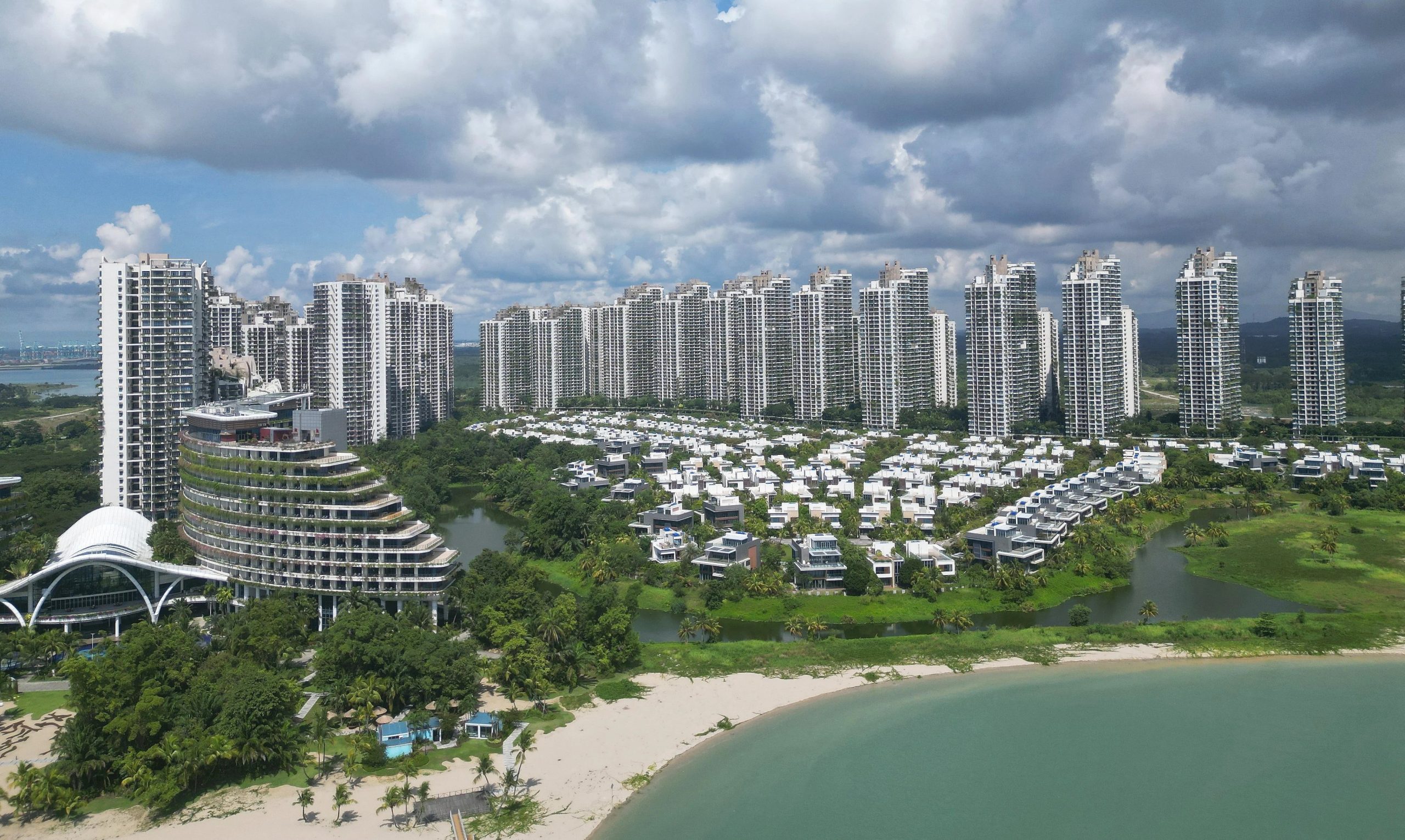
For many who are thinking seriously about retirement, the biggest improvement may not come from another financial product, but from a different place altogether. A recent list highlights seven countries where lower living costs meet a higher day-to-day quality of life — with Malaysia standing out as one of the most compelling options of all.
A growing number of people are discovering that the most powerful retirement upgrade is not a new investment product, but a new place to live. Curated originally for a US audience by VegOut Magazine, this list reflects choices that also resonate strongly with other Western retirees seeking affordability, comfort, and quality of life abroad.
Retirement planning has a strange way of pretending it is purely mathematical. On paper, it looks like spreadsheets, percentages, and neat projections. In real life, it feels far more human. It is about security, independence, health, and that quiet moment at 2 a.m. when the question surfaces again: what if I live much longer than I planned?
For a growing number of retirees, the answer has less to do with squeezing another percentage point out of a portfolio and more to do with geography. In countries where the cost of living runs 35% to 60% lower than in the United States, retirement savings can stretch dramatically further. Just as importantly, many of these places offer lifestyle benefits that are difficult to price but easy to feel – walkable neighbourhoods, better food access, stronger community ties, and healthcare systems that do not induce anxiety the moment a bill arrives.
The seven countries below are grouped informally into three broad regions – Europe, Central America, and Asia. Each offers a different version of the same promise: limited compromises, lower costs, and a better alignment between daily life and long-term wellbeing.
- PORTUGAL – WALKABLE LIVING AND CALM ROUTINES
Europe

Portugal has become a standout choice for retirees who value simplicity over scale. Daily life here is structured around small routines rather than constant logistics. Cafés are walkable, markets are local, and many towns are designed for living rather than commuting.
From a cost perspective, Portugal generally comes in well below US averages, particularly outside Lisbon and Porto. The more meaningful advantage, however, is psychological. Smaller apartments, smaller towns, and fewer daily decisions translate into less mental fatigue. Life becomes less about optimisation and more about presence.
For Americans and other non-EU nationals, Portugal’s D7 visa is commonly used by retirees with stable passive income. While figures often cited hover around €920 per month for a main applicant, requirements and interpretations can change, so official verification is essential.
A practical approach is to rent for two or three months in a secondary city or town. Living through everyday rhythms reveals far more than a short visit ever could.
- GREECE – SUNSHINE, COMMUNITY, AND A SOCIAL RHYTHM
Europe
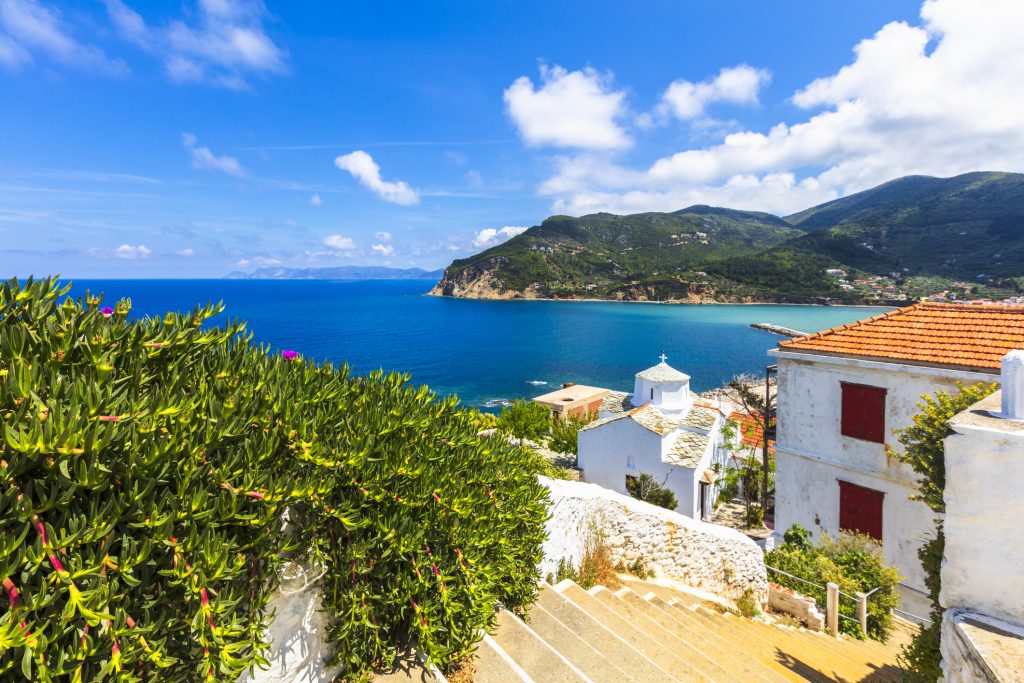
Greece appeals to retirees who want their days to feel social rather than scheduled. Beyond its climate and scenery, Greece offers something harder to quantify: connection built into daily life. Conversations linger. Encounters are unhurried. Community happens naturally.
International Living’s 2026 retirement index placed Greece at the top of its rankings, citing affordability alongside a lifestyle supportive of healthy ageing. Costs remain lower than in much of the US, particularly outside the most tourist-heavy islands.
While Greece does not offer a single, clearly labelled retirement visa, many retirees explore the Financially Independent Person pathway to reside without working locally. As with all immigration options, details matter and professional advice is wise.
Greece rewards patience. Choosing one town or island and staying long enough to understand its seasonal and social patterns is key. The country offers many versions of itself, and not all will suit every retiree.
- MEXICO – PROXIMITY, FLEXIBILITY, AND HEALTHCARE OPTIONS
Central America
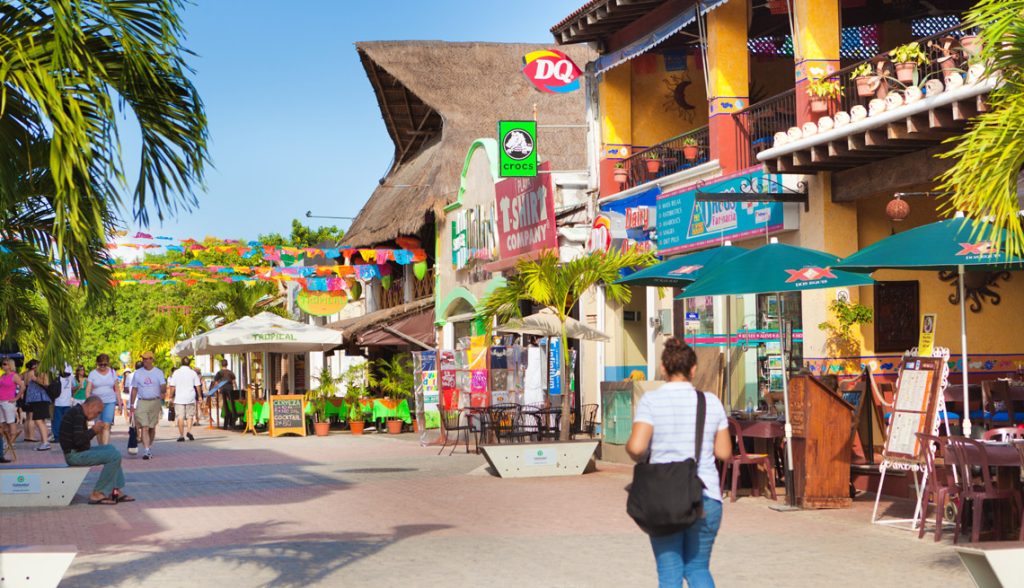
For retirees who want international living without feeling far from home, Mexico remains one of the most accessible options. At least for American retirees, geographic proximity to the United States makes family visits, familiar brands, and cultural continuity easier to maintain.
Cost-of-living comparisons frequently place Mexico 50% to 70% below US levels, depending on location and lifestyle. Equally important is choice. Mexico offers beach towns, highland cities, and urban centres, alongside a well-developed private healthcare sector that many retirees rely on.
Food access is another understated advantage. Fresh produce, beans, rice, and corn are staples, making simple, nourishing meals easy to sustain without effort or expense.
Climate matters more than many spreadsheets suggest. Heat, humidity, and altitude affect daily comfort, and the body tends to cast the deciding vote. Choosing location based on climate tolerance first often leads to greater long-term satisfaction.
- PANAMA – STRUCTURE, INCENTIVES, AND MODERN INFRASTRUCTURE
Central America
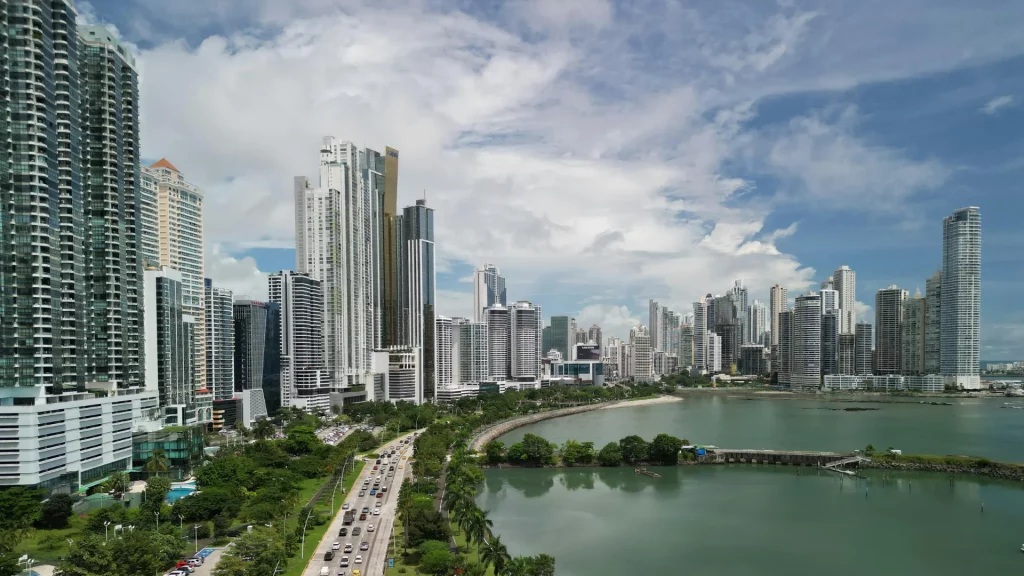
Panama stands out not only for affordability, but for strategy. The use of the US dollar eliminates currency risk for American retirees, simplifying budgeting and long-term planning.
The country’s Pensionado programme is one of the most widely recognised retiree residency options in the region, often described as requiring at least US$1,000 per month in lifetime pension income, or US$700 with a qualifying property purchase. Additional discounts on utilities, transport, and services can further reduce everyday expenses.
Panama’s infrastructure supports ease of living, particularly in and around Panama City, where healthcare, transit, and services are readily available. At the same time, smaller towns offer quieter alternatives without sacrificing access entirely.
Clarity about lifestyle preference matters here. City-oriented retirees and small-town seekers will have very different experiences, both positive, if expectations are aligned.
- COSTA RICA – NATURE, STABILITY, AND MENTAL SPACE
Central America
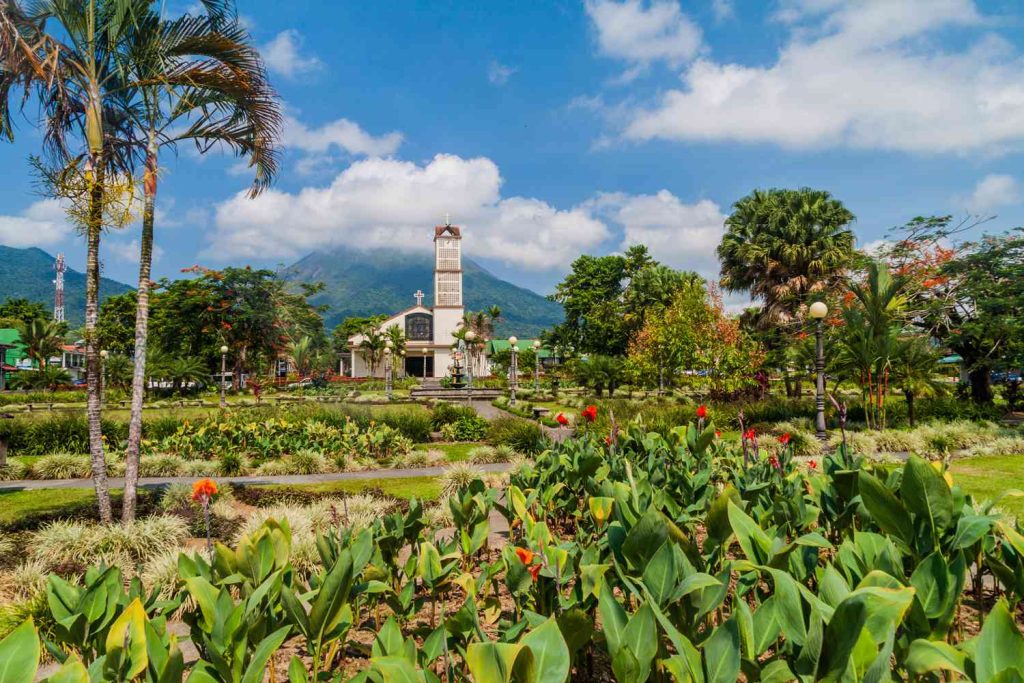
Costa Rica’s appeal lies as much in its mindset as its mechanics. The often-cited “pura vida” philosophy reflects a genuine cultural emphasis on balance, wellbeing, and time outdoors.
While Costa Rica is generally cheaper than the US, certain expat-heavy areas can feel comparatively expensive. Still, many retirees accept slightly higher costs in exchange for political stability, strong institutions, and access to nature.
The Pensionado visa, commonly discussed at a threshold of US$1,000 per month in retirement income, provides a clear pathway for long-term stays. The country’s public healthcare system, known as Caja, is widely respected.
Perhaps Costa Rica’s greatest contribution is environmental. Daily access to green space, fresh air, and outdoor movement acts as an unspoken mental health infrastructure, subtly improving quality of life over time.
- THAILAND – LOW DAILY COSTS AND HIGH SENSORY REWARD
Asia
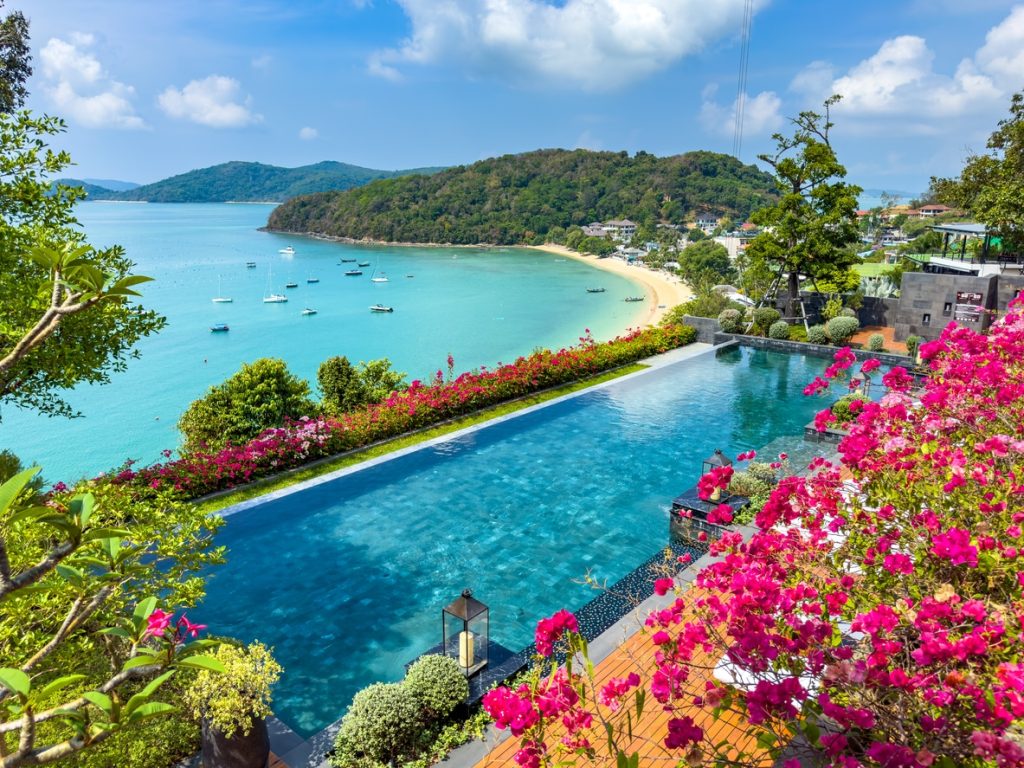
Thailand consistently attracts retirees seeking maximum value without sacrificing comfort. Daily expenses are dramatically lower than in the United States, while food, services, and convenience are widely praised.
Retirement visa pathways such as the O-A visa involve specific age, financial, and insurance requirements, often including maintaining funds in a Thai bank or demonstrating steady income. These rules evolve, making up-to-date guidance essential.
Thailand suits retirees who enjoy novelty. New flavours, languages, and customs are part of daily life. For some, this is energising; for others, it can be tiring. Knowing which camp you fall into matters.
Establishing a stable base before travelling widely helps anchor daily life and prevents early burnout.
- MALAYSIA – COMFORT, CLARITY, AND OUTSTANDING VALUE
Asia
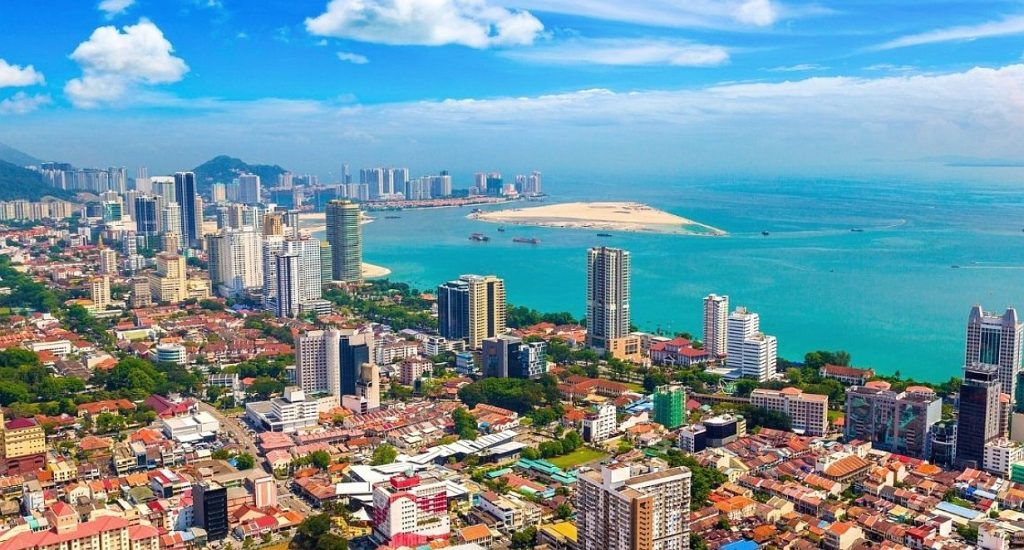
Malaysia deserves special attention, particularly as the seventh and final entry on this list. It combines many of the advantages found elsewhere with fewer trade-offs.
English is widely spoken, cities are modern, and infrastructure supports daily ease. Cost-of-living comparisons frequently place Malaysia around 60% cheaper than the United States overall, creating one of the strongest comfort-to-cost ratios available. Expats have long favoured Malaysia for its accessibility, outstanding location in Southeast Asia, multiculturalism, and an abundance of both city-oriented and nature-focused recreation pursuits on offer.
Long-term stay options such as the Malaysia My Second Home (MM2H) programme attract retirees seeking stability, though requirements can be detailed and subject to change. A number of MM2H options currently exist, and the country’s least expensive MM2H buy-in is through its Special Financial Zone programme, sited in Johor state just next to Singapore.
Malaysia excels at being easy. Healthcare is high quality and affordable, food diversity is exceptional, and day-to-day life feels intuitive rather than challenging. For retirees who want international living without constant adjustment, Malaysia often emerges as the quiet standout. It’s a soft landing in Asia, with few compromises and plenty of positives.
To learn more about Malaysia and its various retirement programmes, you can visit mm2h.com. The parent company of this website also operates a long-running and high-quality MM2H agency with a free help desk to answer any questions.