



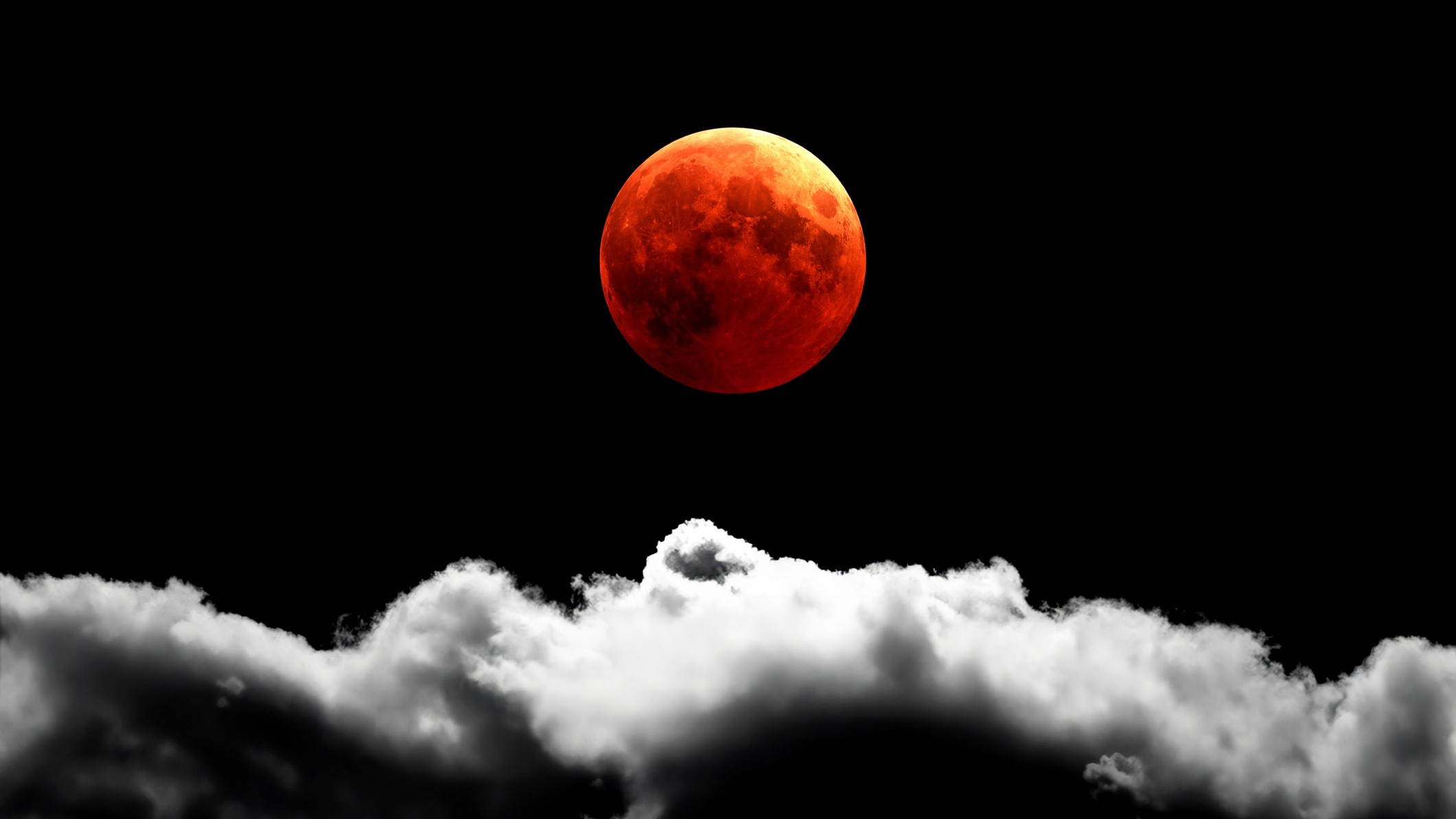
A rare total lunar eclipse will turn the moon deep red this evening, with the next fully visible “blood moon” from Malaysia not due until late 2028.
Anyone in Malaysia looking east after sunset tonight may be rewarded with a striking sight – the moon bathed in coppery red as a total lunar eclipse unfolds across the country.
The event, often called a “blood moon”, marks the only total lunar eclipse clearly visible from Malaysia in 2026. According to local reports, the next comparable opportunity will not arrive until the turn of the year on December 31, 2028 – January 1, 2029.
For skywatchers, that makes this evening worth a little effort.
WHAT IS A ‘BLOOD MOON’? ARE THEY RARE?
A total lunar eclipse occurs when the Earth passes directly between the sun and the moon, lining up in near-perfect alignment. As our planet blocks direct sunlight from reaching the moon, the only light that filters through is refracted by Earth’s atmosphere.
Shorter wavelengths, such as blue light, scatter in all directions – the same phenomenon that makes our skies appear blue during the day. Longer wavelengths, particularly red and orange, bend through the atmosphere and continue onward to the moon’s surface. The result is a dim, reddish glow that can range from soft amber to a deep, almost brick-like crimson.
Unlike a total solar eclipse, which briefly plunges parts of Earth into an eerie daytime darkness, a lunar eclipse unfolds more gently. There is no sudden blackout. No need for protective eyewear. The change is gradual and, in its own way, contemplative.
They are not as viscerally dramatic as solar eclipses. But when the moon hangs low and red against a darkening sky, the effect can still be quietly awe-inspiring.
Globally, total lunar eclipses occur roughly every one to three years. However, visibility depends on geography and timing. An eclipse may happen, but it is only visible from the half of the Earth experiencing night at that moment. Cloud cover, urban skylines, and the moon’s position on the horizon can further complicate matters.
From Malaysia, fully visible total lunar eclipses are less frequent than the global average might suggest. After tonight’s display, the next good opportunity is not expected until late 2028 (December 31, in fact). That gap adds to the anticipation.
KEY TIMINGS FOR KUALA LUMPUR AREA – MARCH 3, 2026
7.23pm – Moonrise during eclipse (likely too low to see clearly)
7.33pm – Maximum eclipse, with the moon deepest in Earth’s shadow
8.02pm – End of total eclipse
9.17pm – End of partial eclipse
10.23pm – End of penumbral eclipse
The early phase may test your patience. At 7.23pm, the moon rises while already in eclipse, but it will sit low on the eastern horizon and could be obscured by buildings, haze, or terrain. Between roughly 7.23pm and 7.40pm, it may appear faint or difficult to spot.
By around 8pm, as it climbs higher, the view should improve significantly.
No special equipment is required. A lunar eclipse is completely safe to observe with the naked eye. That said, binoculars or a small telescope can enrich the experience, bringing out surface details and subtle colour variations across the lunar face.
For the best view, choose an open area with a clear sightline to the eastern horizon and as little light pollution as possible. Parks, open fields, and elevated viewpoints tend to work well.
Those seeking a more structured experience can head to Planetarium Negara, which is hosting a public programme from 5pm to 10pm. The evening includes an eclipse briefing, interactive activities, and direct observation opportunities. A live stream will also be available via the planetarium’s official platforms.
As the event coincides with Ramadan, visitors are welcome to break fast on-site, with prayer and iftar facilities provided.
A MOMENT TO PAUSE, SLOW DOWN, AND LOOK UP
To be mildly philosophical for a moment, in an age of constant distraction, a total lunar eclipse offers something simple and grounding. The mechanics are cosmic, precise, and ancient. Yet the experience is accessible to everyone – step outside, look up, and wait.
Admittedly, it does not rival the fleeting drama and awe-inspiring wonder of a total solar eclipse, but watching the familiar full moon slowly dim and redden carries its own quiet power.
Tonight, weather permitting, Malaysia has a front-row seat.