



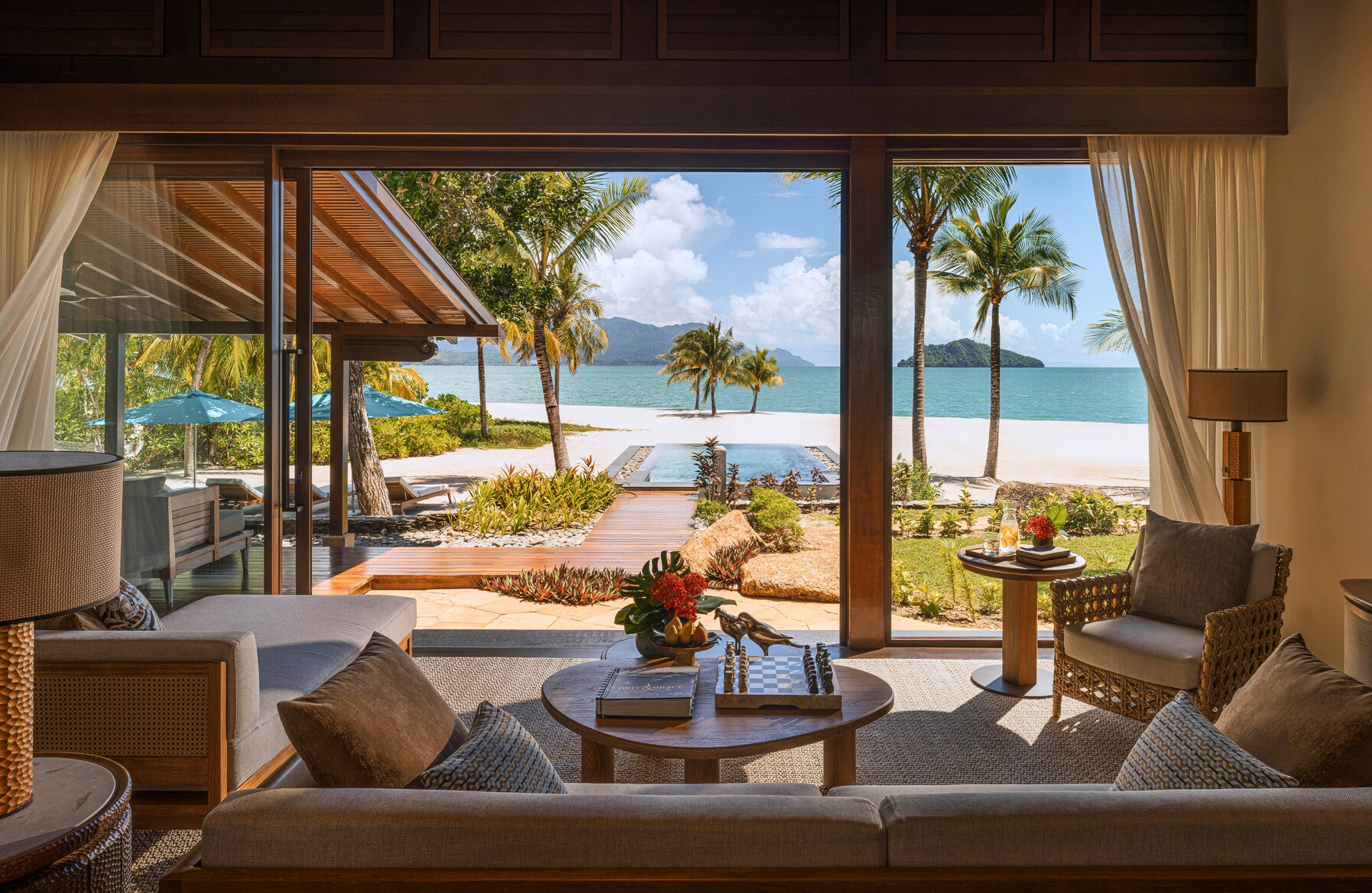
Malaysia now has nine MICHELIN Key hotels, five more than in its debut year, but how does the country fare alongside Thailand, Indonesia, Vietnam, and the rest of ASEAN? The latest selection is recognition of progress – and a reminder that great hospitality takes more than a beautiful building.
For more than a century, the MICHELIN Guide has been telling us where to eat, and doing so with an authority that can turn a tiny red star into a very large restaurant bill. But there was always a slight gap in the formula: once dinner was over, where exactly were you supposed to sleep? MICHELIN had actually been recommending hotels since the 1920s, but in 2024 it decided to give the hotel side of the business its own distinct, proper badge of honour – the MICHELIN Key.
The idea was partly to identify exceptional hotels in an increasingly standardized world of luxury accommodation, and partly to give travellers the same sort of trusted guidance for choosing a hotel that they had long had at their fingertips for choosing a restaurant.
And now, Malaysia can now boast nine hotels carrying the prestigious MICHELIN Key distinction, a significant increase from the four properties recognized when the country first entered the programme last year. And while that may sound fairly impressive at first glance, it pales in comparison at what our neighbours are doing.
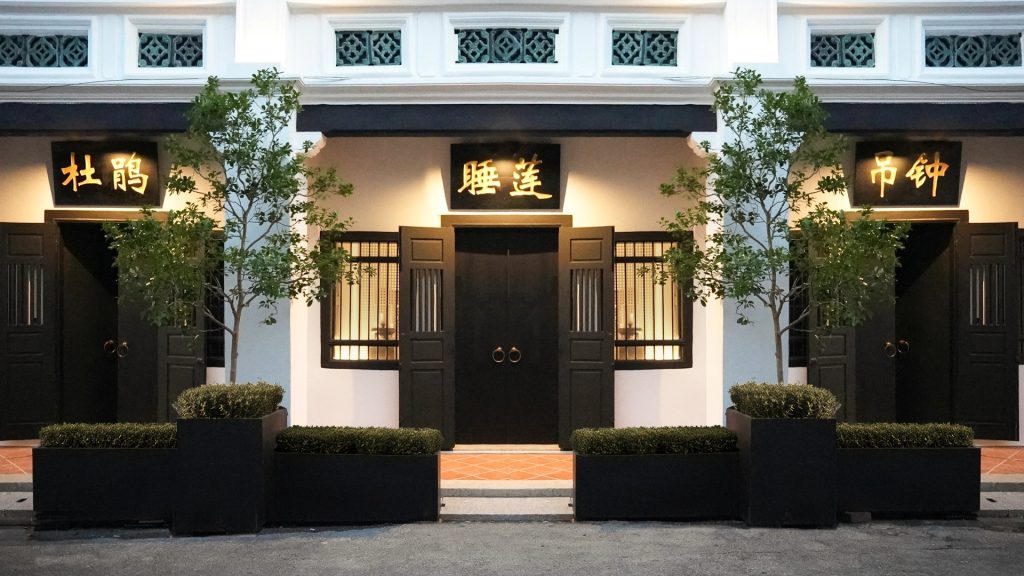
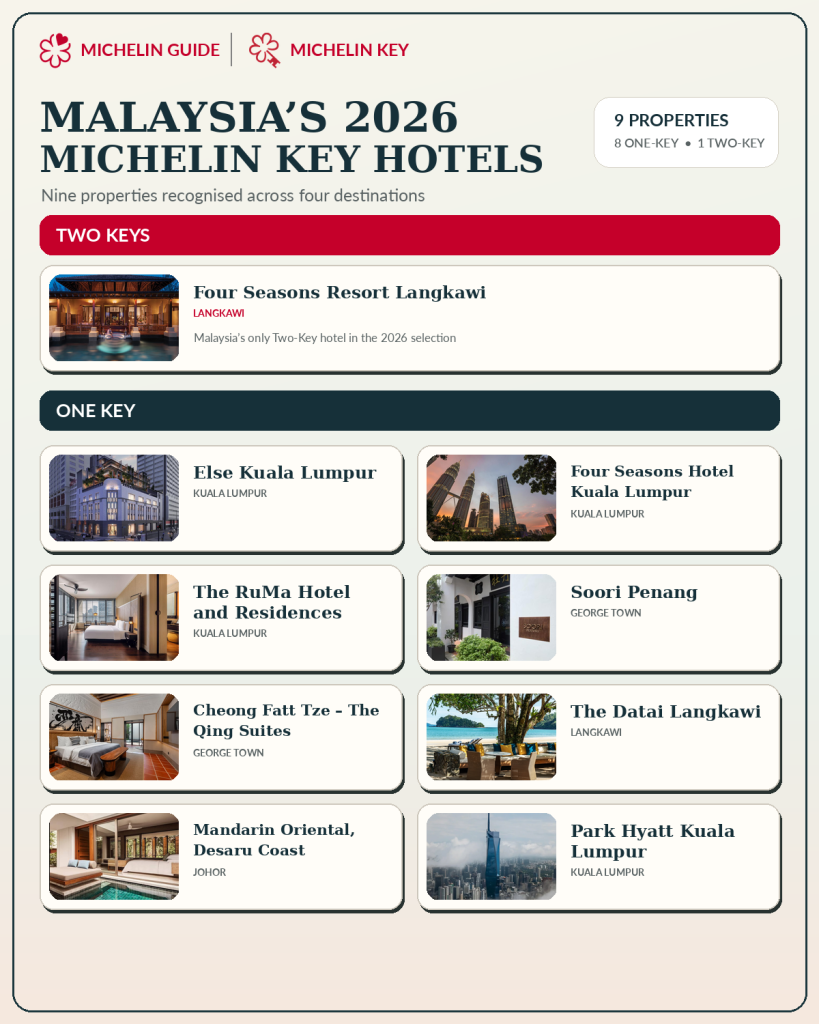
The 2026 MICHELIN Keys, announced on September 18, add five new Malaysian properties across Kuala Lumpur, Penang, Johor, and Langkawi. All five new arrivals received One Key, while the beautiful Four Seasons Resort Langkawi remains the country’s only Two-Key property.
That is certainly something worth celebrating. But it’s telling to just look at the raw numbers, particularly when those attached to Malaysia’s hotel scene are compared with those of its neighbours.
Thailand has 71 MICHELIN Key hotels. Indonesia has 47, Vietnam has 21, Cambodia has 12, and Singapore has 11. Malaysia’s nine recognized properties place it jointly in sixth place in Southeast Asia alongside the Philippines, also with nine.
In other words, Malaysia has made a respectable start, but there is still quite a lot of catching up to do.
FIVE NEW KEYS, FOUR DESTINATIONS
The new Malaysian properties include two in George Town, giving Penang its first MICHELIN Key hotels.
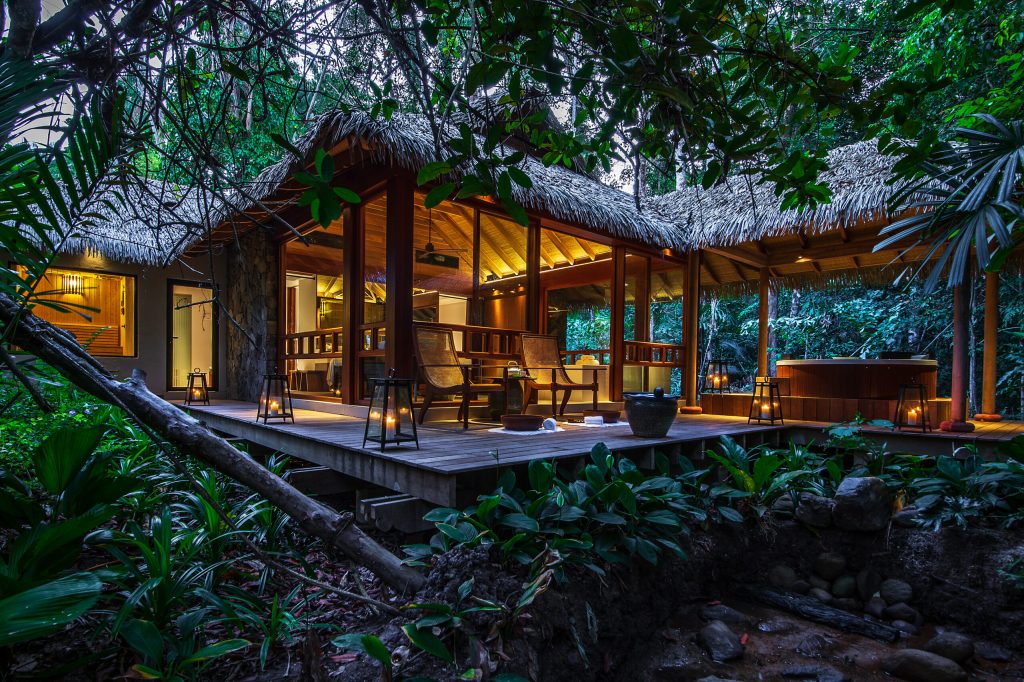
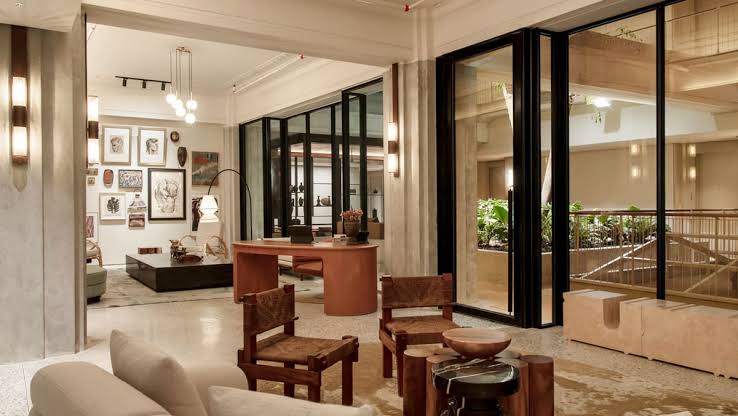
Cheong Fatt Tze – The Qing Suites is the sister property to the celebrated Blue Mansion. Opened in December 2025, the intimate hotel has 13 suites and a spa focused on traditional Chinese medicine, adding a small-scale heritage stay to George Town’s increasingly sophisticated accommodation scene.
Soori Penang, which opened in January 2026, is another boutique heritage property, located beside the historic Khoo Kongsi clan house and museum. Its recognition adds further weight to Penang’s reputation for combining heritage, design, and hospitality.
Johor also makes its debut with Mandarin Oriental, Desaru Coast. The beachfront luxury resort opened under the Mandarin Oriental brand in early 2026 after taking over the former One&Only Desaru Coast, giving the southern state its first MICHELIN Key property.
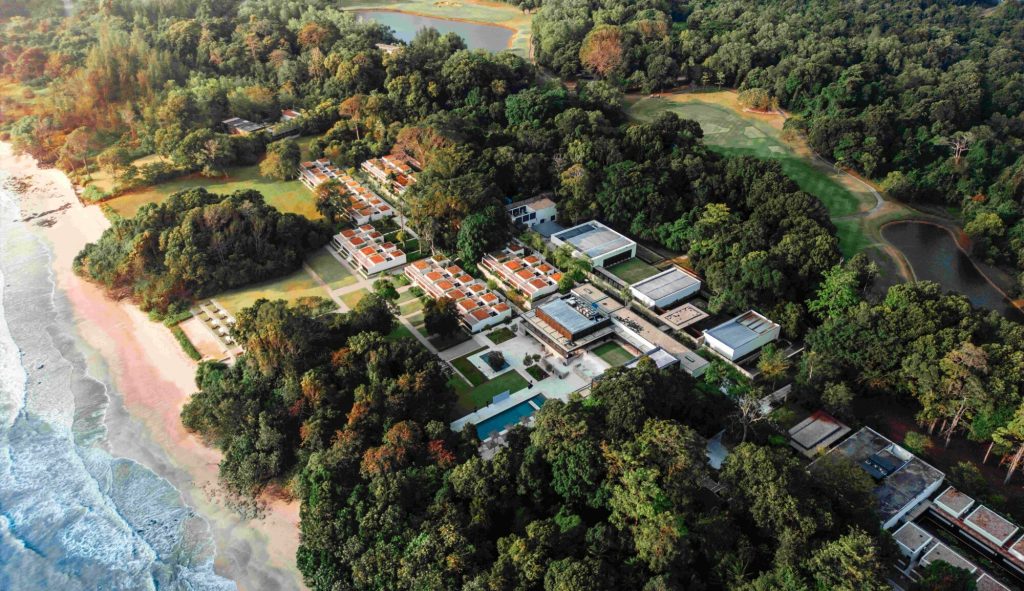
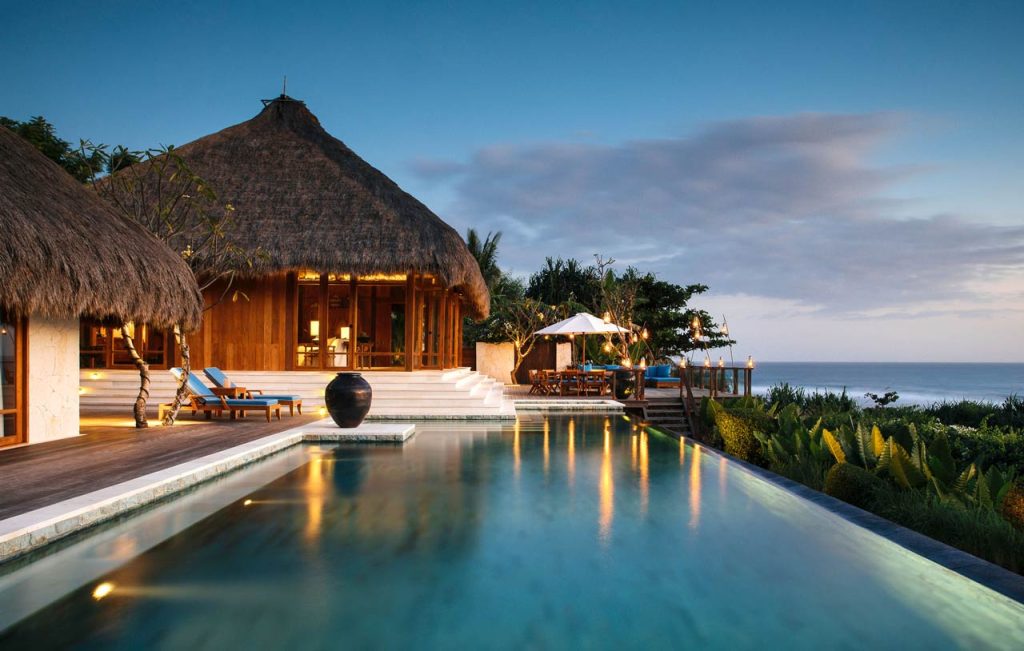
Langkawi gains another Key with The Datai Langkawi, which celebrates its 33rd anniversary this year. The long-established rainforest resort joins Four Seasons Resort Langkawi, giving the island two of Malaysia’s nine recognized properties.
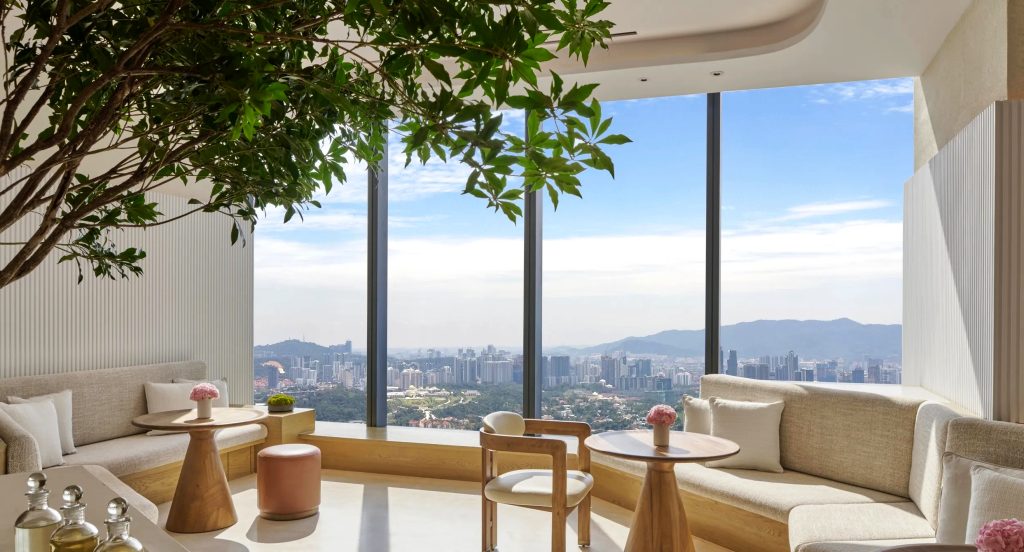
Meanwhile, Park Hyatt Kuala Lumpur, which opened in August 2025, brings the total number of Key hotels in the capital to four. Occupying the upper floors of Merdeka 118, the hotel offers spectacular views across Kuala Lumpur from one of the world’s most extraordinary high-rise addresses.
The three Kuala Lumpur properties that retained their Keys from last year’s selection are Else Kuala Lumpur, The RuMa Hotel & Residences, and Four Seasons Hotel Kuala Lumpur.
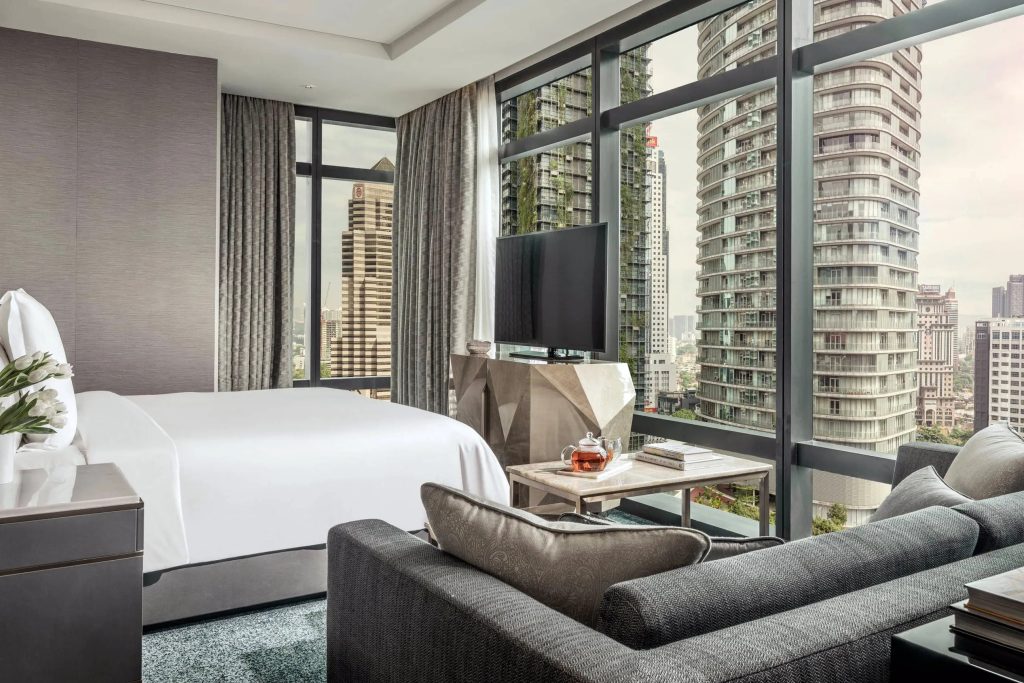
Else Kuala Lumpur is a luxury 49-room boutique hotel that occupies the beautifully restored 1930s art deco-style Lee Rubber Building, while The RuMa sits in the Golden Triangle with views toward the Petronas Twin Towers. Four Seasons Hotel Kuala Lumpur, meanwhile, occupies a prominent location immediately beside the towers and KLCC Park.
Four Seasons Resort Langkawi remains the standout, however, retaining its Two-Key distinction and remaining the only Malaysian hotel to have achieved the higher rating.
WHAT MICHELIN IS REALLY LOOKING FOR
The MICHELIN Key is often described as the hotel equivalent of the MICHELIN Star, although the comparison should not be taken too literally. The two distinctions are quite separate, and the Key is specifically concerned with the overall hotel experience.
MICHELIN says its anonymous inspectors assess hotels according to five universal criteria: excellence in architecture and interior design; quality and consistency of service, comfort, and maintenance; individuality, personality, and authenticity; consistency between the experience and the price paid; and the hotel’s contribution to its destination or setting.
MICHELIN also says that first-rate food experiences receive special attention, while commitments to sustainability and social responsibility are also greatly valued. That list is interesting because it goes considerably beyond the obvious ingredients of a luxury resort.
A spectacular physical building helps, of course. So does a beautiful beach, an infinity pool, an impressive restaurant, or a room with an Instagram-worthy view. But those things are only part of the equation.
What really matters is what happens once the guest arrives. Good service, consistency, thoughtful maintenance, a sense of personality, and a genuine connection with the destination all contribute to the experience. And, ultimately, what a hotel delivers has to feel worthy of the price it charges.
We cannot argue with the MICHELIN ethos, either. Simply building a beautiful resort is not necessarily enough to earn a MICHELIN Key. The overall guest experience has to really stand out from the crowd.
Malaysia has no shortage of impressive hotels, particularly in the luxury resort sector. The country has extraordinary natural assets, from Langkawi’s rainforest and limestone formations to Sabah’s islands and Sarawak’s vast landscapes. It has heritage architecture, increasingly sophisticated urban hotels, and a growing collection of boutique properties. The challenge is turning those assets into consistently exceptional hospitality – which might just be the most useful lesson to take from the 2026 results.
OUR VIEW: A GOOD START FOR MALAYSIA, WITH ROOM TO GROW
The regional comparison is revealing, although, honestly speaking, it should not be treated as a simple league ranking table. MICHELIN’s hotel selections depend partly on where its inspectors operate and the development of its selection in each market, so the number of Keys is not a definitive measure of overall national hotel quality, nor is it intended to be.
That being said, however, the enormous gap is difficult to ignore.
Thailand’s 71 Key hotels are more than seven times Malaysia’s entire total. Indonesia’s 47 are more than five times as many. Vietnam has more than twice Malaysia’s total, while Cambodia has 12, and Singapore 11. There are only five properties in the entire ASEAN region with the coveted three-key rating. Three are in Indonesia (Nihi Sumba, Amanjiwo, and Mandapa, A Ritz-Carlton Reserve), while two are in Vietnam (Capella Hanoi and Amanoi).
Looking at this critically, it probably shouldn’t be terribly surprising. Thailand and Indonesia, after all, have spent decades developing highly competitive hospitality industries in which service culture, resort management, design, food, wellness, sustainability, and attention to detail are integral parts of the product rather than afterthoughts. Vietnam, meanwhile, has been a rising tourism star for quite a few years now.
Our attention was actually captured by Cambodia’s impressive 17-Key haul over 12 properties, with five of them earning two keys and seven collecting a one-key rating.
We think Malaysia is certainly capable of competing in that space – the new Keys demonstrate that – but not without some focused effort. Here, the lesson may be that the next stage of development cannot simply be about adding more spectacular properties. It must work towards ensuring that the entire guest experience is maintained at an exceptional level, year after year. Service, in particular, is an important cornerstone; one at which, too often, Malaysian properties fall short.
A resort can open with beautiful landscaping, immaculate rooms, superb restaurants, thoughtful architecture, and an enviable location. Five years later, the same property may tell a very different story if maintenance has slipped, service standards have become inconsistent, staff training has weakened, or the original environmental and design philosophy has been allowed to fade.
MICHELIN’s criteria effectively acknowledge that distinction. We believe that is the very reason why Malaysia’s nine Keys should be viewed less as a final score and more as a useful benchmark – and hopefully a motivation for more properties in Malaysia to do better. The country has established a credible collection of recognized hotels, but the regional leaders show just how much further the hospitality industry here can go.
For travellers, meanwhile, there is a more enjoyable conclusion: Malaysia now has nine officially recognized reasons to check in somewhere special. We think that’s something worth acknowledging.
Maybe even more importantly, though, with the country’s excellent range of destinations still largely underrepresented in the realm of MICHELIN Keys, there is plenty of room for that number to grow. We’ll be looking forward anxiously to see which hotels step up, and what the new Key count will be in 2027!