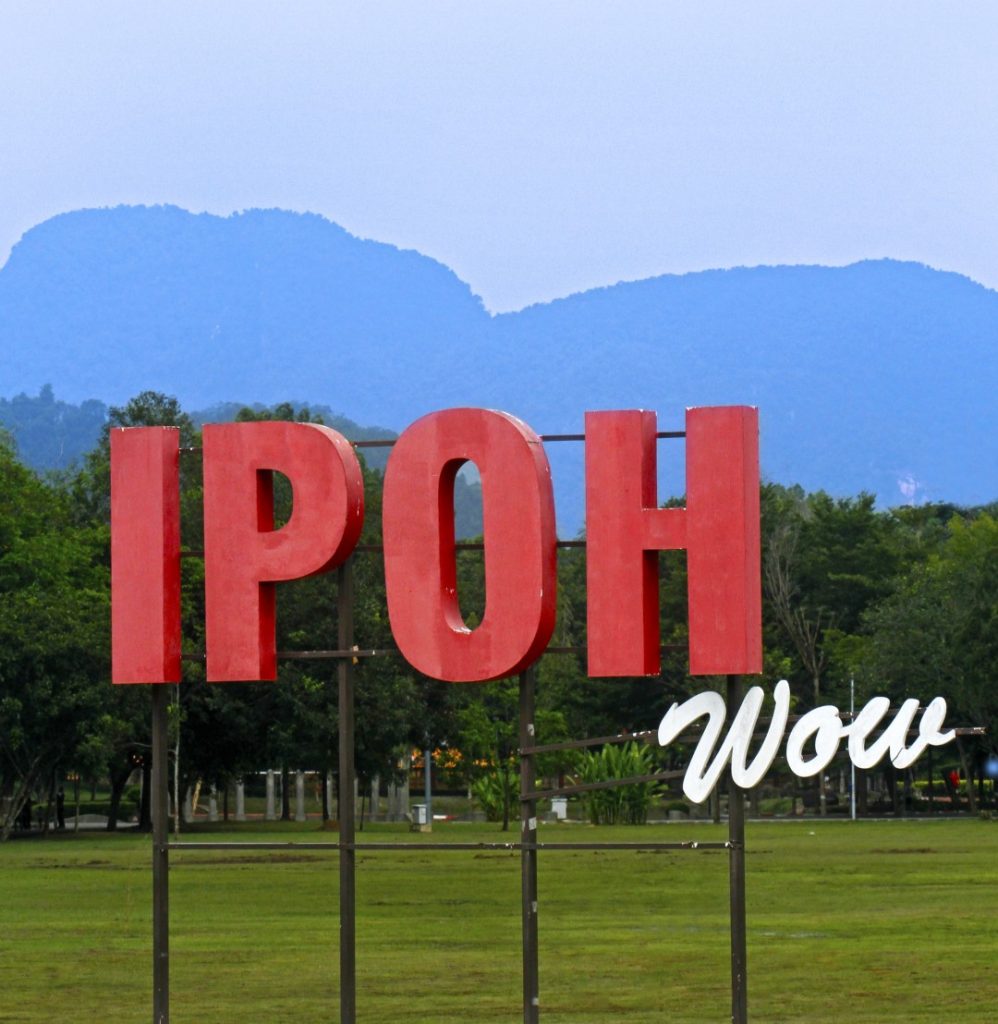


From heritage buildings and limestone landscapes to white coffee, curry noodles, and exceptional pastries, Ipoh offers plenty of reasons to escape Kuala Lumpur for a weekend. Take a trip north to explore the Perak capital’s evolving food scene, historic streets, and welcoming hotel offerings.
With yet another long weekend in Malaysia looming, a plan was hatched to head north for a short break. I believed Ipoh would fit the bill perfectly, so a ticket was purchased for the two-hour train journey northward.
Ipoh is not a destination that first comes to mind when you think of a holiday. Its proximity to Kuala Lumpur can work for it or against it. Ipoh’s perfect for those seeking a weekend break, but not quite far enough for those searching for an extended holiday.
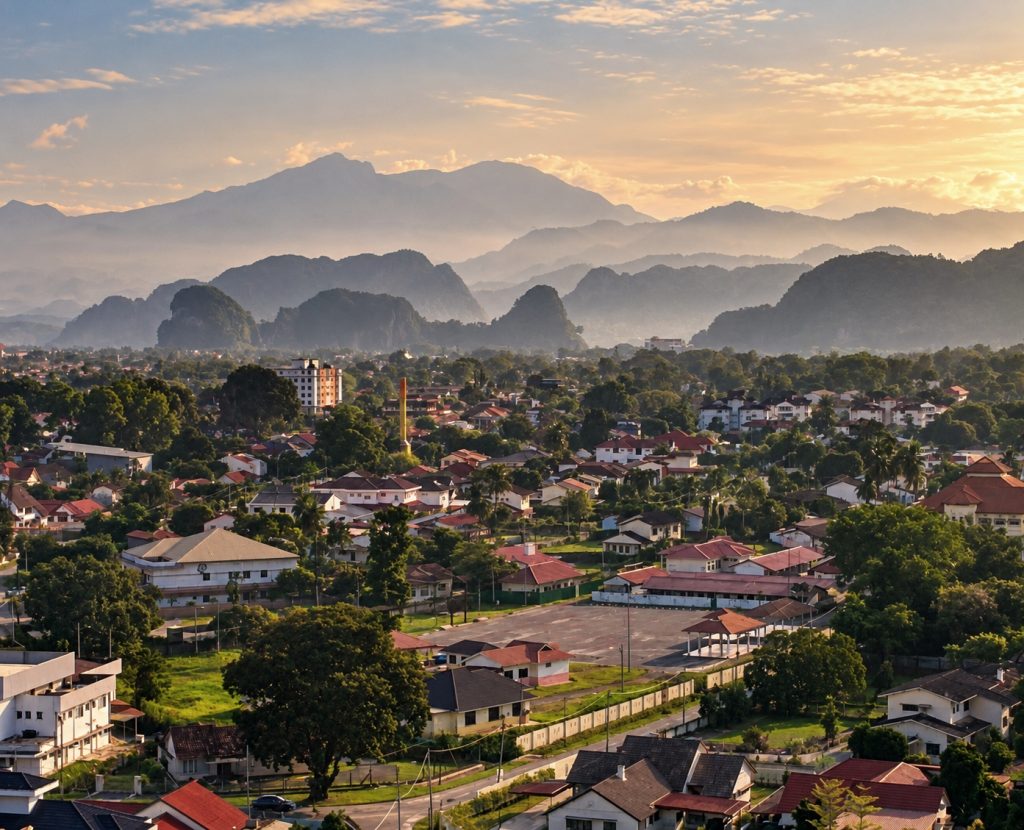
For many, I think Ipoh just appears to be there and isn’t too much to think about, but my recent weekend visit confirmed that the capital of Perak is a serious contender for a few days away from the hustle and bustle of Kuala Lumpur. And from the reasonably sized crowd in the centre of Ipoh, it would appear that more tourists are now heading here to discover its urban heritage, delicious food, intriguing limestone topography, and its tin-inspired history.
Ipoh had been somewhat off my own radar for a long time, so I knew it was time to revisit the city to see what advances have been made. I was pleasantly surprised.
HISTORIC CAPITAL
Located 200 km north of Kuala Lumpur and shaped by the late 19th-century tin-mining boom that transformed it into a major commercial hub, Ipoh retains its historic heart where colonial-era shophouses, traditional kopitiams, and local businesses preserve its heritage.
The train was considered the ideal mode of transportation as I was travelling solo, and this also meant I could avoid the inevitable traffic jam on the North-South Highway. I discovered this is no longer a simple matter as now, train tickets can only be purchased online, and, due to the train’s popularity, seats need to booked fairly well in advance. The train journey is more than pleasant, but I was surprised that my train ran 30 minutes late on its planned two-hour trip.
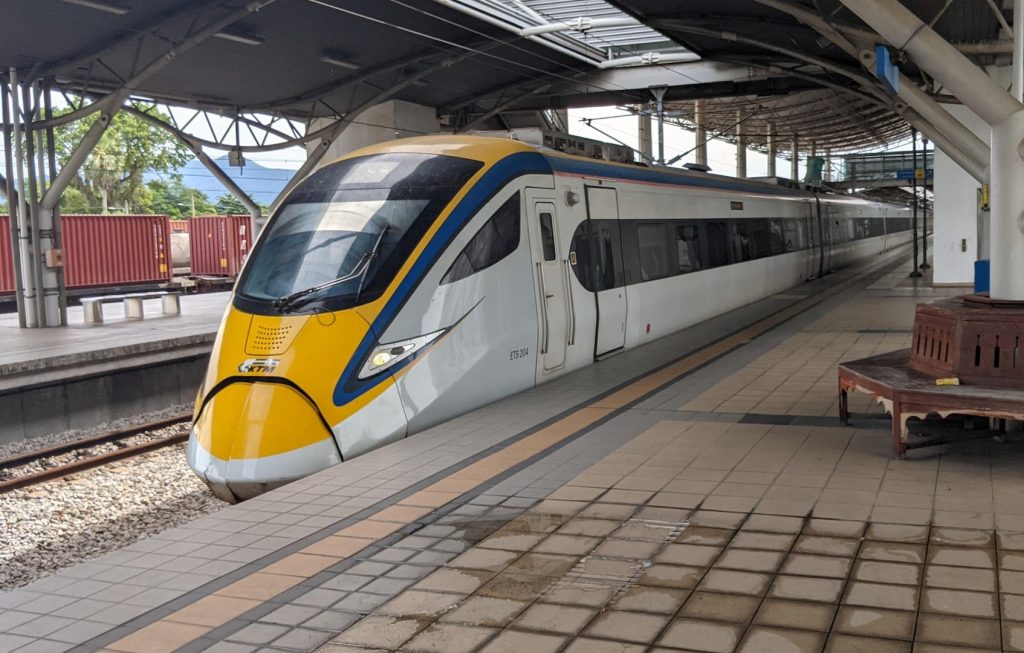
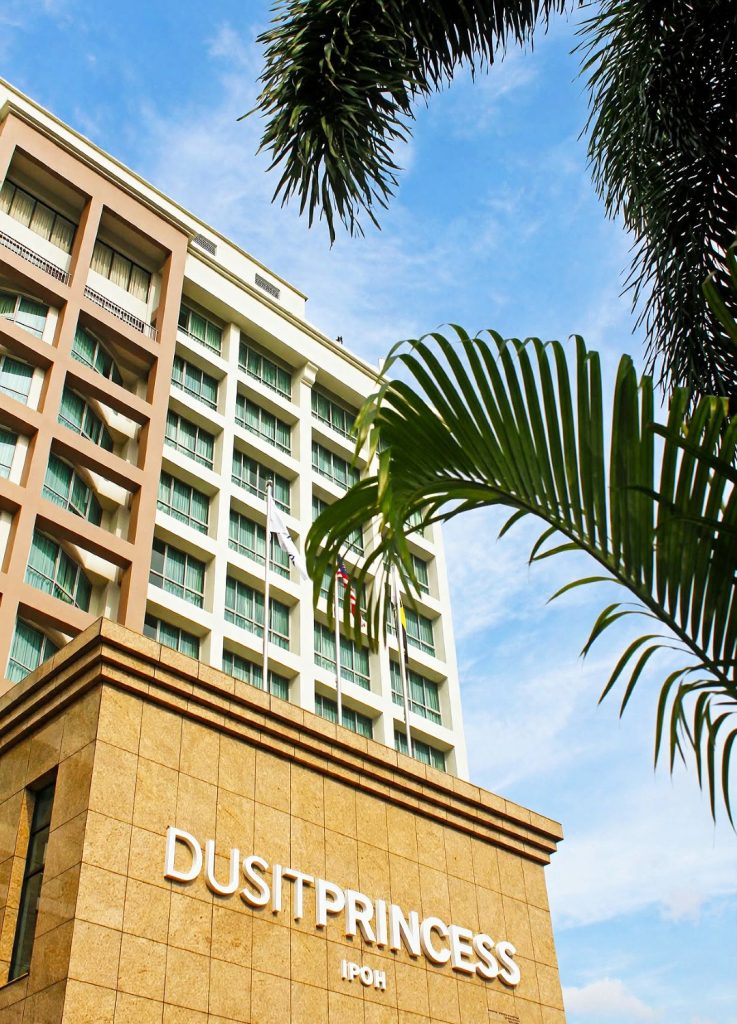
This wasn’t so bad, however, and within minutes of arriving at Ipoh’s historic train station, I was checking into the just-opened Dusit Princess Ipoh overlooking the Perak Turf Club. The hotel proved to be the first of many weekend surprises. The Dusit has just opened its doors to introduce a Thai-ness to the city’s accommodation offerings. This existing property has rebranded under the Thai-based hotel group to provide the city with international hospitality services and facilities.
Located just five minutes from the city centre, the hotel is well positioned for those wishing to explore Ipoh’s heritage, its culinary offerings, and its natural assets, while offering the comfort and flexibility required for city breaks.
CHECKING IN AND LOOKING AROUND
Several local friends became quite animated when they heard of my journey northward. Not surprisingly, these topics of discussion revolved around food, famous dishes, and places to enjoy all these treats. Ipoh’s multicultural culinary traditions, from long-standing dim sum restaurants to celebrated Ipoh white coffee, provide many distractions to food-focused travellers.
After my rail journey, I was happy to enjoy all that the hotel had to offer on my first evening. Being a Friday, at the end of a long working week, a refreshing ale or two was in order, but sadly, this is not possible at the Dusit. However, staff eagerly pointed me in the direction of Sin Yoon Loong (SYL) White Coffee located immediately opposite near the stables to the turf club. The outlet extends from a rustic Balinese-style, open-sided warung in front to an old, two-storey bungalow with an air-conditioned restaurant on the ground floor and an upstairs bar and an event space where a band plays covers of retro hits on a Friday night.
Although no options were available inside the hotel, the beloved snow beers of Ipoh were not hard to locate outside. For the uninitiated, snow beer is a fairly iconic Ipoh experience. A standard beer – typically something like Tiger, Carlsberg, or Asahi – is super-chilled to a precise temperature that’s at or just below the beer’s freezing point (-4 to -6°C), then poured into an ultra-cold frozen mug. The agitation causes the foamy head to micro-crystallize instantly, forming a slushy almost soft-serve like consistency while the beer beneath the head stays cold and liquid. The process effectively eliminates any bitterness and results in an oddly refreshing drink, particularly in the tropical heat of Malaysia. It’s perhaps a bit of a novelty, but it’s enduringly popular here, and it’s something most visitors should try at least once when in Ipoh.

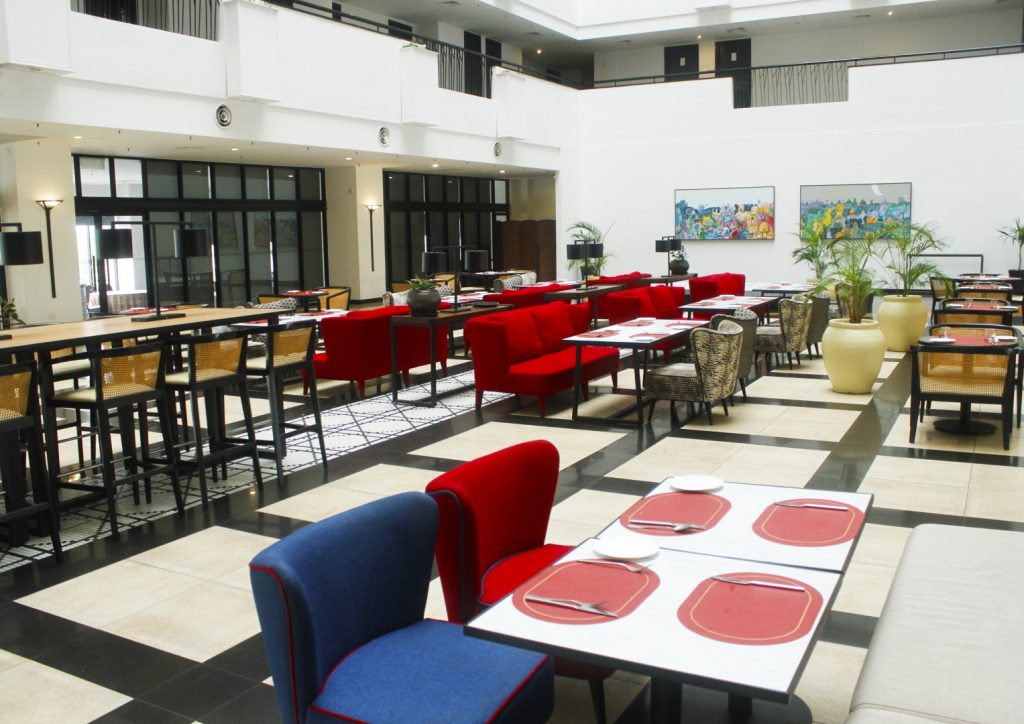
Suitably refreshed after a few Tiger snow beers, I returned to the Dusit to dine in the Atrium, the hotel’s all-day dining outlet. Evening meals here include buffet or á la carte, and I thoroughly enjoyed my chicken curry, mantou, and Ipoh hor fun. The Dusit rooms are well decked out and are noticeably quiet, ensuring a peaceful rest.
My buffet breakfast included the expected local and regional favourites such as nasi lemak, roti canai, kuey teow goreng, and dim sum, alongside continental options. Kommons, located in the lobby, offers speciality teas, coffees and juices, as well as pastries and desserts.
HERITAGE TRAIL
Happily, Grab is much cheaper outside of Kuala Lumpur, so I opted to take Grab to the historic heart of Ipoh so I could walk around. I returned to the very point where I had initially arrived to admire the grand Ipoh Railway Station, which is similar in design to Kuala Lumpur’s original station. The discovery of tin in the Kinta Valley ensured that many people made their fortune, with grand buildings, such as the railway station, being visible signs of that wealth. The station opened in 1917 and quickly earned a reputation as the ‘Taj Mahal of Ipoh’ for its grandeur and the Majestic Station Hotel housed within the station on the upper floors. The hotel was once the place to stay in Ipoh and was a hive of activity when the railway was the preferred mode of travel along the Malay Peninsula.
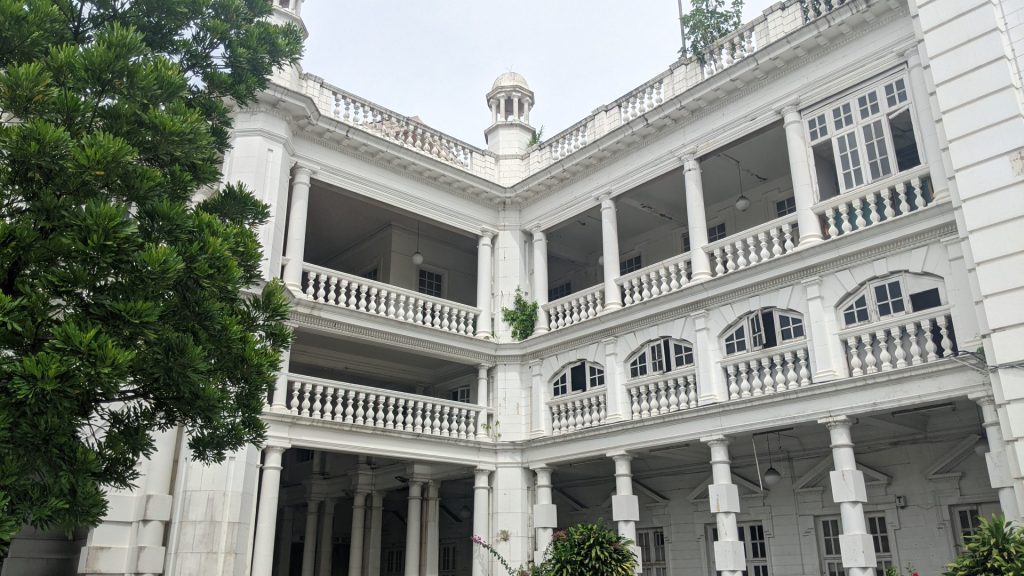
While the station interior has been mostly modernized, the exterior has been preserved, and the good news is that it is finally being renovated after years of regrettable neglect. Time will tell, but if the renovation is faithful to the building’s original design, this should be a most impressive building.
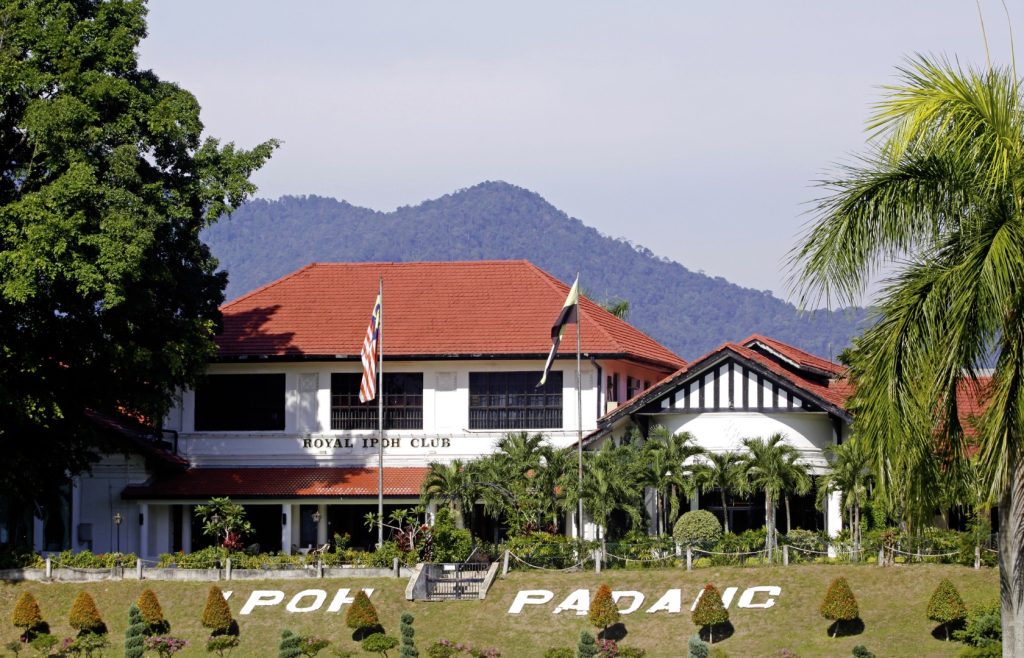
The Royal Ipoh Club, meanwhile, is located nearby just past the High Court building. It overlooks extensive playing fields (padang), and the Tudor-style clubhouse mirrors the Royal Selangor Club in Kuala Lumpur. Several other heritage attractions are located nearby. The essential sites to view include Concubine Lane, St Michael’s School, and the HSBC Ipoh building.
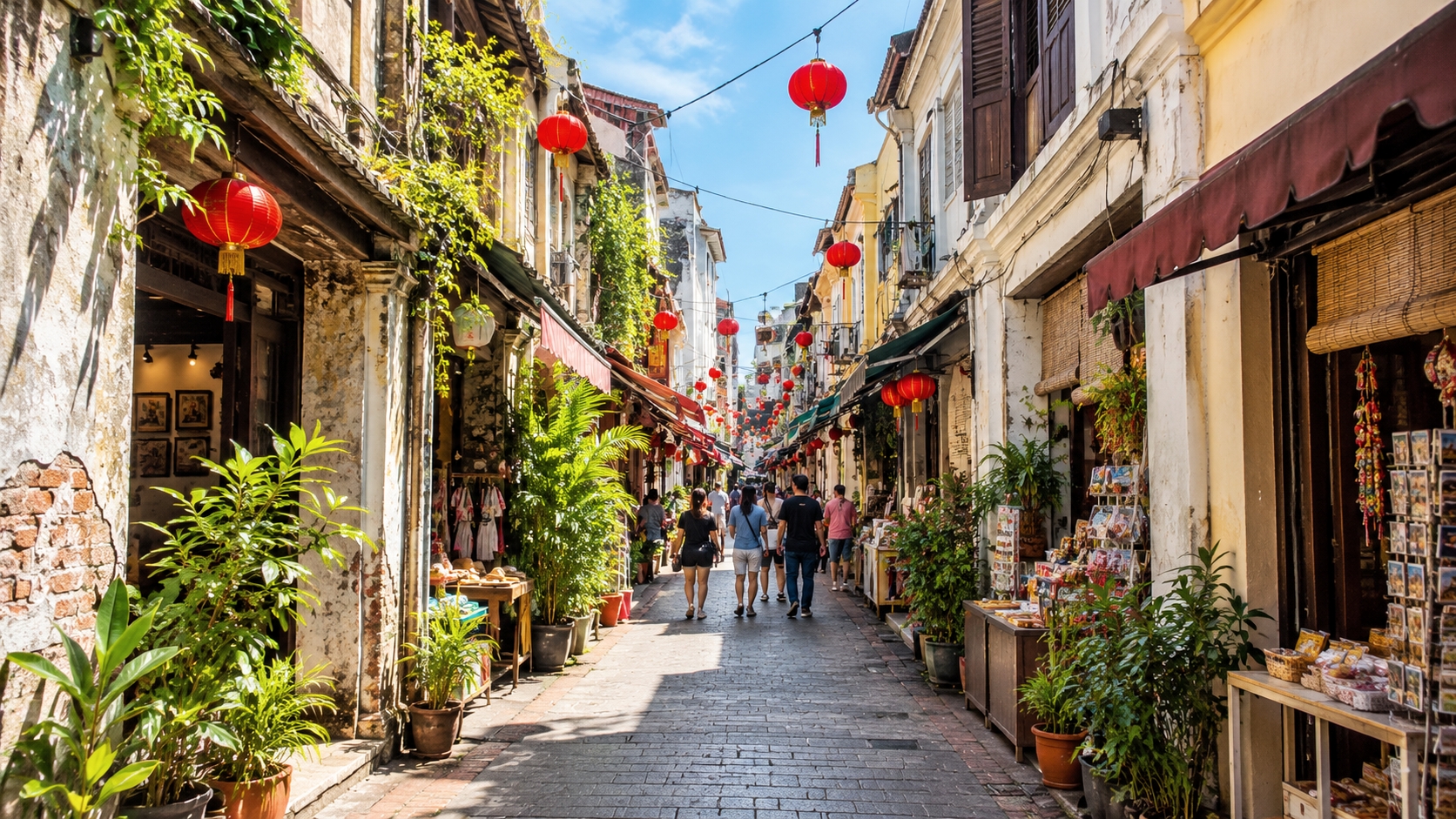
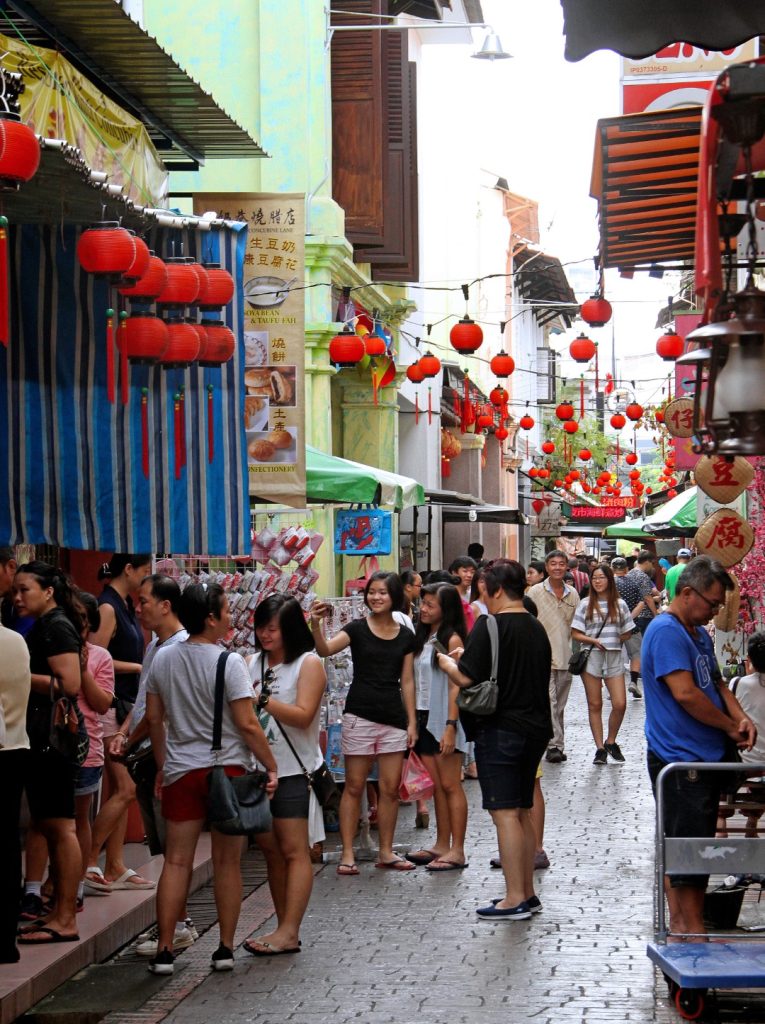
Concubine Lane, once a neglected alleyway, has received a new lease of life to become the most visited part of Ipoh with its lively and colourful market atmosphere. Cafés, bakeries, and souvenir shops now line the narrow thoroughfare, which is usually quite crowded on weekends.
Kong Heng Square is a repurposed heritage maze around the old Kong Heng coffeeshop that fronts onto Jalan Bandar Timah. Several adjoining heritage buildings have been rejuvenated as cafés, an art gallery, a bookshop, and a market.
CULINARY TOUR
Penang is often celebrated as Malaysia’s foodie capital, but those in the know put Ipoh in a similar tier – and for good reason. Food appears to be on every corner in the city’s historic heart, from local street food and hawker centres to contemporary cafés and more refined dining options. Some outlets that I had heard about included Plan B, Durbar at FMS, OldTown White Coffee (the new outlet on the corner of Jalan Bandar Timah and Jalan Panglima has a coffee museum on its upper floor), Aud’s Café, Nam Heong White Coffee, Thean Chun Coffee Shop, Yee Hup (biscuits), and Seong Man Teahouse (cheesecake).
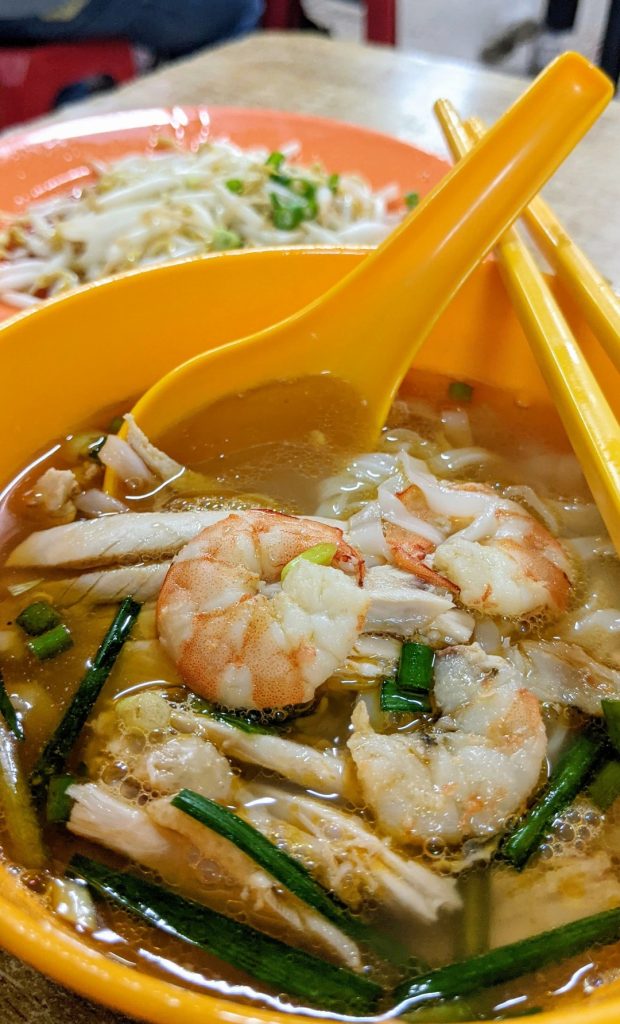
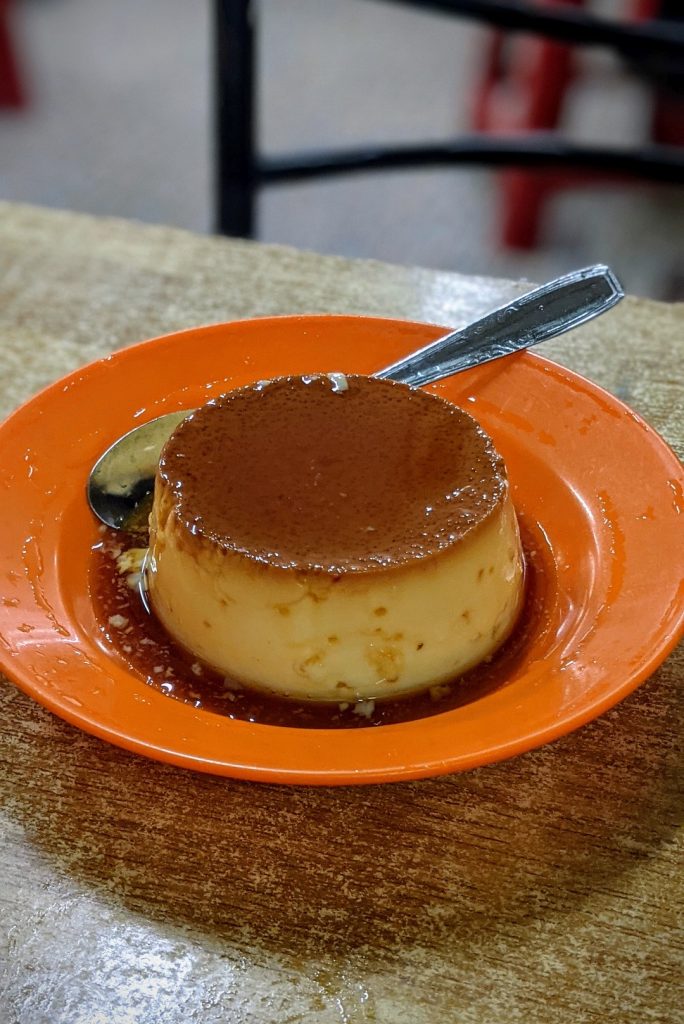
One standout dish from Thean Chun is its well-known kai see hor fun, an Ipoh specialty. The dish, whose name translates from Cantonese as “shredded chicken flat rice noodles,” is one of Malaysia’s most iconic hawker street foods, and actually originated in Ipoh. It is a comforting noodle-forward soup dish with silky-smooth rice noodles and a unique, dual-layered umami broth made from simmering chicken bones and fried prawn heads. The soup is then topped with tender strips of poached shredded chicken, whole blanched prawns, fresh green chives (gau choy), and fried shallots, garnished with a bit of prawn oil and served with sides of chillies in soy sauce and a small plate of fresh Ipoh bean sprouts (and yes, they’re different – details to follow). Variations exist, including a dry-style version, but on previous visits, I found the famous one at Thean Chun to be superb. Possibly just as beloved from this shop is their caramel egg custard dish, which makes a fine follow-up to the hor fun.
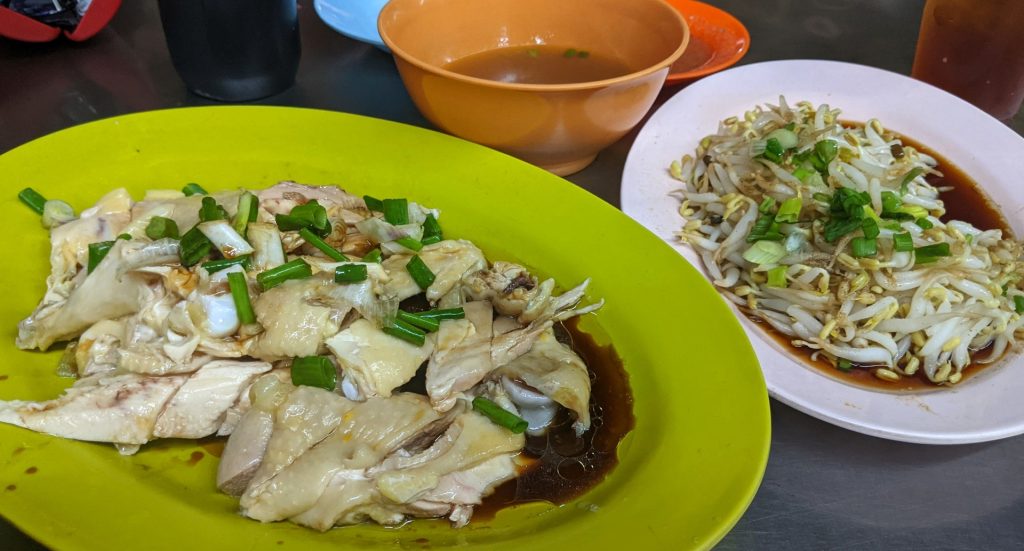
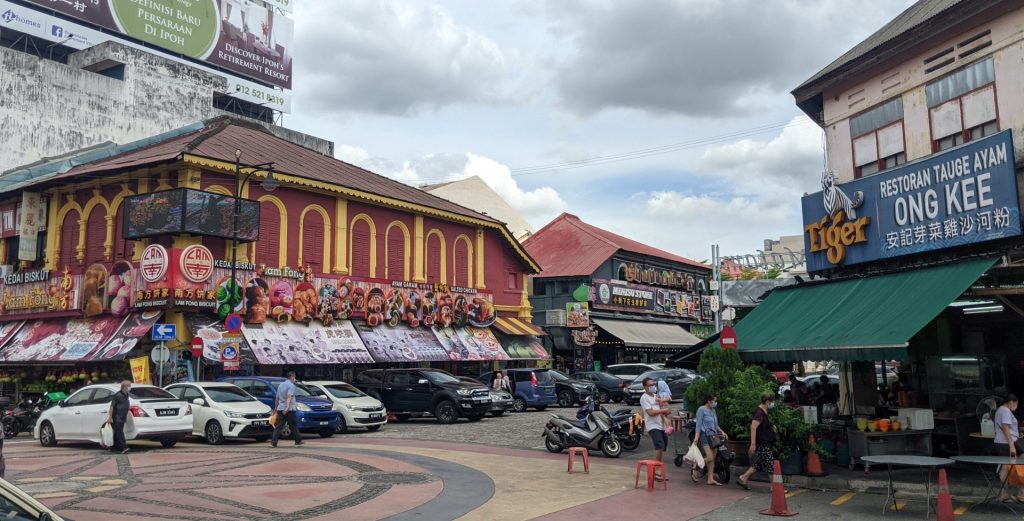
Another firm favourite in Ipoh is bean sprouts chicken, also known as tauge ayam (Malay) or Ngar Choi Gai (Cantonese). Ipoh’s bean sprouts are legendary throughout Malaysia for being uniquely short, plump, fat, and incredibly crunchy. This distinct texture is usually credited to the local, mineral-rich karst spring water flowing from Ipoh’s surrounding limestone hills, which naturally nourishes the crops. For the bean sprouts chicken, they are briefly blanched, tossed in soy sauce and sesame oil, and dusted with a pinch of white pepper. Typically, the sprouts are served separately from the poached chicken, and the dish is further deconstructed with the carbs on another separate plate, usually fragrant rice or sar hor fun noodles. This dish can be found in numerous shops, and Lou Wong and Ong Kee are particularly well-known places to get your bean sprouts chicken fix, although some Malaysians say the quality at both shops has dipped in recent times.
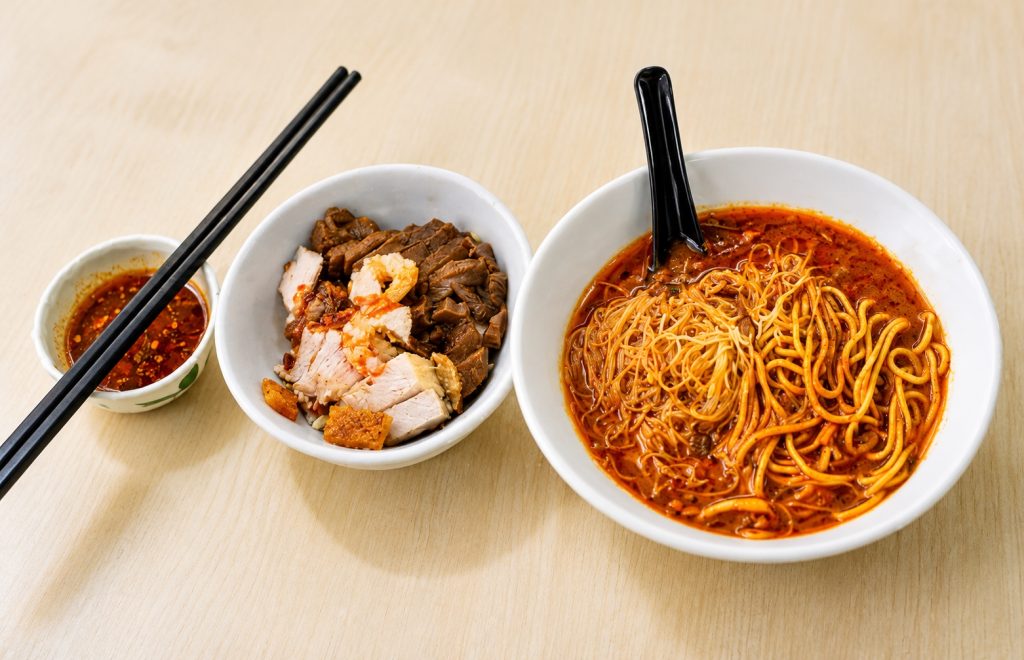
Cheryl Lum, General Manager of the Dusit Princess Ipoh, spoke to me over breakfast, and it wasn’t long before I was jotting down her personal favourites. It was suggested I visit Restoran Xin Quan Fang (known locally as Police Station Curry Noodles) for curry noodles of vermicelli and yellow noodles in a rich, spicy broth. Apparently, the broth is special, but while the owners were welcoming enough, they nevertheless remained tight-lipped about their ‘secret’ recipe.
My insider informants also said I should return to SYL to try their ‘famous’ toasted kaya cake and their soon-to-be-famous matcha latte. I can report that the kaya cake was supremely light and tasty, but the jury is still out on the matcha; however, that could be more me than them.
Arriving at SYL in daylight, I noticed the oversized coffee pot at the entrance, and also the emerging Stables Market. Visiting SYL is highly recommended while the market is still developing. Though it may not have yet evolved into its final form, visit anyway and show some support as it is immediately adjacent to SYL. While there, you should also pop into the Perak Turf Club if the races are on and support another struggling enterprise.
Another recommendation was Little Allegra, a very discreet café that definitely falls into the IYKYK category. (For the acronym-impaired, that’s ‘if you know, you know.’) Located in a residential neighbourhood, the only indication it exists is ‘26a’ at the entrance (the address is 26a Jalan Keliling, Taman Canning). Celebrated restaurateur and chef Julie Lip, who previously helmed the acclaimed Indulgence Restaurant, has opened this rather more manageable café. This is an essential stop for those who love the finest breads, cakes, pastries, and coffee, which, in the case of the latter, is imported from Japan.
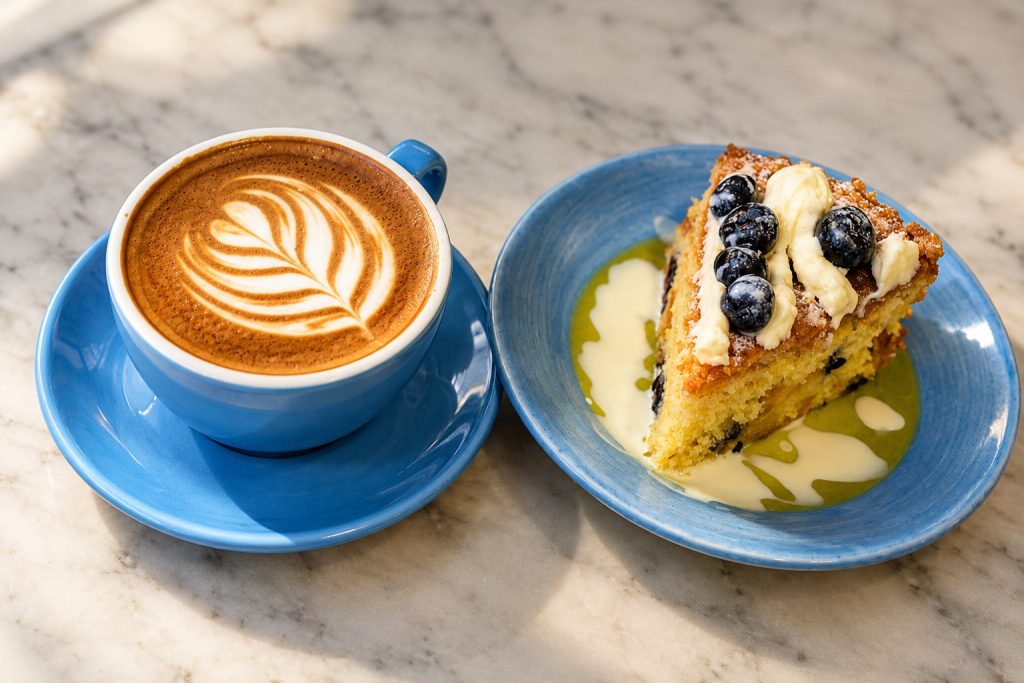
Offerings are baked by Julie, who diligently rises early on the days the outlet is open to prepare items that I believe can compete with the world’s best. I sampled her cempedak and blueberry cake and a pistachio Danish brick and would gladly go back again just for these. The outlet is only open Friday to Monday (not Monday to Friday) from 8.30am to 5pm.
KARST TOPOGRAPHY
Beyond Ipoh’s historic streets and culinary attractions, the dramatic limestone formations surrounding the city offer another compelling reason to visit. Rising abruptly from the Kinta Valley floor, these ancient karst hills create a distinctive and beautiful landscape dotted with cave temples, many of which combine religious devotion with remarkable natural settings. Visitors can spend time exploring the temples and their surroundings, taking in the contrast between the imposing limestone cliffs, lush vegetation, and the bustle of the city below.
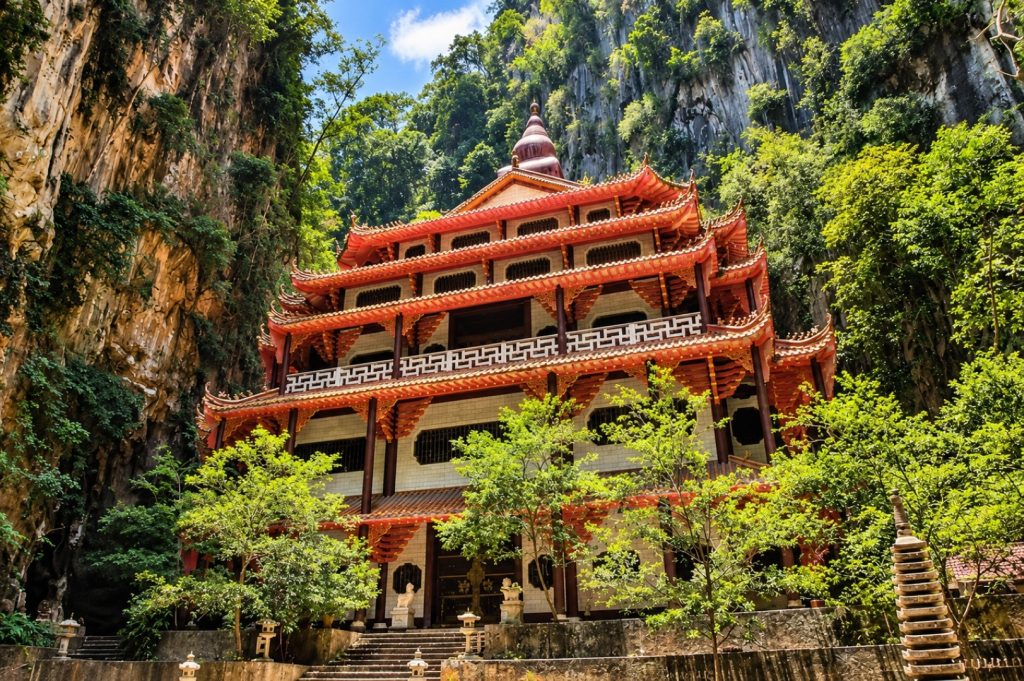
One of the most popular of these is Sam Poh Tong Temple, which is the oldest and largest Mahāyāna Buddhist cave temple in Malaysia, initially established in 1890 by a meditating monk and officially completed in the 1950s. Tucked inside a massive limestone cave in Gunung Rapat, just outside of Ipoh, it is renowned for its ornamental gardens, cave shrines, and a ‘secret’ backyard garden anchored by a dramatic red pagoda almost completely enclosed by sheer vertical cliffs.
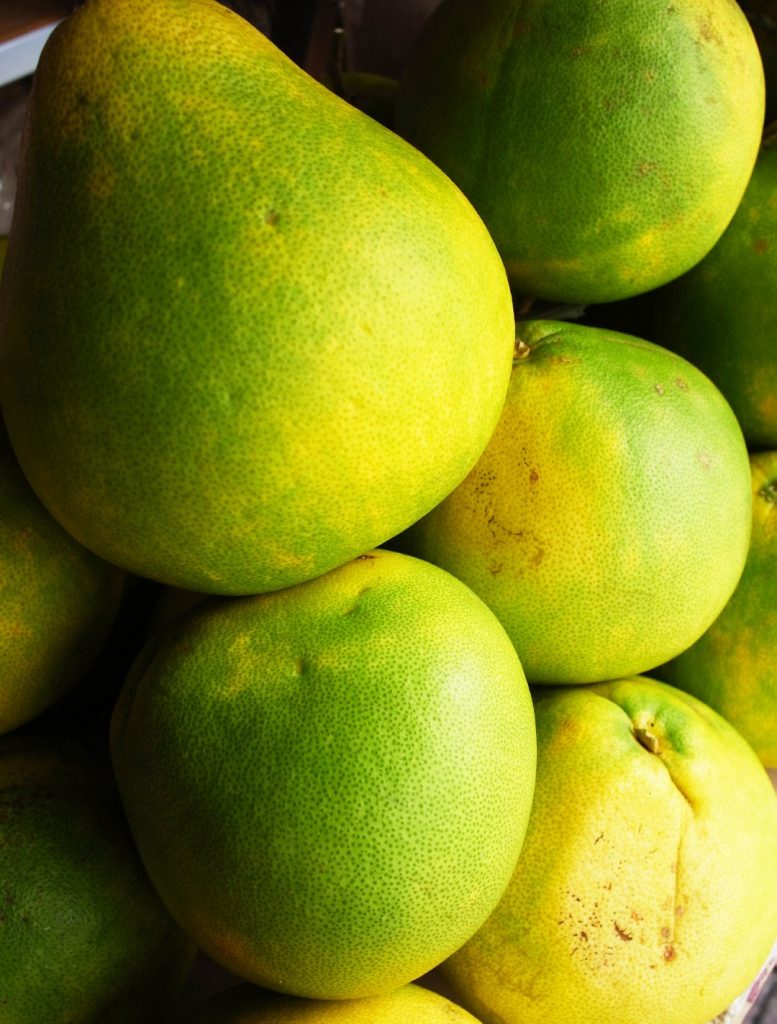
On previous road trips to Ipoh, I had stopped at several of these temples and at the roadside stalls selling the region’s celebrated pomelos. These citrus fruits remain closely associated with the Kinta Valley, and the stalls are worth a stop for anyone keen to sample local produce or take some home. Together, the temples, countryside, and food traditions provide a welcome counterpoint to the heritage buildings and busy cafés of the city centre.
Judging from my experience on this visit, Ipoh has clearly moved beyond its reputation as a place to merely pass through on the way north. Its heritage, lively food scene, natural attractions, and increasingly diverse accommodation options make it an appealing destination in its own right, whether for a quick weekend escape or a longer exploration of Perak. Getting there is straightforward, too, especially for KL-area residents. On top of that, I was surprised to learn that Scoot operates as many as three flights a day between Singapore and Ipoh on some days, opening the city to visitors from beyond Malaysia. For a destination that has sometimes been overlooked, that growing accessibility is another reason to take a closer look.
Additional text and photos by Chad Merchant
TRAVEL FILE
Getting There
Drive or take the train to Ipoh. For those with limited time, it’s possible to depart Kuala Lumpur on an early train, arrive in Ipoh for a late breakfast, and then return after enjoying dinner in the Perak capital.
Where to Stay
Dusit Princess Ipoh (dusit.com).