



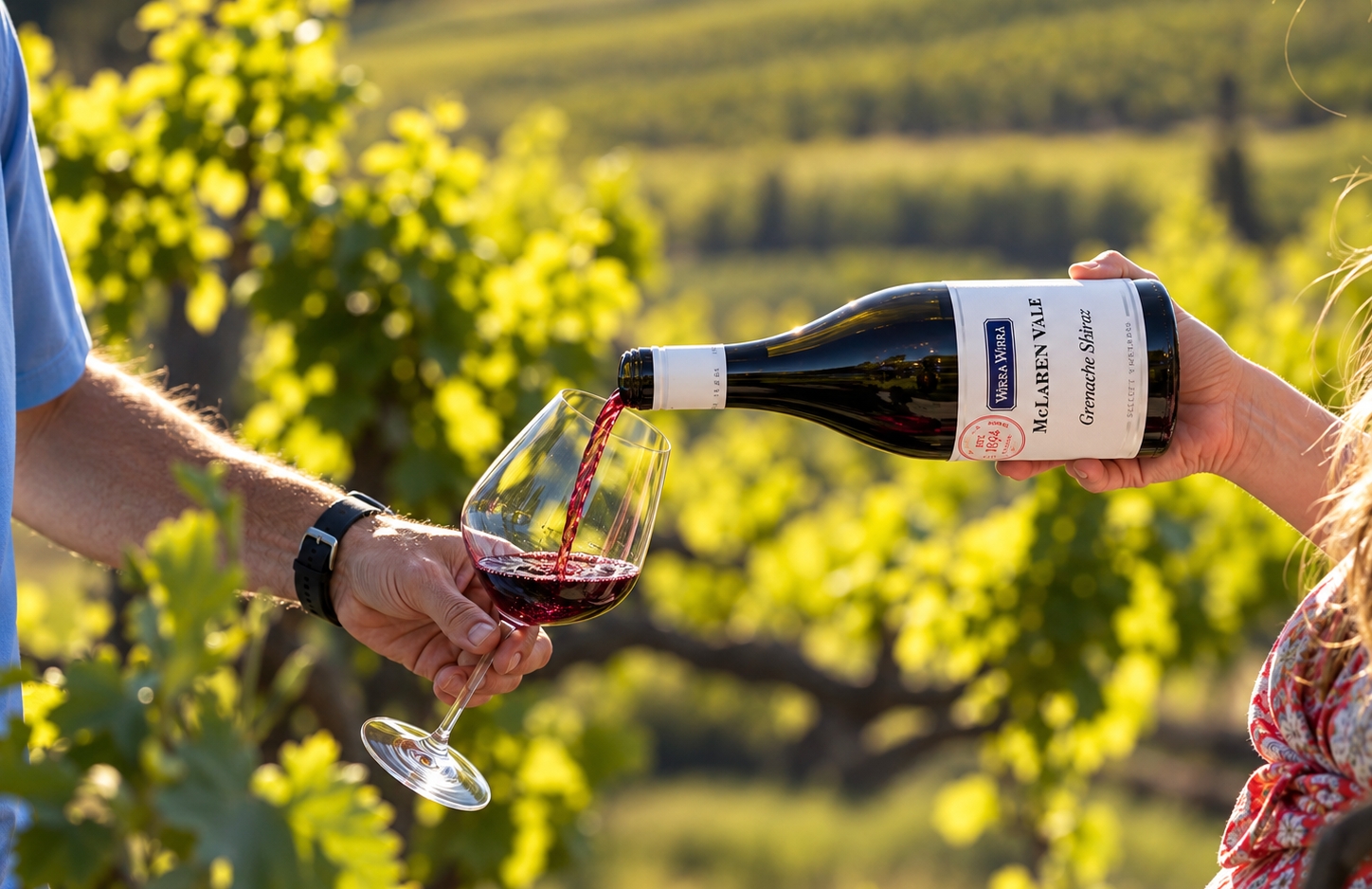
From its fascinating history to the distinctive wines of McLaren Vale, Wirra Wirra combines Australian character with a thoughtful approach to winemaking. We explore the winery’s story and taste five wines that showcase its range, from crisp, aromatic whites to the depth and structure of its celebrated reds.
There is something unmistakably Australian about Wirra Wirra Vineyards: a little irreverence (maybe even a rebellious streak), a strong sense of place, and, perhaps most crucially, a serious commitment to what ends up in the glass. Established in 1894 by Robert Strangways Wigley – an eccentric former cricketer by most accounts, and a man with a penchant for doing things his own way – the winery has enjoyed a history almost as characterful as its wines.
Following Wigley’s death in 1926, the property fell into disrepair, until the charismatic winegrower Greg Trott set about restoring its original ironstone cellars in the 1960s. Trott’s vision helped revive not only the winery but also its reputation as one of the distinctive names in McLaren Vale, a region that has been producing wine since the late 1830s and is now among South Australia’s most respected wine destinations. That wasn’t always the case, though, and Trott played an outsize role in that. He not only revived Wirra Wirra (both literally and figuratively), he is considered a key figure in the broader development of McLaren Vale as a premium wine region in Australia.
Located south of Adelaide on the Fleurieu Peninsula, McLaren Vale benefits from a Mediterranean climate, with warm, dry summers moderated by maritime breezes from the Gulf St Vincent and cooler influences from the Mount Lofty Ranges. Despite a relatively compact size, the area’s soils are remarkably varied, creating a mosaic of vineyard sites rather than a single, uniform expression of terroir. The region is best known for Shiraz, Grenache, and Cabernet Sauvignon, often producing reds with generous fruit, depth, and structure… yet McLaren Vale is far from a one-trick pony.
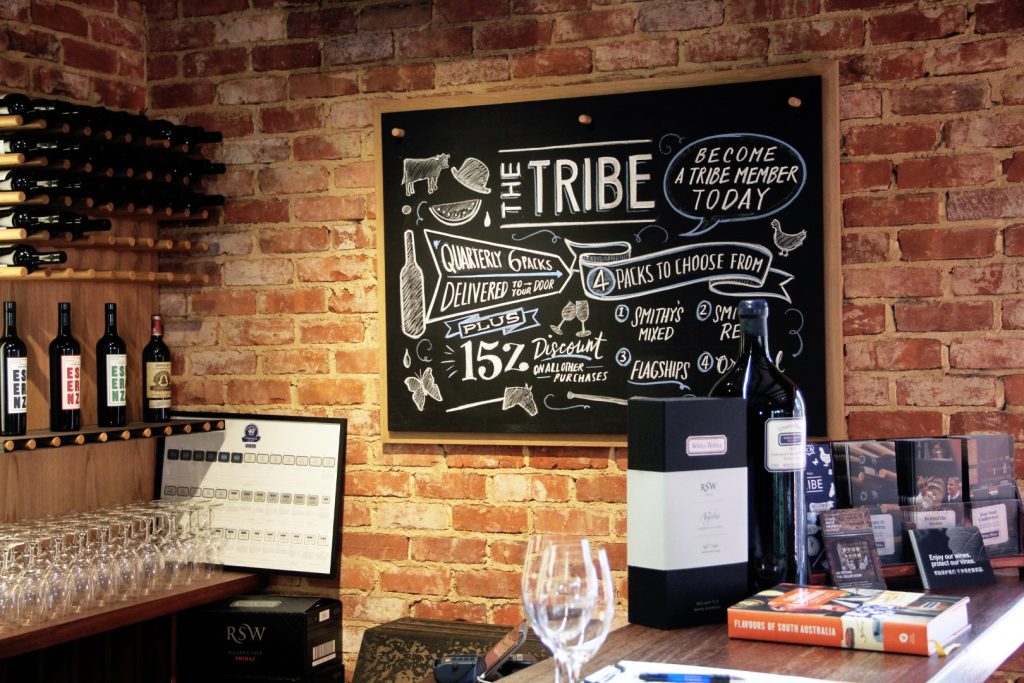
The region’s growing interest in Mediterranean-aligned varieties reflects both a willingness to experiment and a practical response to a warming climate. Wirra Wirra captures something of this balance between tradition and evolution: its classic reds draw on the region’s established strengths, while its whites benefit from fruit sourced from the cooler Adelaide Hills. The winery’s vineyards are certified organic and biodynamic, and while we feel few buying decisions are made solely for those labels, for those who want to feel a bit better about what’s in their glass, Wirra Wirra fits the bill nicely. Indeed, in tandem with their organic bona fides, Wirra Wirra’s winemaking philosophy emphasizes freshness, elegance, and a clear expression of fruit rather than sheer weight.
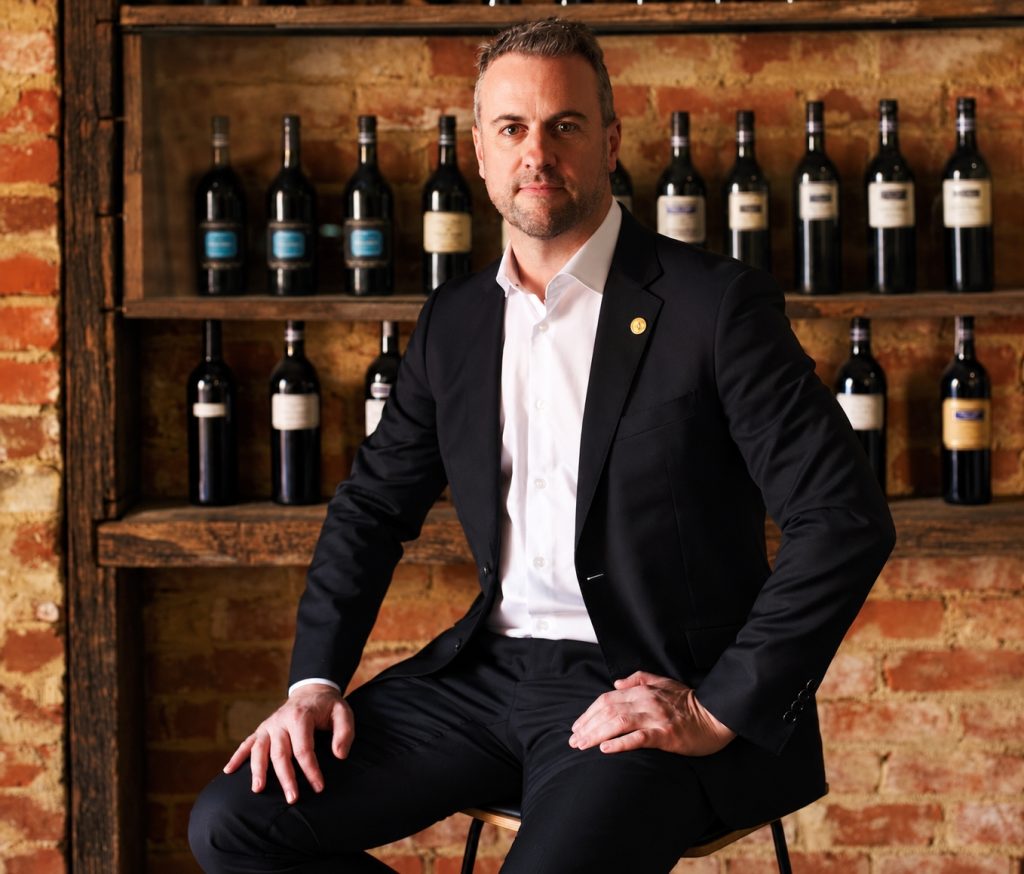
We recently had the opportunity to explore a nice range of these wines at a media luncheon at The Chinois in Sunway Damansara, hosted by Matt Deller MW, Wirra Wirra’s CEO and Managing Director. (To understand how impressive it is for any winery’s CEO to have the Master of Wine, or MW, designation – the highest and most rigorous professional standard in the global wine industry – there are less than 430 in the entire world. More people have gone into space than have earned the right to put ‘MW’ after their name!)
Five wines accompanied a thoughtfully assembled menu, with the line-up providing a useful introduction to the winery’s breadth, moving from the freshness and aromatic lift of its whites to the richer, more structured character of its reds.
Sadly, missing from the line-up was The Absconder, Wirra Wirra’s benchmark-setting old-vine Grenache which we’ve reviewed before and consider one of the winery’s most compelling expressions of McLaren Vale. (The name is a nod to the winery’s founder, who was clearly a bit of a character. Wigley famously absconded to McLaren Vale after a legally questionable escapade involving the “acquisition” of an Adelaide pie cart. The wine is a tribute to both his colourful history and McLaren Vale’s heritage of Grenache.)
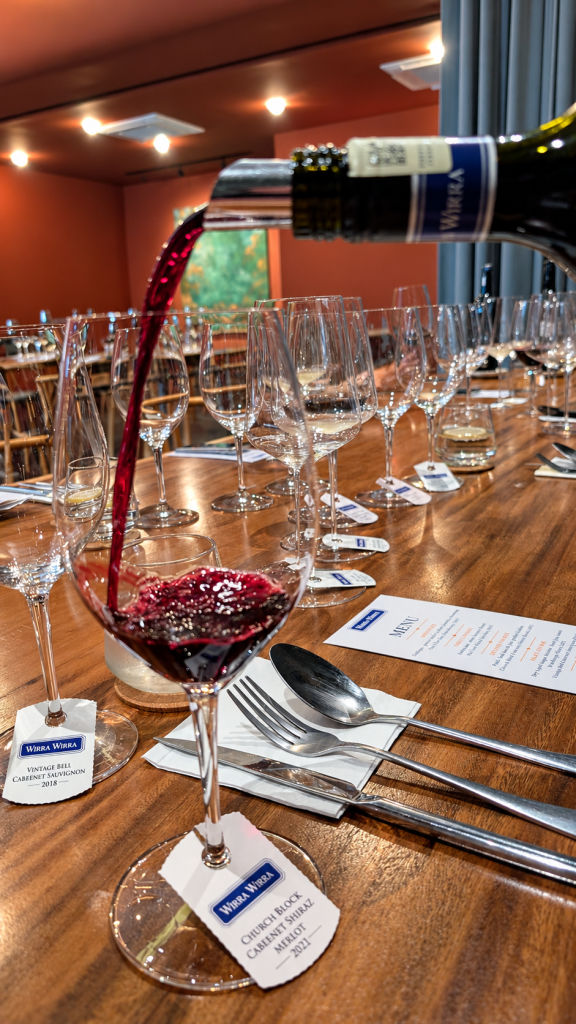
Despite The Absconder’s absence, we found both the line-up and the approach to be a fine one. Rather than simply presenting a succession of bottles, the well-paced meal gave us a chance to consider how the wines respond to food, how each variety expresses itself, and, from Deller’s storytelling, where Wirra Wirra sits within the wider McLaren Vale story. The following tasting notes take a closer look at all five, beginning with the whites. (Please note that bottle images may not correspond to the exact vintages we tasted.)
One Fine Day Chardonnay 2025
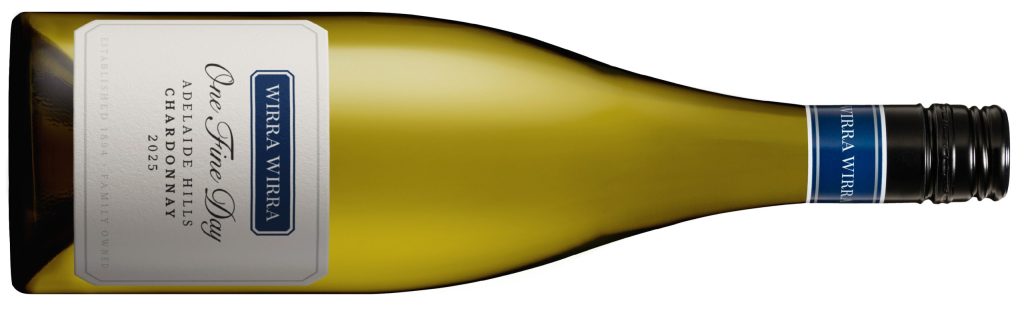
While based in McLaren Vale (which Deller importantly points out as a stretch of land that leads up from a body of water), Wirra Wirra also has wine estates in the cooler Adelaide Hills perched above the South Australian capital. The grapes for this lovely Chardonnay were handpicked and whole-bunch pressed, with the individual parcels kept separate before blending. The parcels matured in a mix of mostly stainless steel, with 40% French oak, of which only 5% was new.
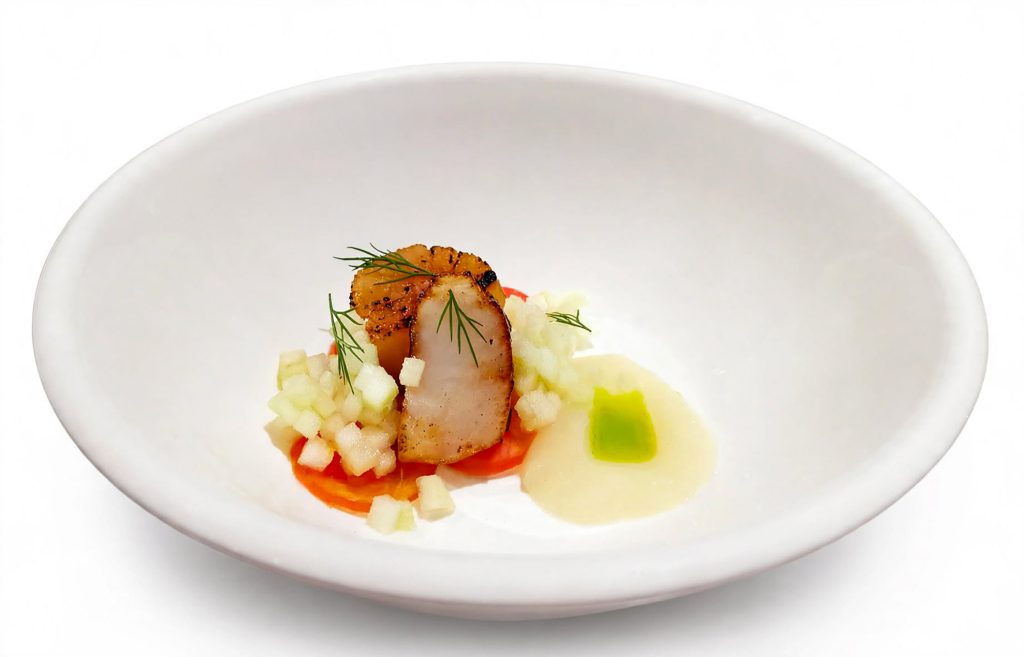
The oak contributes a subtle buttery note to the finish. It retains its fruity freshness of citrus and melons with an undercurrent of minerality. The Chardonnay proved an ideal match with a Hokkaido scallop accompanied by a finely diced green apple with a lychee and jasmine dressing.
The Lost Watch Riesling 2025
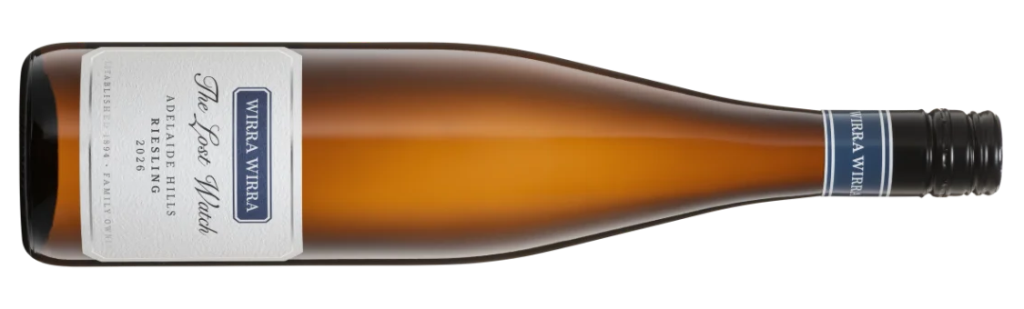
South Australia produces some of the country’s finest Rieslings, vinified bone dry unlike the sweeter styles originating from Germany’s Mosel region. The Lost Watch Riesling from Wirra Wirra is dominated by flavours of zesty lime and a distinct minerality. In 1947, a young Greg Trott, who would go on to become the estate’s founder, lost the watch his father had gifted to him. So impactful was this that he vowed to never own a watch again. He claimed to tell the time by the position of the sun, a noble yet impractical approach. As a result, Trott was frequently late for flights, meetings, tastings, and social gatherings.
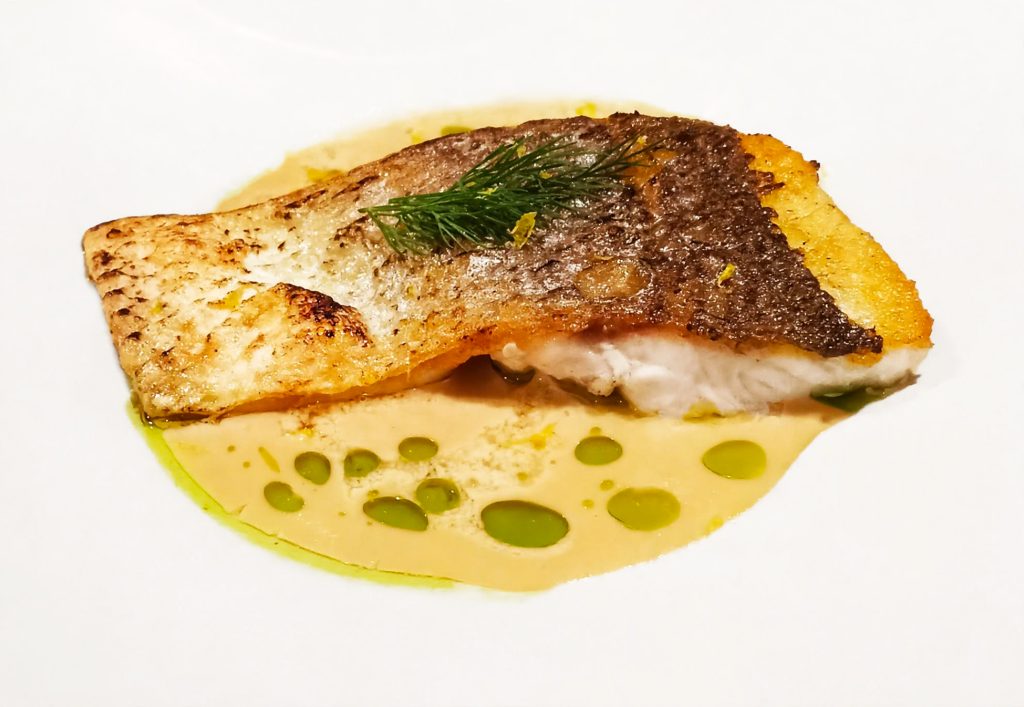
The wine whose name is taken from this story arrived with a first course of seabream served with miso beurre blanc was timely – no pun intended – and proof of the versatility of Riesling with seafood. The fruit for this wine is sourced from the cooler climate Adelaide Hills and often, from a single vineyard (though we had the 2025, the almost-as-recent 2024 was obtained from a single vineyard near the Lobethal township). We liked this wine for its fresh citrus and floral nose. On the palate, the wine concludes with a flinty acidity that delivers a crisp, refreshing finish.
Church Block Cabernet Shiraz Merlot 2022
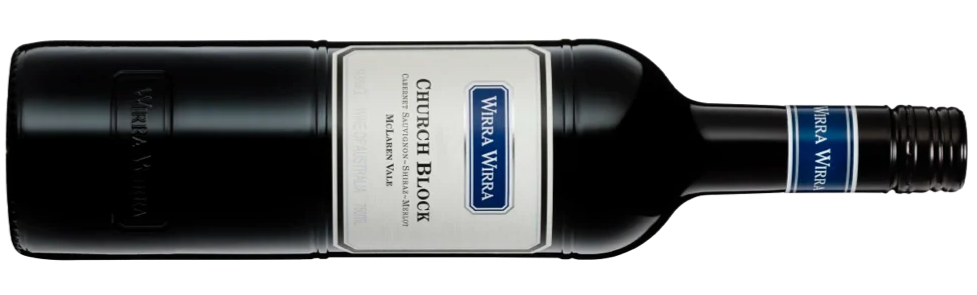
This iconic Aussie wine celebrates 50 years since the late Greg Trott produced the first vintage. He took the name from one of the original vineyards, next to the small Bethany Church and just across the road from Wirra Wirra’s century-old ironstone cellars. The wine has become an Australian favourite, highly regarded for quality and affordability.
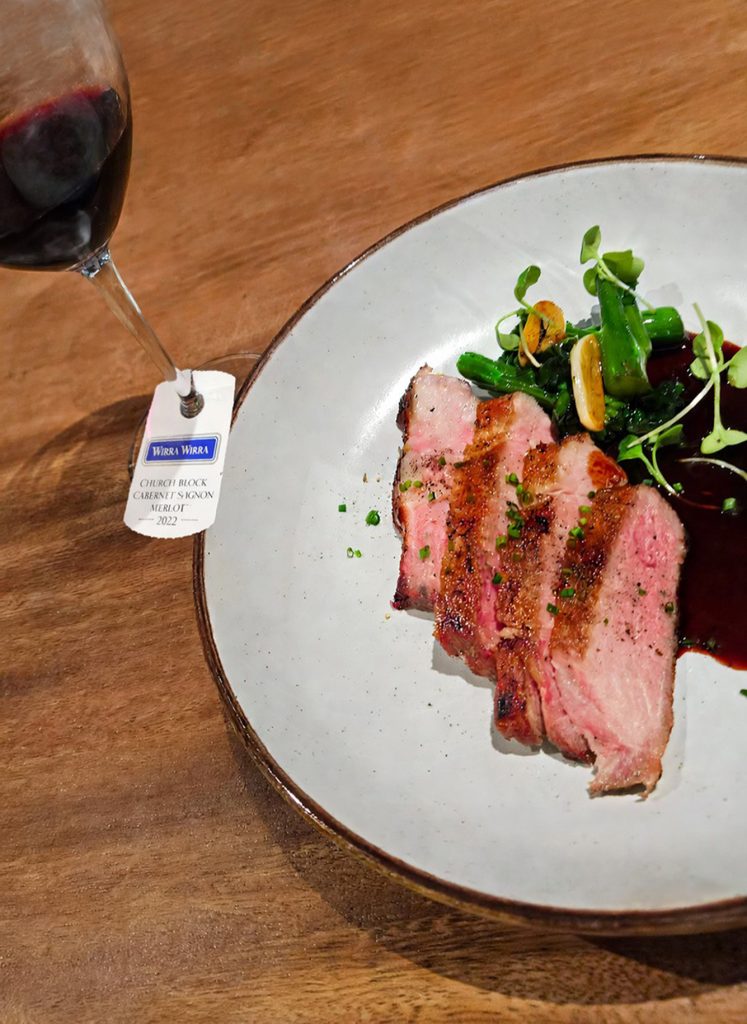
The 2022 vintage is a blend of Cabernet Sauvignon (51%), Shiraz (42%), and Merlot (7%), with classic flavours of blackberry from the Cabernet Sauvignon that combine well with elements of herbs and plums from the Shiraz and Merlot. At 14.5% ABV, this is a fairly big wine which was matured for an average of 12 months using a combination of new and seasoned French and American oak. Deller says it has a cellar life of up to 15 years, if you can wait that long! The very well-received cuvée accompanied a dish of pork with a subtle bak kut teh jus and grilled kalian.
Woodhenge Shiraz 2022 and Vintage Bell Cabernet Sauvignon 2018
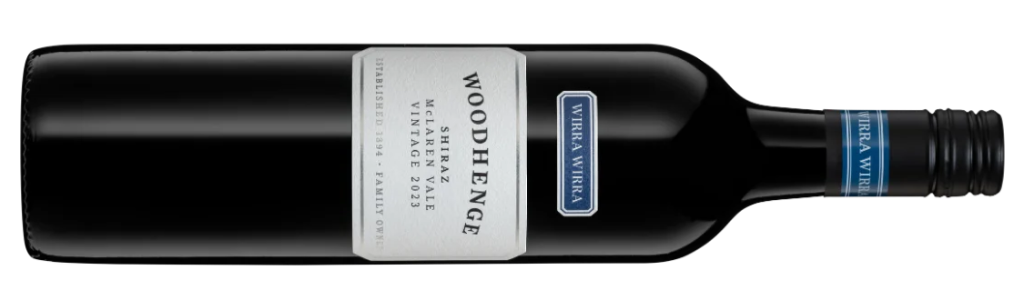
South Australian Shiraz captured the attention of global connoisseurs when influential wine scribe Robert Parker fell in love with them back in the 1990s. He favoured rich, thick, and full-bodied blockbuster-style Shiraz from warm-climate regions like South Australia’s Barossa Valley. Winemakers eagerly made wines both to satisfy Parker’s cravings and to appeal to those who religiously followed his guidance. Palates have changed, and more restrained, cooler-climate styles now complement traditional, opulent warm-climate Shiraz. Woodhenge is a rich and concentrated wine with flavours of plum and cacao, with silky tannin developed during maturation in hogsheads and barriques (23% new French oak and 10% American oak for 18 months).
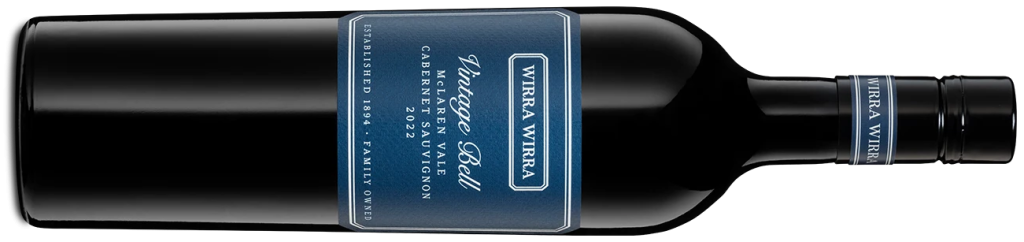
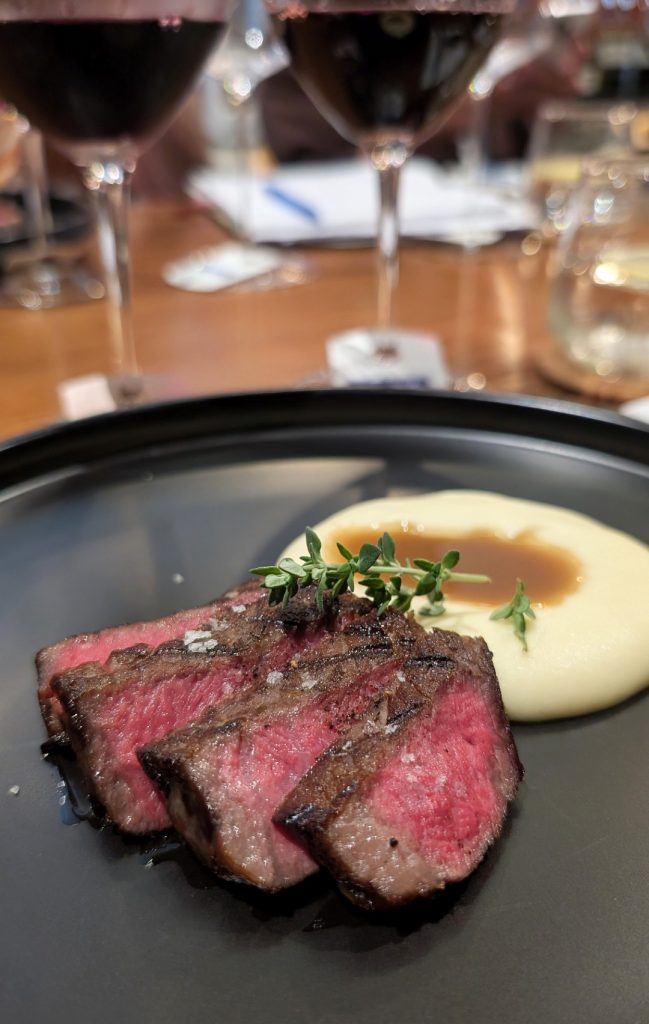
The Shiraz and Vintage Bell Cabernet Sauvignon were served with a fine cut of dry-aged Angus sirloin with herb jus and mashed potato. The Vintage Bell is reserved for only exceptional parcels of Cabernet Sauvignon, with the 2018 vintage sourced from a single vineyard, Yan Yarrah in the Onkaparinga Hills.
The 2022 Woodhenge Shiraz delivered generous McLaren Vale character, with ripe plum and blackberry fruit, dark chocolate, licorice, and savoury oak notes. Full-bodied and plush, with a warming spice edge and structured tannins, we felt it made a natural partner for the dry-aged Angus sirloin.
The celebrated 2018 Vintage Bell Cabernet Sauvignon, meanwhile, offered a more structured, elegant expression, combining blackcurrant and cassis with plum, subtle herbal notes, cedar, and perhaps a hint of chocolate. Fine tannins and a backbone of well-integrated French oak gave the wine depth and balance. This also paired very nicely (to no one’s surprise), complementing the sirloin’s rich, concentrated flavor without overwhelming it.
The meal at The Chinois concluded with a rich, creamy crème brûlée. The Lost Watch Riesling, in the absence of any true dessert wine, made an acceptable pairing with the rich custardy dish. However, it’s not as if sweet wines aren’t an option. In discussions, Deller mentioned that Hahndorf Hill, part of the Wirra Wirra family of wineries, makes a dessert wine called Green Angel Late Harvest, which we believe many Malaysian connoisseurs would love to enjoy at the end of their meal.
Additional text and photos by David Bowden