



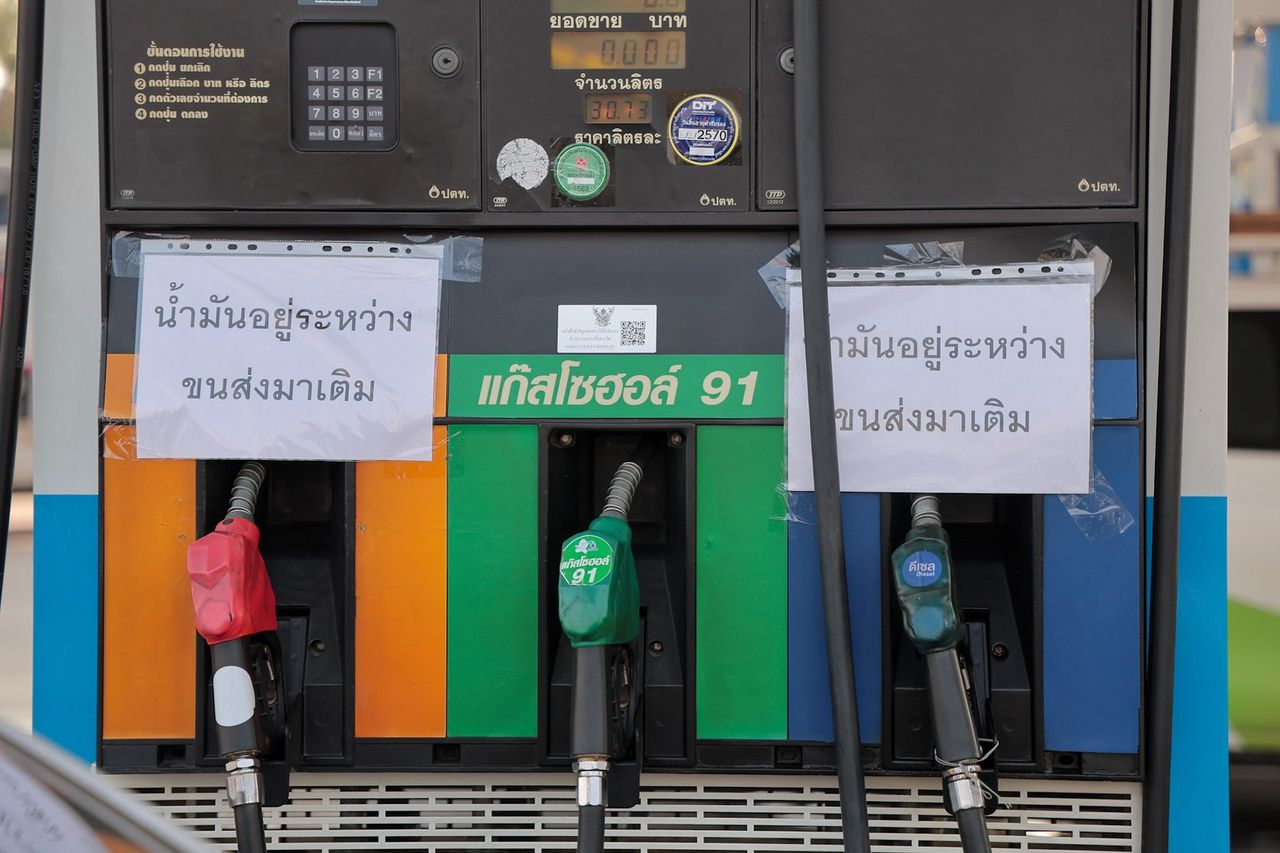
Fuel shortages in southern Thailand are disrupting travel plans, with rationing, station closures, and rising prices prompting caution for those planning cross-border trips by car this festive season.
Travellers planning to drive from Malaysia into southern Thailand, particularly over the long Hari Raya Aidilfitri holiday weekend, are being advised to reconsider or delay their plans, as fuel shortages in key border provinces continue to disrupt normal travel conditions.
Reports from areas popular with Malaysian visitors, including Satun, Hat Yai, and parts of Narathiwat, indicate that petrol stations are either running low on supply, imposing strict purchase limits, or temporarily closing after exhausting their daily quotas. The situation is linked to broader geopolitical tensions in West Asia involving Iran, the United States, and Israel, which have affected global oil flows and tightened regional supply chains.
While cross-border travel typically surges during festive periods, the current environment presents a number of practical challenges. Increased traffic from Malaysia, combined with local demand and precautionary stockpiling, has placed quite a bit of additional strain on already limited fuel supplies. There are also concerns that Thai authorities could introduce further restrictions, including limiting fuel purchases for foreign-registered vehicles, should the situation worsen.
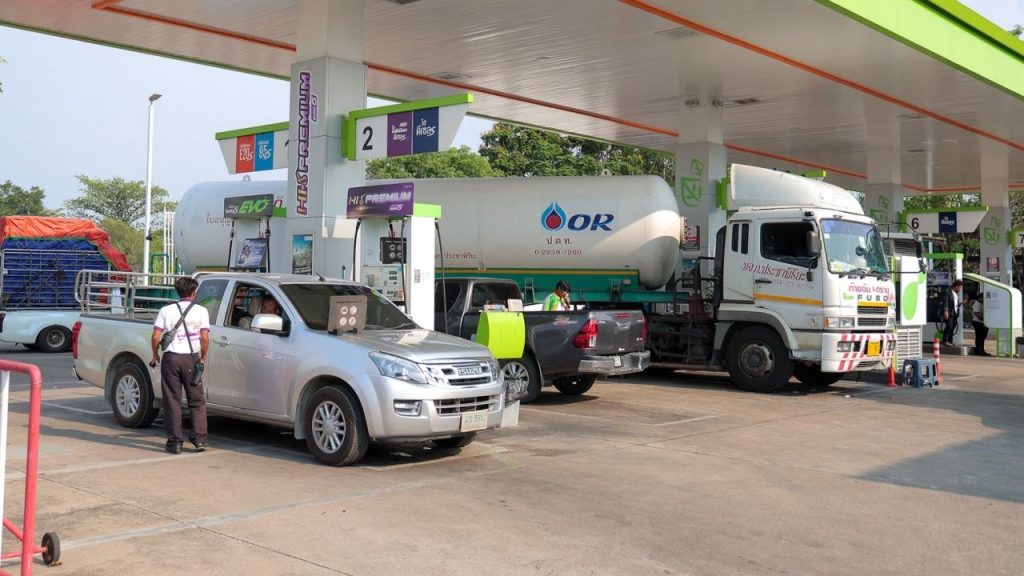
On the ground, travellers are already encountering constraints. Tourism operator Abdul Halim Othman, a Malaysian based in Satun, said many petrol stations are limiting purchases to 500 baht (approximately RM60) per refill for cars or vans.
“For motorcycles, only 50 baht (around RM6) worth of petrol is allowed per vehicle. Motorists should ensure they have sufficient fuel supply throughout their journey. If they plan to drive up to 300km, such as to Krabi or Phuket from the border, drivers should refill whenever their fuel tank drops to about three-quarters full and not wait until it is nearly empty, as we do not know what might happen,” he said.
His advice reflects a broader shift in travel habits under constrained conditions. Rather than relying on the usual network of readily available petrol stations, motorists are being encouraged to adopt a more cautious approach, topping up frequently and planning routes with fuel availability in mind.
POSTPONEMENT MAY BE THE WISE CHOICE
For those without confirmed accommodation or travel arrangements, postponement could prove to be the more prudent option. Abdul Halim noted that travellers heading to destinations further from the border could face increased difficulty if supply disruptions persist.
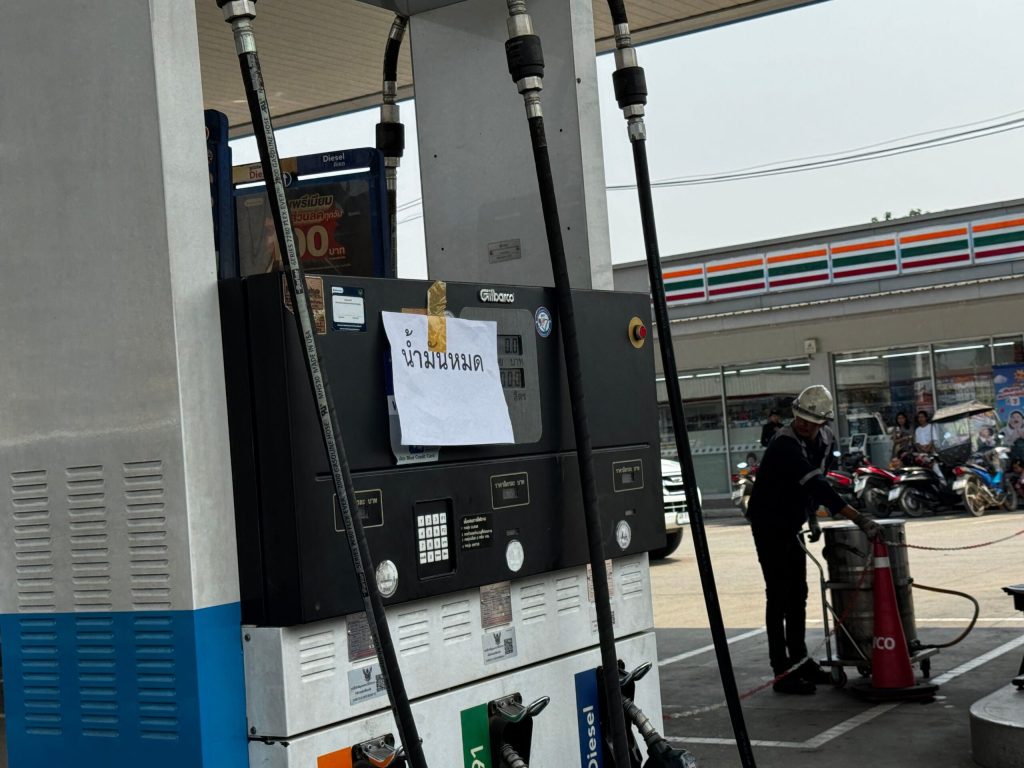
Local transport operators are also feeling the impact. A Thai van driver identified as Hafis described the situation as increasingly difficult, with many petrol stations either closed or operating under strict quotas.
“Many petrol stations have temporarily closed after running out of fuel, while those still operating are selling fuel under quotas – 500 baht for cars and 50 baht for motorcycles.
“Some stations are also left with only premium fuel priced at 43.80 baht (about RM5.30) per litre for diesel and 40.40 baht (around RM4.89) per litre for petrol, as cheaper fuel has already run out,” he said.
The shortage of more affordable fuel options has added another layer of cost pressure for both residents and visitors. In some cases, transport providers have been forced to postpone or cancel bookings altogether, affecting tourism activity during what is usually a peak travel window.
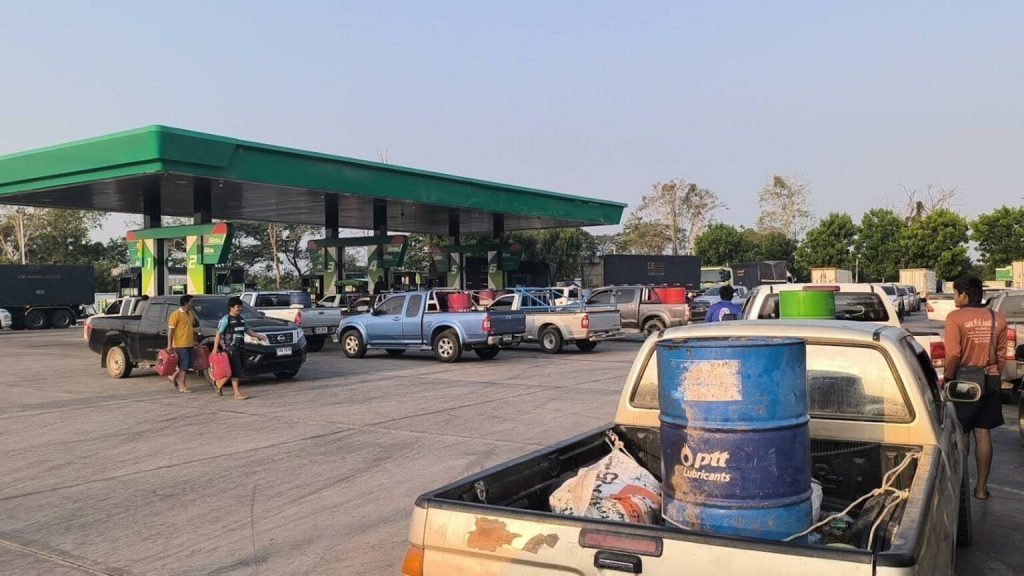
A survey conducted in Narathiwat found that demand has surged in recent days, with residents rushing to secure fuel amid uncertainty. This has led to panic buying in some areas, further accelerating shortages and prompting operators to ration available supplies.
Local consumers have begun voicing concerns. Teacher Fozan Wansaman said many petrol station operators have cited reduced delivery quotas from suppliers as the primary cause of the shortage.
“For example, a petrol station that previously sold 16,000 litres a day is now receiving only 9,000 litres from suppliers. This includes diesel as well as Gasohol 91 and 95, which has resulted in insufficient supply,” he said.
SUPPLY CHAIN DISRUPTIONS MAKING AN IMPACT
Such reductions highlight the fragility of supply chains during periods of global disruption, particularly in regions that rely heavily on imported fuel or refined products.
The impact is already visible in the tourism sector. Aida Oujeh, president of the Thailand-ASEAN Halal Tourism and Trade Association, said hotel bookings from Malaysian travellers for the Aidilfitri period have reached only about 40% so far.
This marks a notable decline from typical festive periods, when hotels in southern Thailand – especially in Hat Yai – are often fully booked well in advance. The combination of fuel uncertainty, rising costs, and logistical challenges appears to be dampening travel demand.
For residents in Malaysia, including expats who regularly travel across the border, the situation underscores the importance of staying informed and flexible. Those who still intend to travel should plan routes carefully, monitor local conditions, and allow for contingencies, particularly when venturing beyond border towns.
Sources: The Malaysian Reserve, Utusan Malaysia, regional media reports