

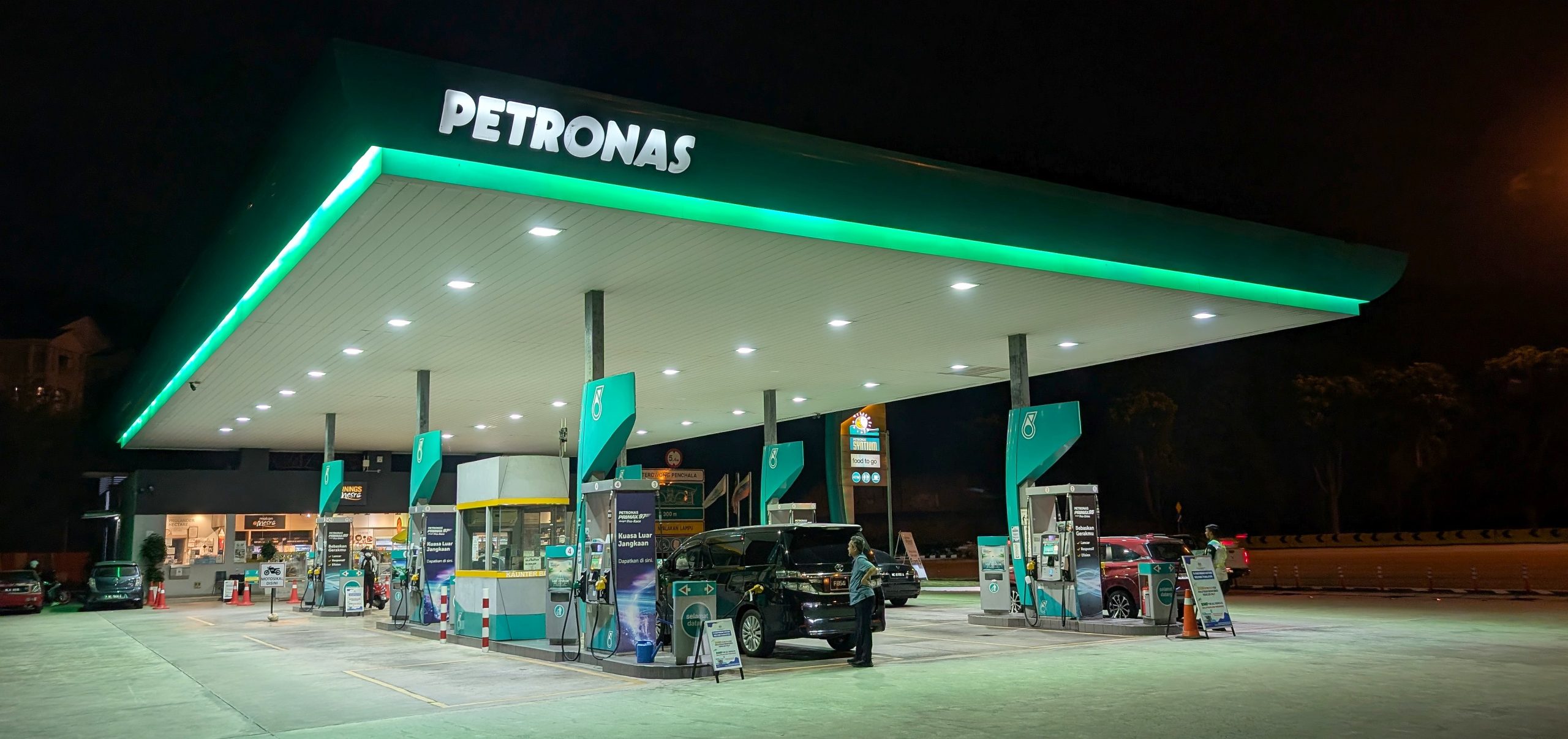
As videos of alleged fuel subsidy abuse go viral, industry players warn that public vigilantism is leading to an increase in confusion, anxiety, and unnecessary confrontation at petrol stations across Malaysia.
A growing wave of viral videos showing individuals allegedly abusing Malaysia’s fuel subsidy system has prompted a clear message from industry stakeholders: the public should not take enforcement into their own hands.
According to the Petroleum Dealers Association of Malaysia (PDAM), recording and sharing such incidents online – often without consent or full context – is creating confusion and, in too many cases, unfairly targeting both petrol station operators and legitimate consumers.
Its president, Datuk Khairul Annuar Abdul Aziz, noted that the rules governing subsidized fuel purchases are more nuanced than many realize.
“Foreigners and permanent residents without MyKad are still allowed to buy unsubsidized RON95, provided they are using locally-registered vehicles,” he said.
“It is the vehicle plate, not the nationality.”
The clarification comes amid heightened scrutiny following recent amendments under the Control of Supplies Act 1961, which came into effect on April 1. Under the revised framework, vehicles bearing foreign registration plates are required to use RON97, while locally registered vehicles – regardless of the driver’s nationality – may still purchase RON95, albeit at unsubsidized rates if they are not eligible for targeted subsidies such as BUDI95.
Khairul Annuar welcomed the amendment, noting that it shifts accountability more appropriately.
“This marks an important step towards a more balanced and fair enforcement framework,” he said, adding that the focus is now on drivers who deliberately exploit the system, rather than placing undue burden on petrol station operators.
Malaysia Fuel Rules Explained
Fuel grade follows the vehicle:
RON95 is only for Malaysian-registered vehicles, whether sold at subsidized or unsubsidized prices.
Subsidy follows the person:
Only eligible Malaysians can purchase RON95 at the subsidized price (e.g. BUDI95).
Foreign vehicles:
Vehicles with foreign registration plates must use RON97.
Foreign drivers:
Foreigners driving Malaysian-registered vehicles may use RON95, but will be charged the unsubsidized price.
Key takeaway: It’s the vehicle’s registration that determines the fuel type allowed, and the person that determines subsidy eligibility.
THE VIRAL VIDEO PROBLEM
Despite these clarifications, confusion persists – and social media is unsurprisingly playing a significant role.
A petrol kiosk operator, who declined to be named, described the challenges posed by viral videos showing “foreign-looking individuals” filling up with RON95.
“When a foreigner fills RON95 at the kiosk, people start recording videos and taking photos and even mentioning the station’s location. Then, it goes viral,” he said.
“They do this without even checking if the vehicle carries a foreign registration plate or not.”
The consequences are not trivial. Operators report being subjected to unnecessary scrutiny and inquiries from authorities triggered by these videos, even when no wrongdoing has occurred.
“When the videos go up, we get questioned by the authorities for no reason,” the operator added, noting that staff are already under pressure to monitor compliance with fuel regulations.
In effect, what is intended by some as a form of civic vigilance is instead creating additional strain on a system that already has designated enforcement mechanisms in place.
BEYOND THE PUMP: REAL-WORLD IMPACT
For individuals caught on camera, the experience can be unsettling.
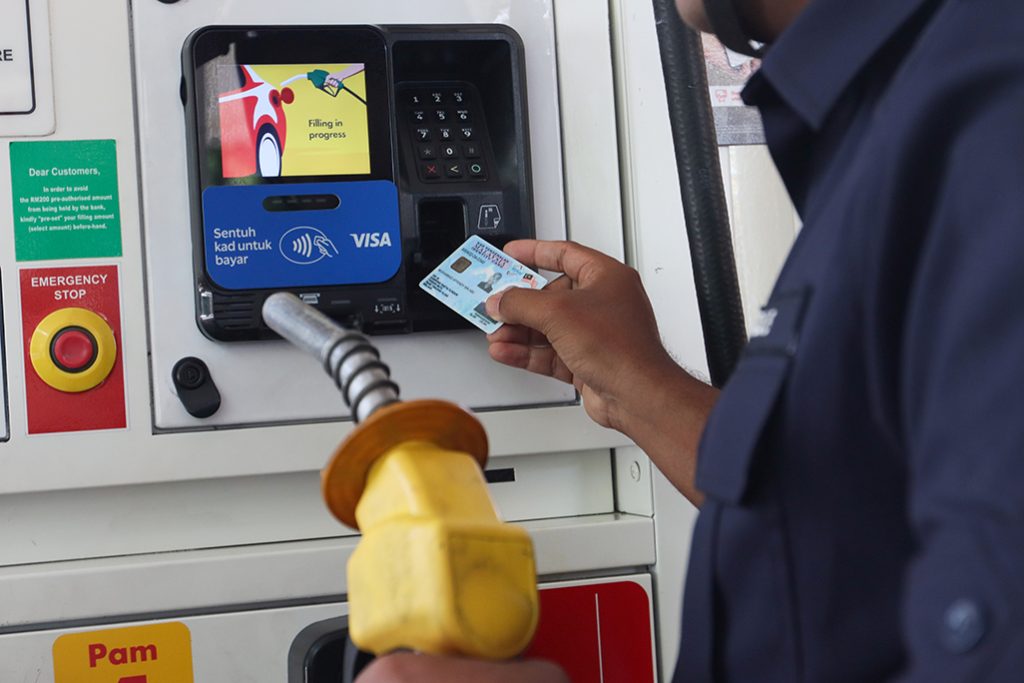
Construction worker Ameen Habeeb Khan, a Bangladeshi national working in Malaysia, has found himself the subject of suspicious glances when refuelling his motorcycle – a vehicle loaned to him by his employer.
“People look at me like I am doing something wrong,” he said.
“My salary is not much and I have to send money back home to support my family. My boss lends me a motorcycle to go to work. I certainly cannot afford RON97.”
Like many foreign workers, Ameen does not hold a MyKad and is therefore not eligible for subsidized RON95 under targeted schemes. However, he is legally permitted to purchase RON95 at the unsubsidized rate, provided the vehicle he uses is locally registered.
That distinction, while clear in policy terms, is often lost in the court of public opinion – particularly when filtered through a smartphone camera and a viral post.
Similarly, Indonesian cleaner Ayu Delimawati Samadi recounted being denied service at a petrol station despite complying with the rules.
“I had to leave and fill up at another petrol station,” she said, after being told she was required to use RON97.
Ayu added that many foreign workers now feel uneasy when refuelling, concerned that they may be filmed and accused online of wrongdoing.
This growing sense of anxiety points to a broader issue: when policy details are not widely understood, informal enforcement by the public can quickly lead to misjudgment and unnecessary confrontation.
A QUESTION OF RESPONSIBILITY
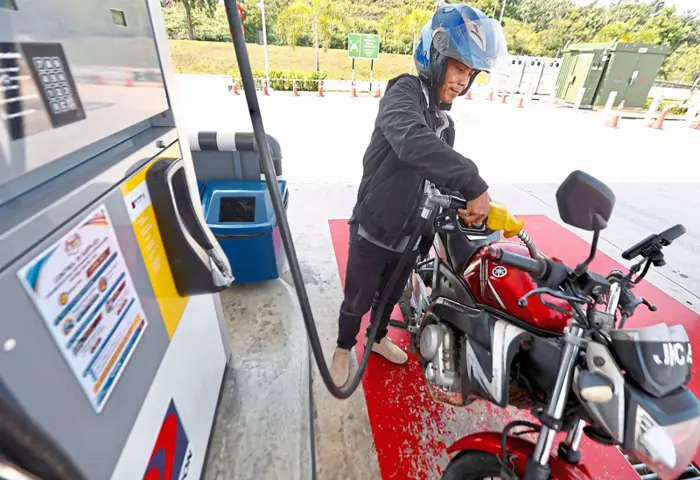
Malaysia has clear authorities tasked with enforcing fuel subsidy regulations, including the Ministry of Domestic Trade and Cost of Living and other relevant agencies. These bodies are equipped to investigate, verify, and act where necessary.
By contrast, members of the public, armed only with partial information, are not in a position to make such determinations – yet social media can amplify their assumptions with remarkable speed.
The result is a form of digital vigilantism that, while perhaps well-intentioned in some cases, risks undermining both fairness and due process.
There is also a practical consideration. Identifying whether a transaction is compliant requires more than a glance at the person pumping fuel. Vehicle registration, subsidy eligibility, and pricing tiers all come into play – factors that are not readily apparent in a short video clip.
BETTER COMMUNICATION, FEWER CONFRONTATIONS
The situation also raises questions about how clearly these policies are being communicated to the public.
While the regulations themselves are not particularly complex, their implementation – especially the distinction between subsidized and unsubsidized RON95 – may not be fully understood by the average motorist.
Clearer, more visible guidance at petrol stations, along with broader public awareness efforts, could go some way towards reducing misunderstandings. When people are better informed, there is less room for speculation – and less incentive to make assumptions or intervene based on incomplete assumptions.
In the meantime, the message from industry stakeholders is straightforward: leave enforcement to the authorities.
Recording strangers, making accusations, and sharing them online may generate attention, but it does little to address the actual issue – and, in many cases, creates new problems altogether.
SOURCES: The Star; The Straits Times