


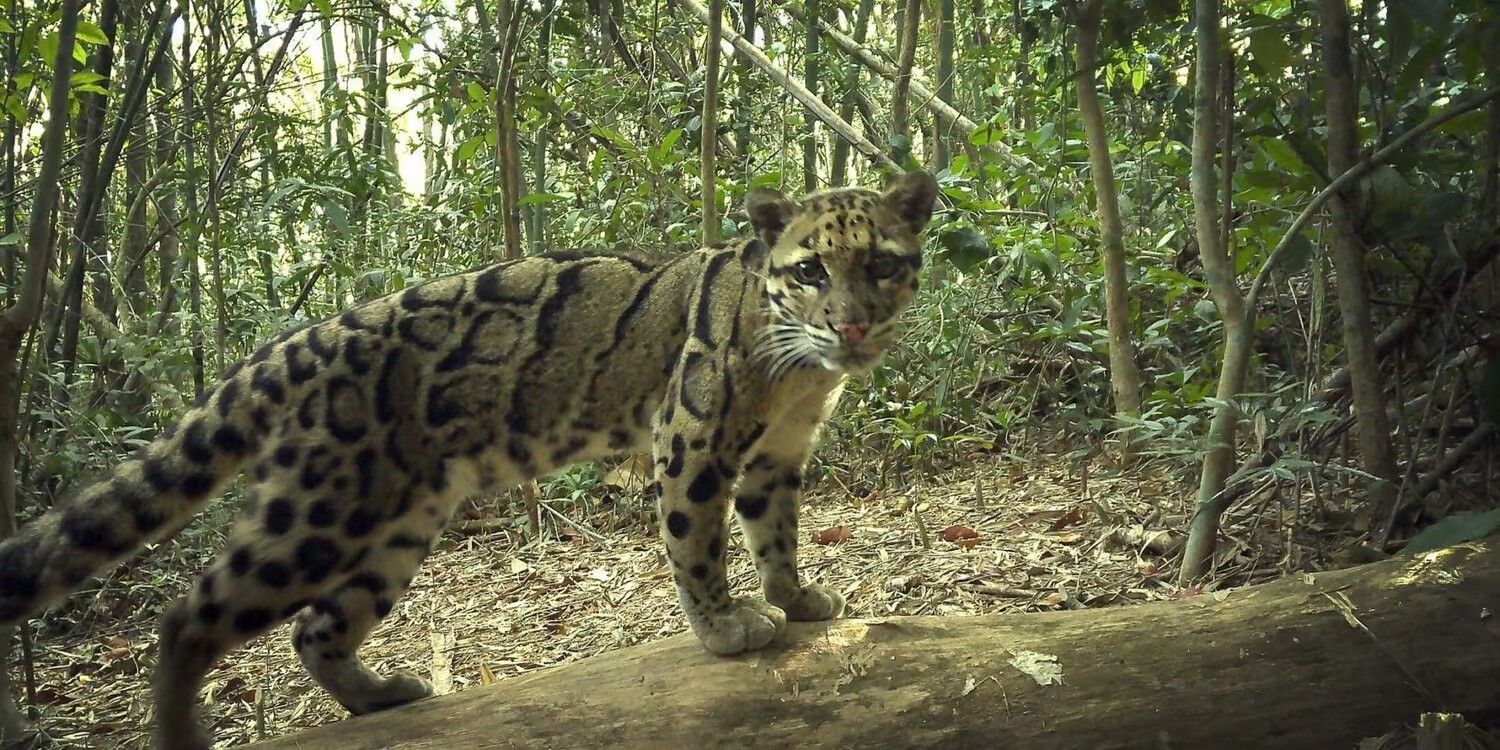
A year-long survey across the Annamite range highlights Southeast Asia’s extraordinary biodiversity – and the urgent need to protect one of the region’s last great forest ecosystems.
A sweeping camera trap survey conducted throughout 2025 has shed new light on the remarkable biodiversity of the Annamite Mountains, one of Southeast Asia’s most ecologically significant – and increasingly threatened – forest landscapes. Stretching approximately 1,100 km across Laos, Vietnam, and northeastern Cambodia, the range has long been recognized by conservationists as a critical refuge for rare and endangered species.
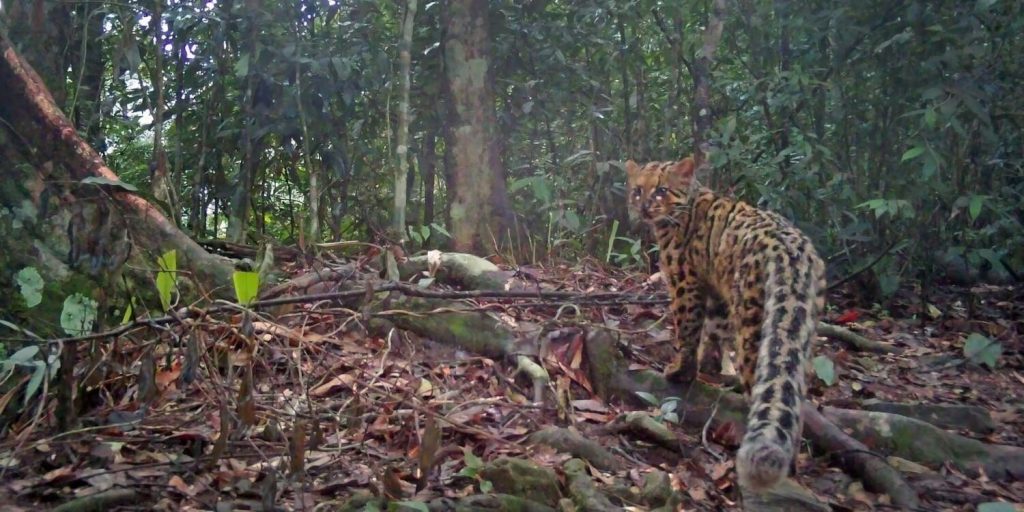
The latest findings reinforce that reputation. Across multiple protected forest zones, camera traps captured images of elusive wildlife rarely seen by humans, offering a rare glimpse into ecosystems that remain largely hidden despite decades of scientific interest.
The survey was led by Fauna & Flora’s Cambodia programme, working in partnership with the Cambodian Ministry of Environment and provincial authorities in Ratanakiri. Crucially, local Indigenous communities played a central role in the project, assisting with the placement of cameras, transporting equipment across difficult terrain, and retrieving memory cards from remote locations deep within the forest.
That collaboration proved essential. The Annamites are not easily accessible, and much of the terrain remains rugged and isolated. By combining scientific expertise with local knowledge, researchers were able to deploy camera traps in areas that might otherwise have been overlooked.
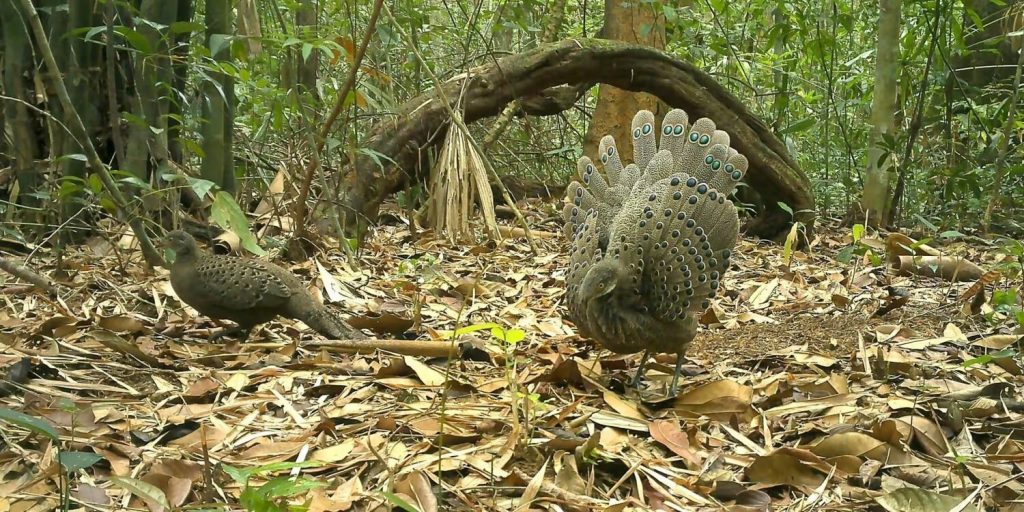
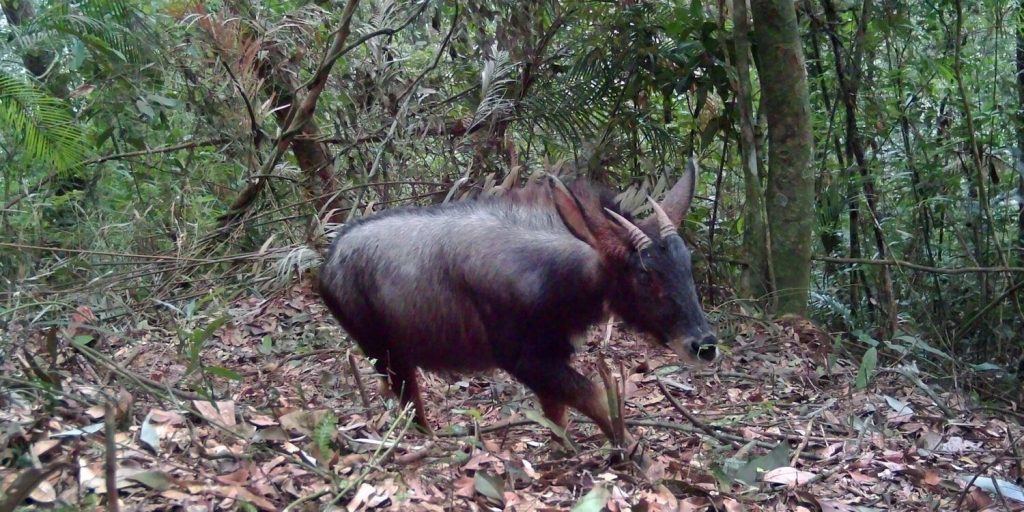
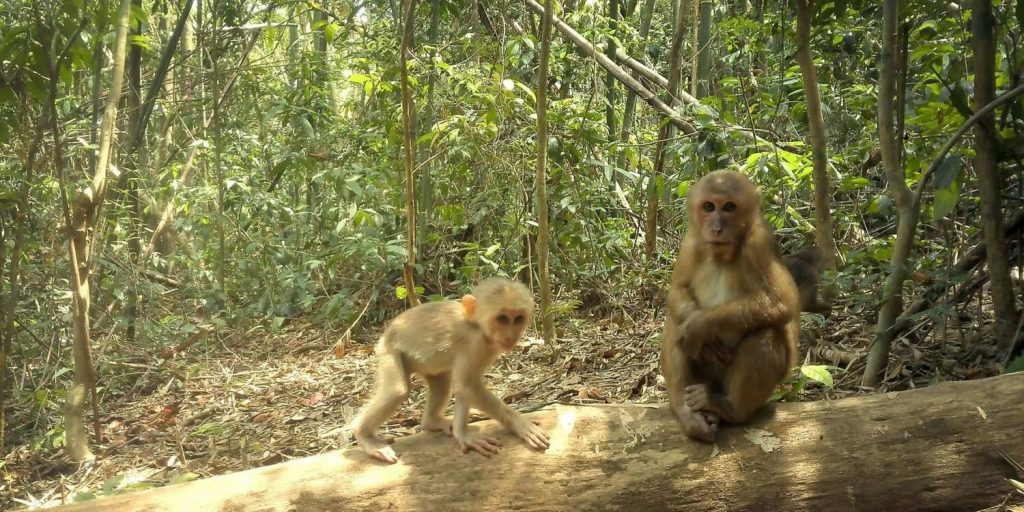
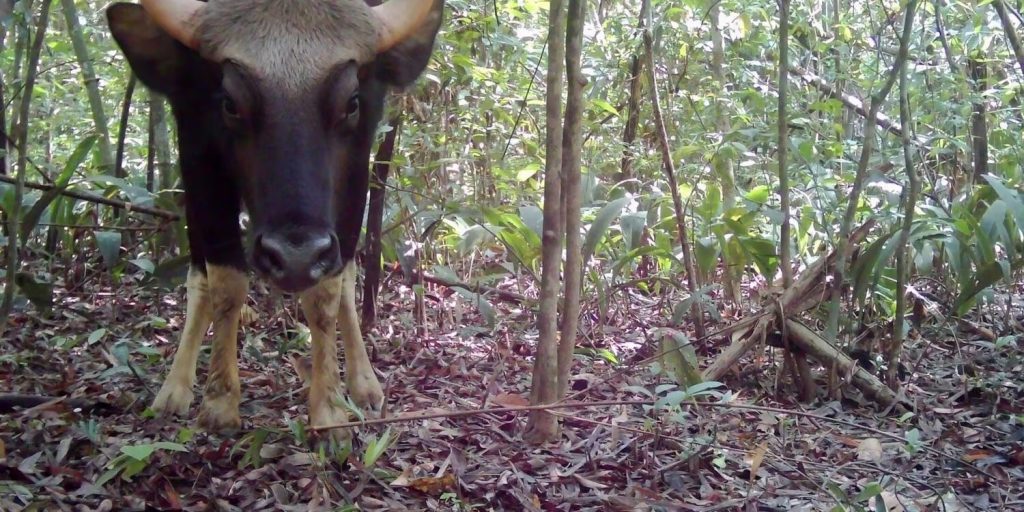
The results were striking. Among the species recorded were Asian elephants, dholes, clouded leopards, marbled cats, stump-tailed macaques, and grey peacock-pheasants – a diverse cross-section of Southeast Asia’s forest fauna. The footage also captured two sun bears interacting playfully, a rare behavioural moment involving a species more commonly known for its solitary nature. Recognizable by the orange-yellow marking on its chest, the sun bear is one of the region’s most distinctive, yet least observed, mammals.
Perhaps most notable was the appearance of the Annamite striped rabbit, an endangered species named after the mountain range itself. Only identified by science in 1996, the animal has remained largely elusive ever since, with very few confirmed sightings. Its presence in the survey is a significant indicator of the region’s continued ecological value.
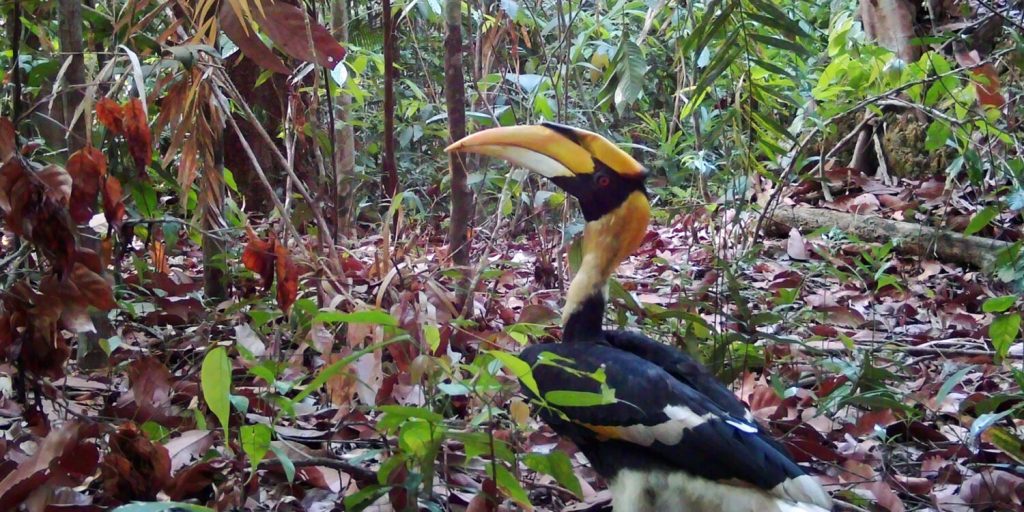
Birdlife also featured prominently, including the great hornbill – a species widely regarded as a marker of healthy forest ecosystems. Its presence suggests that, despite mounting pressures, parts of the Annamites remain sufficiently intact to support complex and interdependent wildlife populations.
“The Annamites mountain range is alive with a host of incredible creatures, each playing a critical role in maintaining the forest ecosystems that are vital to the health of our planet,” said Gareth Goldthorpe, Senior Technical Adviser, Asia-Pacific at Fauna & Flora. “This camera-trap data allows us to discover some of the Annamites’ rarest species, while also understanding more about their behavior, preferred topography, and their interactions with human settlements.”
For Southeast Asia, the findings carry particular weight. The region has experienced some of the world’s highest rates of deforestation and habitat loss over recent decades, driven by agricultural expansion, infrastructure development, and resource extraction. Against that backdrop, the Annamites stand out as one of the last large, contiguous forest systems still capable of sustaining a broad range of wildlife.
Yet the survey also underscores how fragile that status has become. Data collected over the course of the study points to ongoing threats that continue to place pressure on the ecosystem. Habitat encroachment and fragmentation remain persistent challenges, gradually reducing the size and connectivity of forest areas. Even more concerning is the widespread use of snares – simple but highly effective traps that can decimate animal populations in a relatively short period.
Unlike more visible forms of poaching, snaring often goes undetected until significant damage has already been done. These traps do not discriminate, capturing any animal that triggers them, from small mammals to large predators. As a result, even forests that appear intact can suffer sharp declines in wildlife numbers.
Fauna & Flora has been working in the Annamite region since the 1990s, focusing on long-term conservation strategies that combine scientific research, policy engagement, and community involvement. The latest survey builds on that foundation, providing updated data that can inform future protection efforts.
The involvement of local communities remains a key factor. Indigenous groups living in and around the forests often have a deep understanding of the landscape, making them valuable partners in conservation initiatives. Their participation not only improves the effectiveness of projects like this one, but also helps ensure that conservation efforts are sustainable over the long term.
More broadly, the survey highlights a central reality for Southeast Asia. The region still holds pockets of extraordinary biodiversity, but these are under increasing pressure. Protecting them requires not just awareness, but coordinated action across borders, sectors, and communities.
The Annamite Mountains, spanning three countries, are a case in point. Wildlife does not recognize national boundaries, and conservation efforts must reflect that. Collaborative initiatives, supported by governments, NGOs, and local stakeholders, will be essential if the region is to preserve what remains of its natural heritage.
At the same time, the images captured over the past year offer a reminder of what is at stake. From elusive rabbits to apex predators, the forests of the Annamites continue to support a rich tapestry of life. Maintaining that diversity will depend on sustained commitment, effective enforcement, and continued investment in conservation.
All images credited to Fauna & Flora
SOURCES: Fauna & Flora; Cambodia Ministry of Environment. To learn more about the survey and see more photos, you can visit Fauna & Flora’s site HERE.