


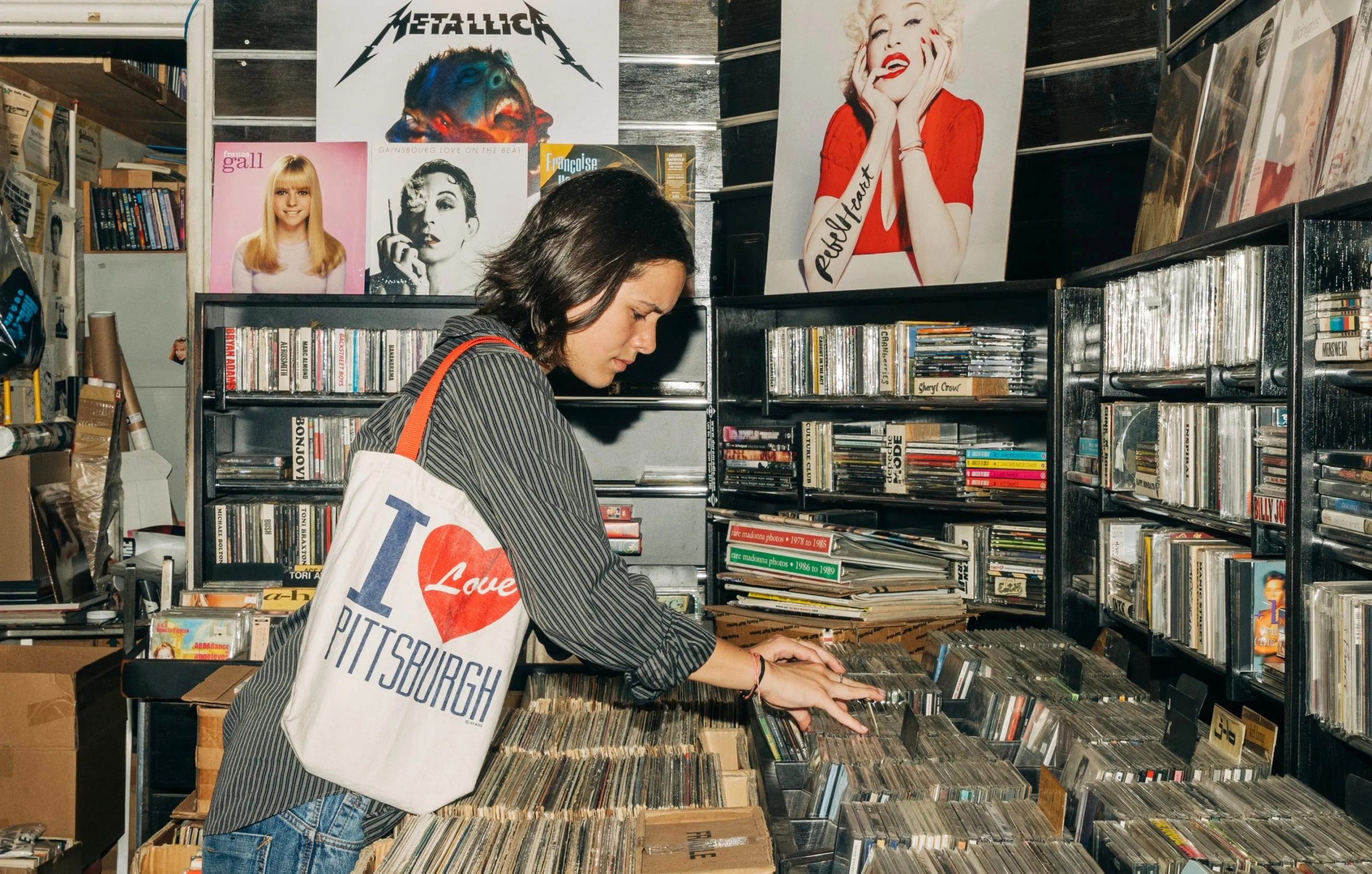
Vinyl records, CDs, dedicated cameras, cassette tapes, printed books, and even flip phones are finding new life with Gen Z. What looks at first like retro nostalgia may actually be a reaction to a world that has become just a bit too digital, too false, and too exhausting. Turns out Gen X had it right all along.
If you had told most Millennials 15 years ago that teenagers in 2026 would be enthusiastically buying vinyl records, carrying compact digital cameras, collecting CDs, and browsing second-hand bookstores for fun, they probably would have laughed into their iPods.
Yet here we are.
A curious cultural swing is taking place among Gen Z, the cohort that followed Millennials (less frequently branded as Gen Y), and it is increasingly clear that this is not merely some fleeting TikTok-driven aesthetic fad. Younger consumers around the world are embracing what many are calling “analog living” – a loose movement that embraces physical media, tactile experiences, slower rituals, and devices that do not constantly scream for attention every 14 seconds. These days, “analog islands” are the new safe space for digital natives.

And on behalf of those of us who grew up either before the digital revolution or in that sweet transition, just before the page turned to the 21st century, we can confidently tell the Gen Z kids looking for something tangible: We get it. And we’re here for you. We will dust off and drag out our own youth to meet yours and show you how awesome it once was.
In a world where almost everything now lives behind a screen, the old suddenly feels new again. But perhaps most curiously, it’s not Gen X pushing this narrative, trading on their own nostalgia. It’s the kids. Gen Z are the ones seeking out these experiences, perhaps as an antidote to a life that’s lived on screens, a life that often feels less than real. And that search for “analog authenticity” is making a true impact, more and more with every passing month.
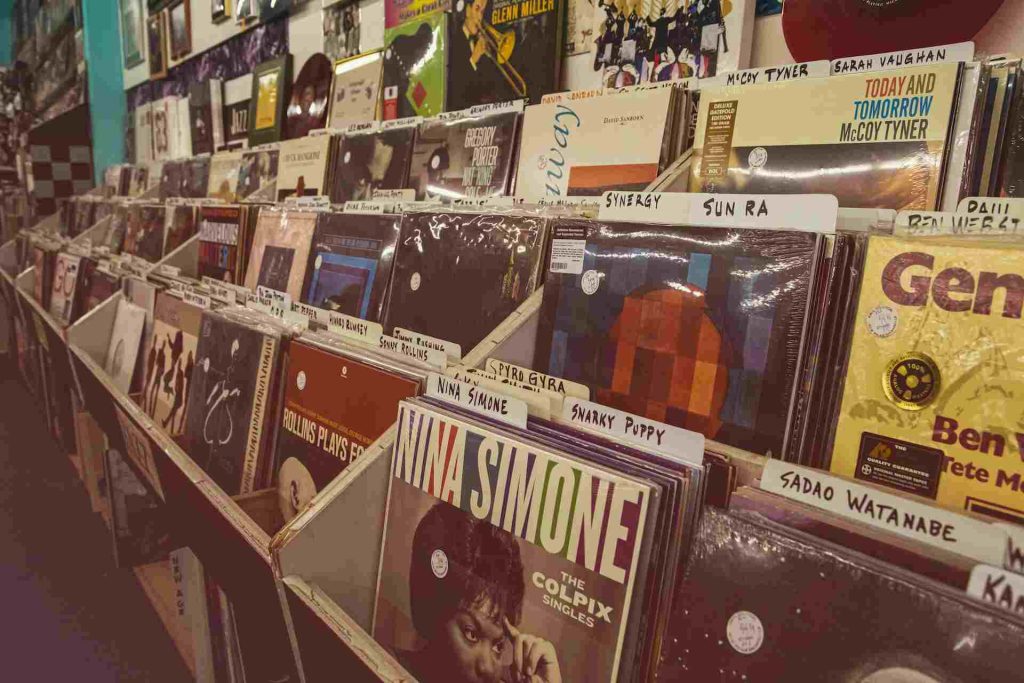
Vinyl sales continue to rise globally, including new releases – not just vintage albums. CDs, once declared thoroughly dead, are quietly making a comeback. (I still vividly remember my first CD player and even the very first CD I bought – back in 1985!) Film cameras and compact digital “digicams” from the early 2000s are becoming fashionable accessories again. Printed books are flourishing among younger readers. Wired headphones are increasingly favoured over wireless earbuds. Even cassette tapes – yes, actual cassette tapes – have managed to claw their way out of the technological graveyard. I keep waiting for the Sony Walkman to get popular all over again!
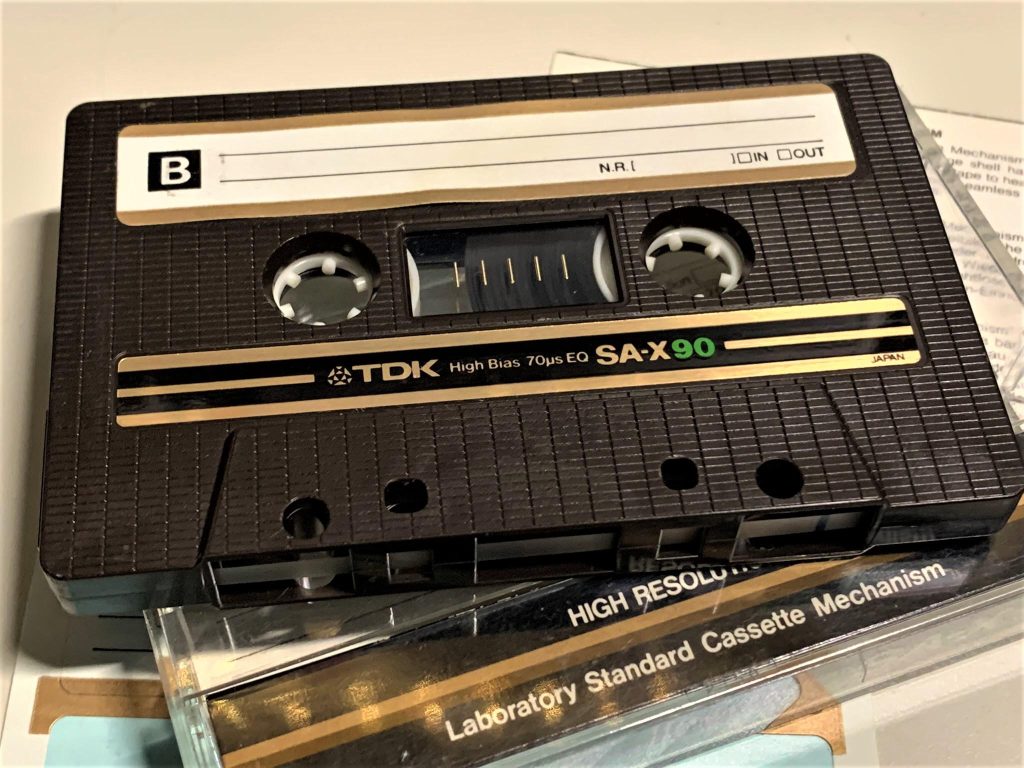
But really, how bizarre is all this?! If you grew up in the ’80s (or earlier), you surely never thought you’d see a cassette tape renaissance four decades later. But if you spent any of your teenage evenings using a boombox to make mixtapes for your crush, you may remember figuring out via trial and error what the best blank tapes were. Memorex? Maxell? TDK? For me, it was the latter. The TDK SA-X was absolutely my blank cassette of choice, and judging by prices on the market today – a shocking US$20-40 is common – I wasn’t alone. It was simply a superior product. Given the resurgence in consumer-driven popularity, I wouldn’t be that surprised to see high-quality blank cassettes making a comeback.
Naturally, nostalgia plays a role. The whole pre-Y2K aesthetic remains wildly popular with younger audiences, and many of these objects admittedly do carry a certain retro cool factor. But nostalgia alone does not fully explain why Gen Z, a generation raised entirely online – and a full two generational cohorts removed from Gen X, whose lives were marked by these “emerging technologies” – is embracing products and habits that largely predate them by decades.
The bigger factor may simply be online fatigue and screen saturation. Or put more succinctly, digital exhaustion.
Gen Z has grown up in a horribly, permanently connected environment of notifications, algorithmic feeds, doomscrolling, endlessly targeted advertising, and performative social media pressures that seldom subside. Their phones are not merely communication devices; they are also entertainment systems, work tools, shopping platforms, cameras, newspapers, maps, payment systems, and anxiety delivery mechanisms. If you want to send a Gen Z kid into catatonic shock, just take their smartphone away. It’s not just a device to them; it’s an extension of their very self.
But not only is this digital saturation “less than real,” it’s largely endless. If you’ve ever jumped onto Instagram or Facebook for a minute or two, only to soon realize nearly an hour of scrolling and vaguely consuming largely meaningless content has gone by, you will understand the infinite loop of today’s digital ecosystem.
Analog experiences, however, offer something very different: limits. And oddly enough, those limits appear to be part of the appeal.
Take the sudden return of compact digital cameras, for example. According to reporting from BGR.com and several trend analysts, younger users are increasingly rediscovering early-2000s point-and-shoot cameras. At first glance, this seems bizarre. Modern smartphone cameras are objectively better in almost every technical sense. Yet many Gen Z users specifically prefer the imperfect, softer, slightly chaotic look of old digicam photos.
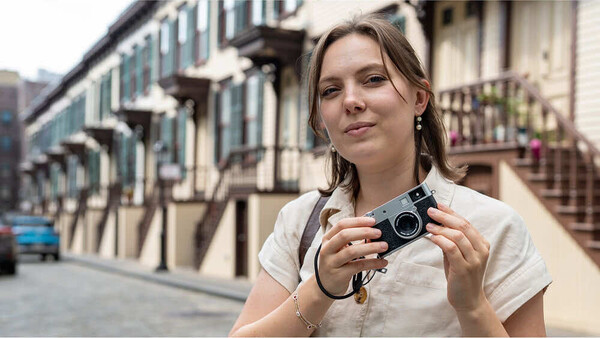
The graininess and blown-out flash somehow feel more “real” than the hyper-processed computational photography perfection produced by today’s smartphones. But many observers say there is more to it than aesthetics.
Using a dedicated camera changes the entire experience of taking photos. When someone pulls out a proper, dedicated camera, they are not instantly distracted by Instagram notifications, WhatsApp messages, breaking news alerts, work emails, or the irresistible urge to spend 25 minutes watching strangers organize their refrigerators or show you their workout routine on TikTok.
The camera does one thing. It takes photos. That is it.

There is also a certain intentionality involved. Smartphones encourage endless shooting because storage is effectively unlimited. You can take 70 nearly identical photos of brunch and delete 65 of them later. Older digital cameras, meanwhile, impose small but meaningful constraints. Users tend to think more carefully about framing, timing, and whether a moment is actually worth capturing.
As an ex-professional photographer, I definitely find truth in this. Digital photography, whether you’re using a pocket camera, a dSLR, or a smartphone, still spoils us by offering the luxury of relatively undisciplined, indisciminate shooting. When I was a young photographer, shooting on my Nikon 35mm or Mamiya medium-format cameras, every press of the shutter actually cost money. Slide film, print film, processing… there was a genuine hard cost. And even going into the field, you had to manage your physical stocks of film because the number of frames you could shoot was limited. If you were lucky, you could squeeze out an extra shot on that 36-exposure roll of 35mm film, or that roll of 120 film.
In the digital era, however, “point and shoot” is effectively free. I literally have tens of thousands of images stored in the cloud on my Google Photos account. And many of them are unmemorable at best, rubbish at worst. I will plainly and honestly say, the quality of my photos – and likely my very ability as a photographer – have absolutely diminished since the advent of digital photography. I look at my portfolios of landscape and nature photography from the 1990s and compare it to any pile of photos snapped with my smartphone in the last decade, and I’m stunned at the massive drop in quality. The old photos were not just vastly superior from a technical perspective; they’re better at communicating a scene, a story, an idea. And it’s not a surprise as to why: I took far more care in framing and composing my photos when there was a real cost involved… and when there were limits to how many shots I could fire off.
Oddly enough, Gen Zers are discovering this truth, too. And having those limits – and fewer choices – may actually be creating more meaningful experiences.
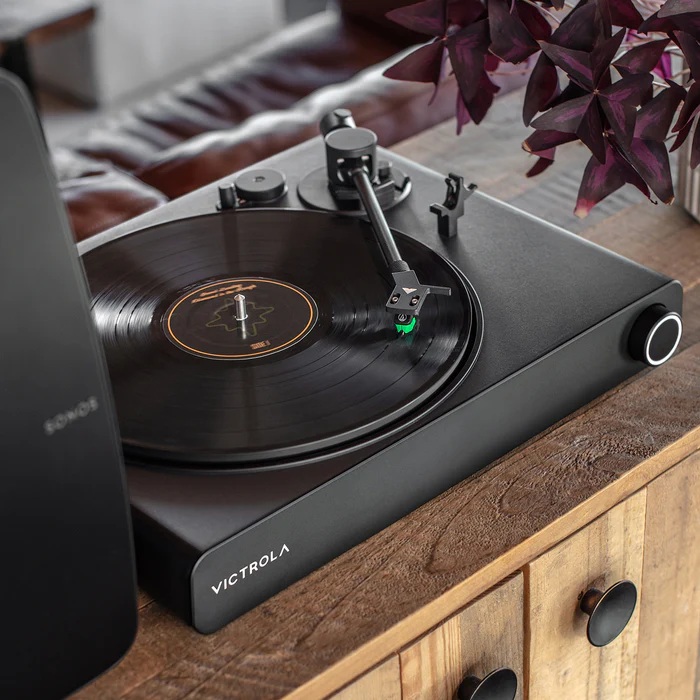
The same psychology seems to apply to vinyl records and other physical music formats.
Streaming services give listeners access to almost every song ever recorded, which sounds wonderful in theory. In practice, however, many people increasingly describe modern music consumption as oddly disposable. Songs become background noise shuffled endlessly by algorithms. Even throwing a playlist together on Spotify or Apple Music takes virtually no real effort. Just scroll through a list of tunes, click click click, scroll through another list, click click click… and in seconds, it’s done. You can then add songs, delete songs, reorder songs. It’s convenient, but somehow soulless, too.
Vinyl changes that dynamic completely. Playing a record requires effort. You physically select an album, place it on the turntable, lower the needle, and commit to listening. Even CDs create a stronger sense of ownership and focus than endlessly scrolling Spotify playlists. According to reports from The Guardian and several retail analysts, younger consumers are increasingly buying CDs not merely for playback, but also for collecting, gifting, and displaying. Physical media has become part entertainment and part personal identity marker.
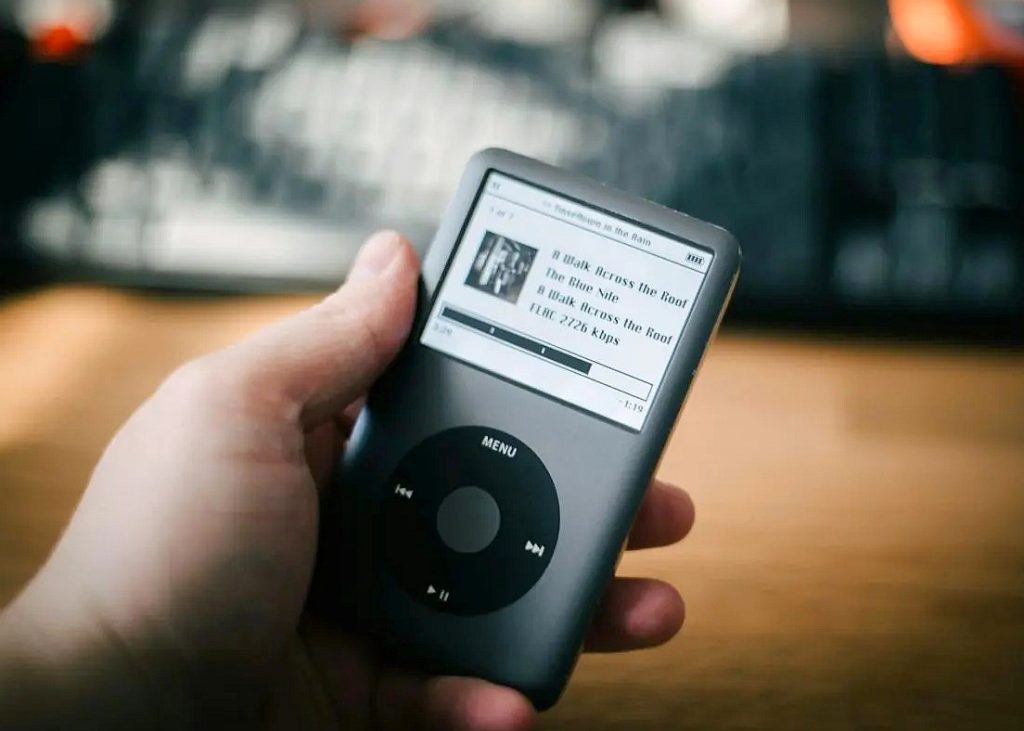
And if you have an old iPod in a drawer somewhere, it might not just be a relic from two decades ago. These dedicated music players are now being coveted and appreciated anew, just as we loved them when they were the new kid on the block in the pre-smartphone era.
Books are benefitting from similar behaviour.
Despite growing up surrounded by screens, many Gen Z readers actively prefer printed books over e-books. Independent bookstores, reading cafés, and literary-themed social spaces have experienced renewed popularity among younger audiences globally. Physical books provide something many people now crave: uninterrupted focus and attention.
No notifications. No pop-ups. No algorithm deciding what comes next. Just pages with the written, printed word.
Of course, social media itself has helped accelerate parts of this analog revival. In a rather odd paradox, entire virtual TikTok communities now revolve around vinyl collecting, film photography, journaling, retro gaming, old camcorders, and “digital detox” lifestyles. Ironically, many young people are discovering analog culture through the very digital ecosystems they are attempting to partially escape.

Still, the motivations appear genuine. Several cultural commentators have noted that younger consumers increasingly value experiences that feel tactile, authentic, and grounded in the physical world. Analog hobbies also tend to involve rituals and patience – qualities that modern technology often removes entirely.
And Malaysia, interestingly enough, has been quietly reflecting many of these same trends. Vinyl fairs and independent record stores have carved out loyal followings in Kuala Lumpur, Penang, and Johor Bahru. (Amcorp Mall, it must be said, has long been a haven with its weekend flea market, even before the pursuit of “analog islands” became a thing.) Cafés styled around retro aesthetics, film photography, and vintage décor continue to attract younger crowds. Compact film cameras and old Canon or Sony digicams regularly appear at concerts, cafés, and travel spots.

Bookstores, too, continue to enjoy cultural relevance here, particularly those – like BookXcess at REX KL, for example – that combine coffee culture, community events, and carefully curated selections. Younger Malaysians increasingly appear drawn to spaces that encourage slowing down rather than endlessly (and often mindlessly) scrolling.
Even local night markets and creative pop-ups now frequently feature vendors selling old records, cassette tapes, vintage electronics, typewriters, and retro cameras. Ten years ago, much of this would likely have been viewed simply as outdated clutter. Today, it has become not just hip in the moment, but genuinely desirable.
Some critics argue that portions of the analog movement are heavily aestheticized and commercially driven, and they are not entirely wrong. Social media has an impressive ability to commodify literally everything, even (ironically enough) the push for anti-digital lifestyles.
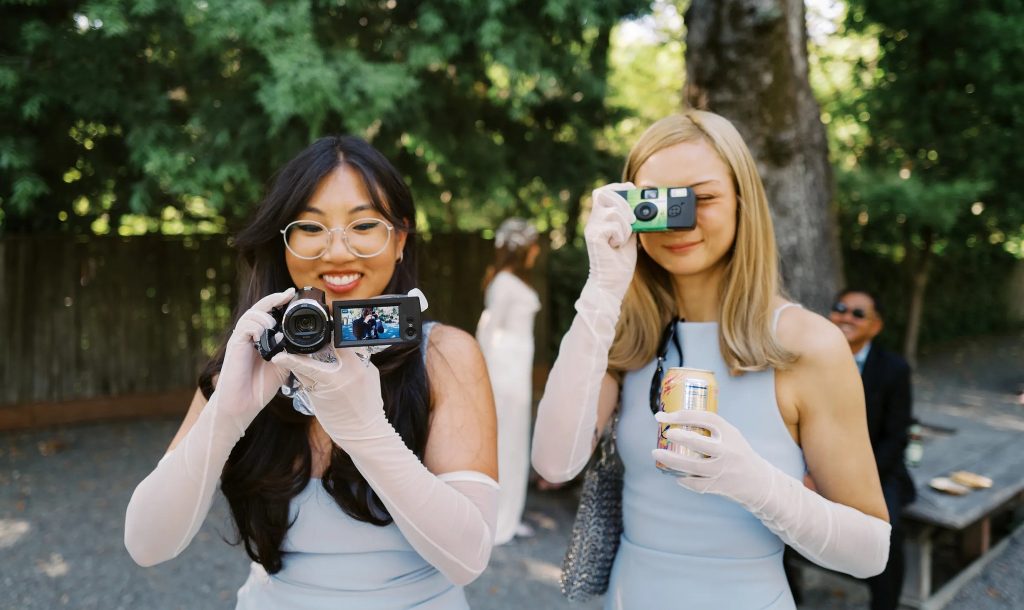
Gen Z is not rejecting technology outright. That would be unrealistic. Rather, many appear to be selectively reclaiming experiences that feel slower, more intentional, and more human in a world increasingly dominated by algorithms and digital overload.
To me, the most interesting part of all this is that the people leading this analog revival are not older generations like mine, desperately clinging to the past. The real catalyst is the cohort of young people who inherited the digital future built by Gen X and nurtured by Millennials – the youngsters who caught glimpses of the lifestyles enjoyed by previous generations and are now deciding that maybe, just maybe, parts of the old world were worth keeping after all.
Sources: BGR.com, The Guardian, Business Insider, Washington Post, Pochango, Live Nation Australia consumer survey findings, The Youth Talks