


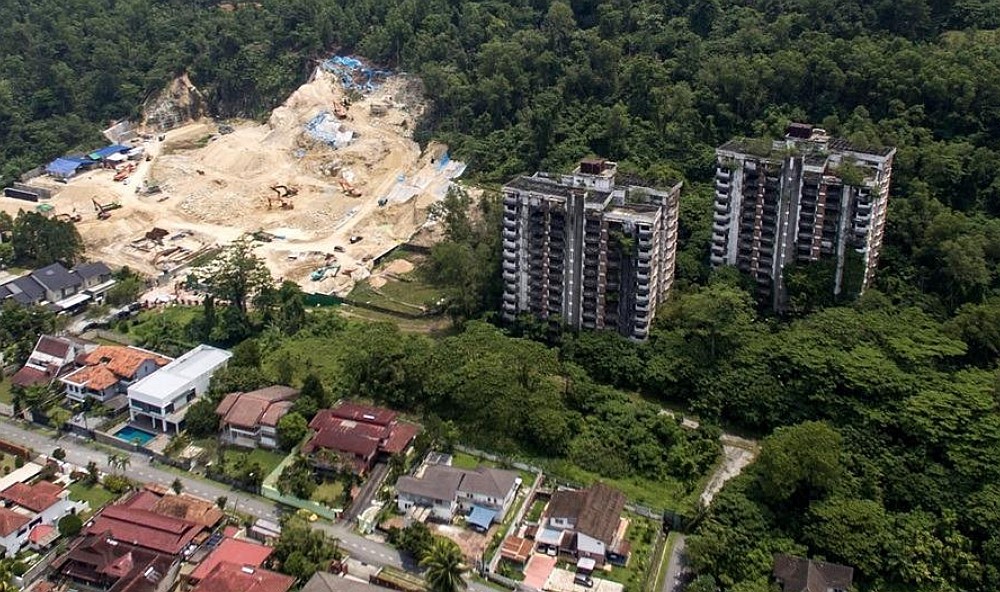
More than 32 years after one of Malaysia’s worst building disasters claimed 48 lives and shocked the nation, the remaining Highland Towers blocks may finally be demolished, bringing a long and painful chapter to a close.
For generations of Malaysians, the name Highland Towers evokes memories of one of the country’s most devastating and widely remembered tragedies.
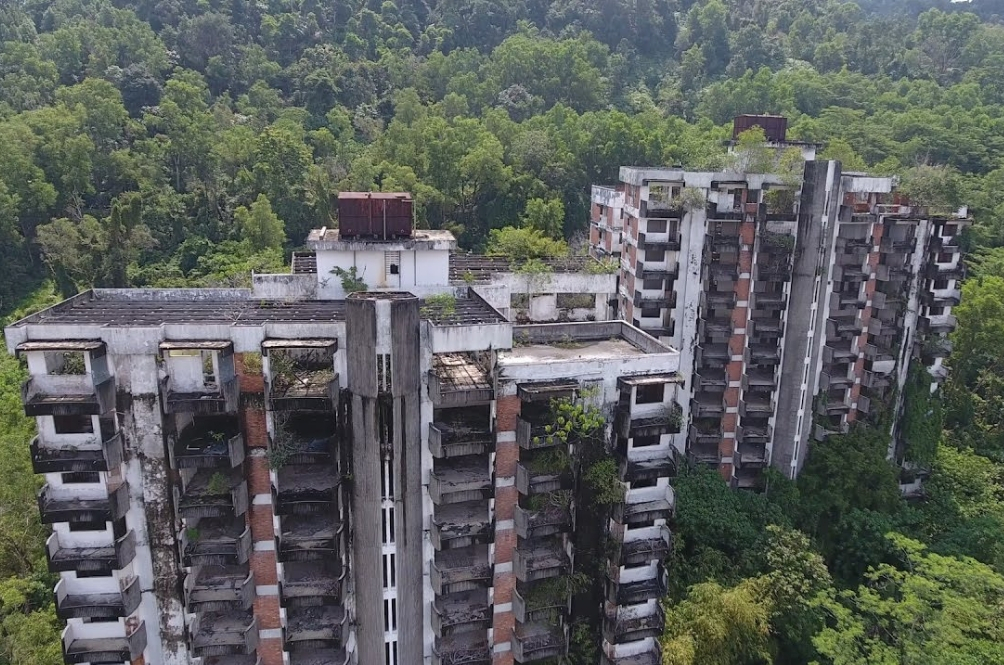
The long-abandoned condominium complex in Hulu Kelang has stood as a macabre reminder of that deadly disaster for more than three decades. Now, following a recent court ruling, the remaining structures appear set to vanish from the skyline at last.
According to Ampang Jaya Municipal Council (MPAJ) deputy president Hasrolnizam Shaari, a Magistrates’ Court approved the council’s application to proceed with the demolition of the two remaining blocks, clearing a significant legal hurdle that had delayed action for years. The demolition is expected to take place before the end of 2026, subject to final coordination with unit owners, developers, insolvency representatives, and the contractors tasked with carrying out the work.
“We will organise a coordination meeting involving the unit owners, represented by the developer and the insolvency department.
“We expect this matter will not take long because everyone is clear that this is the objective that has been set. Within this year, the demolition process will take place,” Hasrolnizam told Harian Metro.
If completed as planned, the demolition will finally bring closure to a site that has remained frozen in time since late 1993.
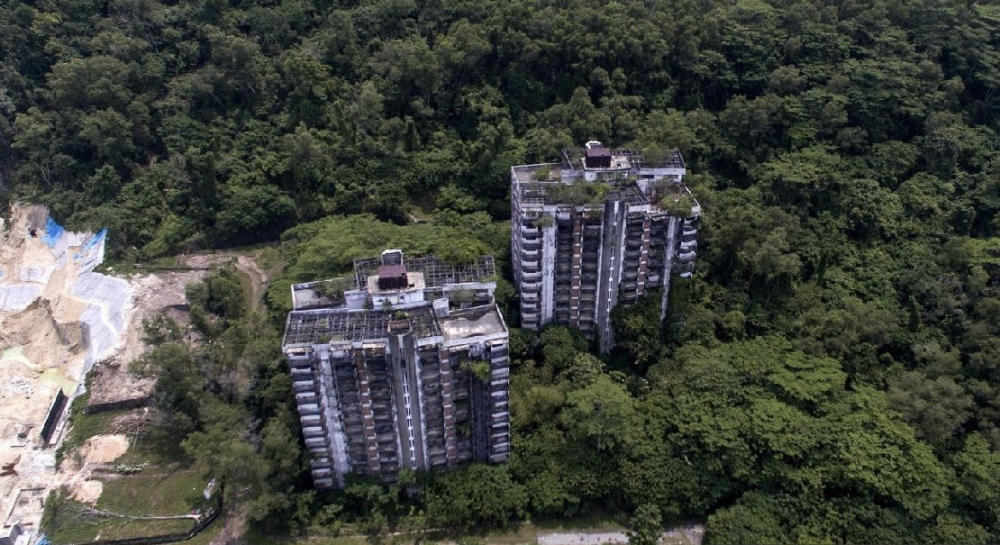
HISTORY OF A NATIONAL TRAGEDY
The Highland Towers development consisted of three residential blocks constructed between the mid-1970s and early 1980s on a hillside in Hulu Kelang, then a desirable suburban address on the outskirts of Kuala Lumpur.
Everything changed on December 11, 1993.
Following an extended period of heavy rainfall, a massive landslide occurred behind Block 1. The slope failure undermined the building’s foundations, causing the entire 12-storey tower to collapse within seconds. The disaster killed 48 people and injured many others, becoming one of the deadliest building collapses in Malaysian history.
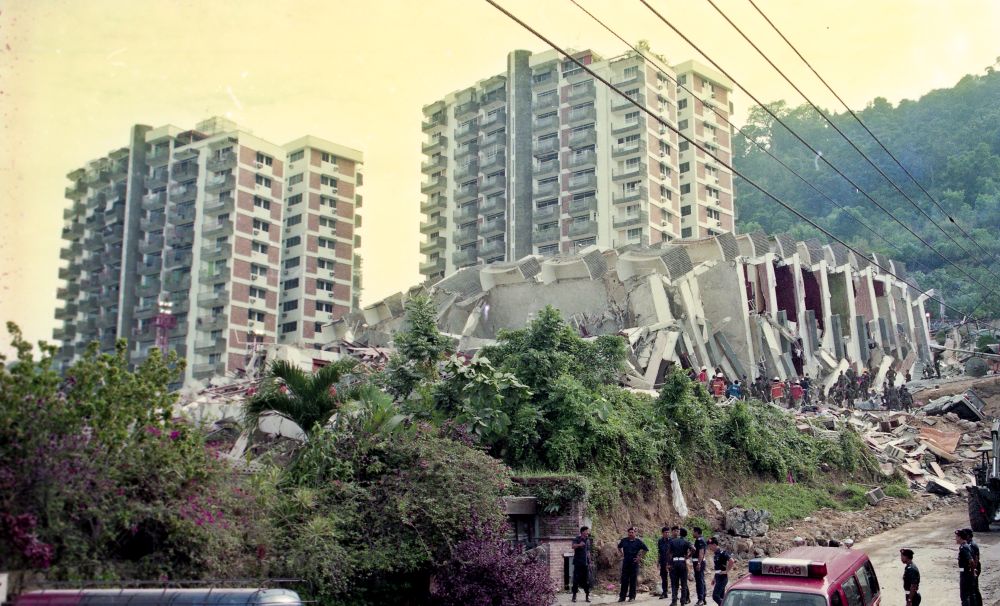
Images of the toppled structure dominated newspaper front pages and television broadcasts across the country. Rescue workers, military personnel, volunteers, and international specialists spent days searching for survivors trapped beneath the rubble. For many Malaysians of a certain age, the tragedy remains one of those defining moments where they can vividly remember where they were when the news broke.
Subsequent investigations pointed to a combination of factors, including poor hillside drainage, water management issues, and slope instability. The disaster prompted widespread debate about hillside development, engineering standards, local authority oversight, and environmental management. In its aftermath, approvals for certain hillside projects were temporarily frozen while authorities reviewed development practices.
Although Blocks 2 and 3 did not collapse, residents were evacuated immediately following the disaster. Engineers later raised concerns about the long-term safety of the remaining structures, and no residents were ever allowed to return.
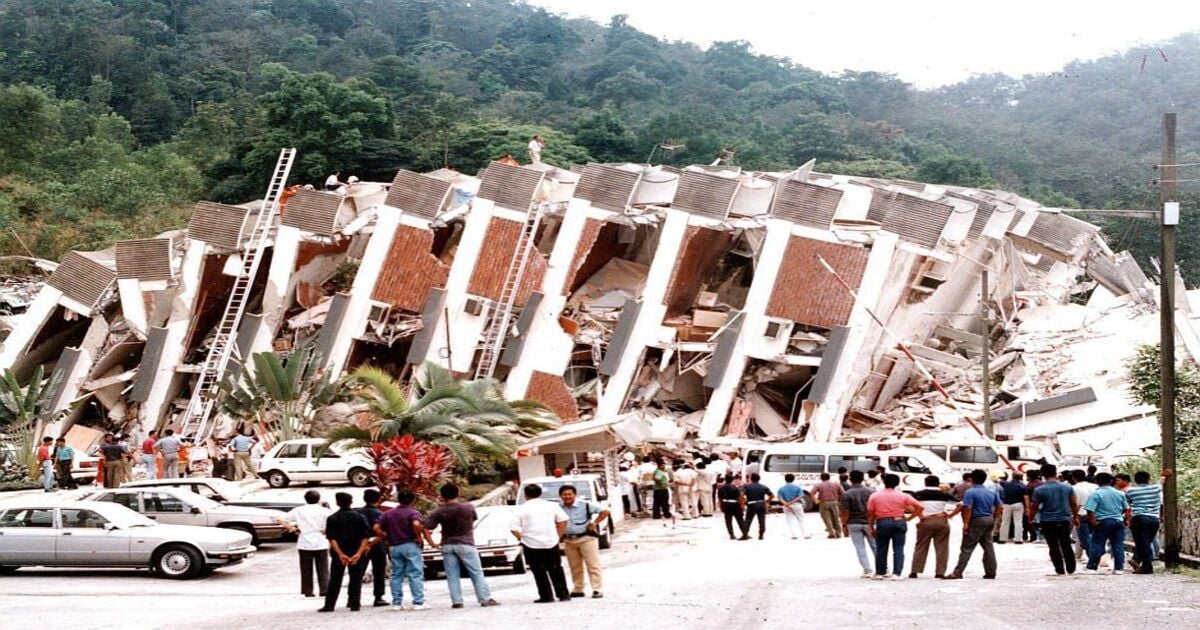
What followed was decades of legal disputes, ownership complications, compensation claims, and administrative hurdles. Various proposals surfaced over the years, including demolition, redevelopment, and conversion of the site into public recreational space, but none progressed beyond the planning stage. A major settlement involving former residents was eventually reached, yet the towers themselves remained untouched.
THE FINAL CHAPTER
For years, the two surviving blocks have loomed over the surrounding area as silent reminders of the disaster.
Weathered by time and overtaken by vegetation, the structures became something of an urban landmark – albeit an unsettling one, unsurprisingly rumoured to be haunted. Generations of Malaysians have grown up hearing stories about Highland Towers, while younger residents often know the site primarily through photographs, documentaries, and news reports recounting the tragedy.
Efforts to demolish the buildings have surfaced repeatedly over the years, only to be delayed by legal complications involving ownership rights and insolvency matters. As recently as last year, MPAJ was still seeking court approval to move forward with demolition plans. The process was further complicated by concerns over compensation and consent among various stakeholders.
The latest court decision appears to have finally provided the legal foundation needed to proceed.
Hasrolnizam said MPAJ is now focusing on the practical aspects of the project, including appointing the parties responsible for managing the demolition works.
Should the demolition proceed on schedule, it will mark the end of a chapter that has remained unresolved for more than 32 years.
While the removal of the remaining towers will not erase the memories of those who lost loved ones in the disaster, it will finally bring a measure of closure to one of Malaysia’s most enduring symbols of tragedy.
Sources: Bernama; Harian Metro reporting via Media Selangor; Ampang Jaya Municipal Council statements; historical records and reports on the December 11, 1993 Highland Towers collapse; The Star; EdgeProp Malaysia.