



Retirement in Malaysia places much of Asia within easy reach, and nowhere is that more convenient than Singapore. Just across the Johor Straits, the Lion City offers world-class attractions, outstanding food, beautiful green spaces, and countless hidden gems that reward repeat visits.
This post contributed by Peter Brunoehler and is Part 3 in a series.
One of the greatest rewards of retirement is the luxury of time – the ability to slow down, travel unhurriedly, and truly appreciate the journey. While long-haul adventures can certainly be unforgettable, some of the best travel experiences are found much closer to home. They may be shorter in distance and duration, but they can be every bit as rewarding.
After exploring Malaysian gems in Parts One and Two, it’s worth remembering that retiring here also provides easy access to the rest of Asia. This includes neighbouring Singapore, my home and workplace for almost 11 years. In Part Three, we’ll cross the Johor Straits into the Lion City, exploring everything from world-famous landmarks to some lesser-known favourites. Despite its compact size, Singapore packs an extraordinary amount into a remarkably small footprint.
We’ll begin with some of its best-known attractions:
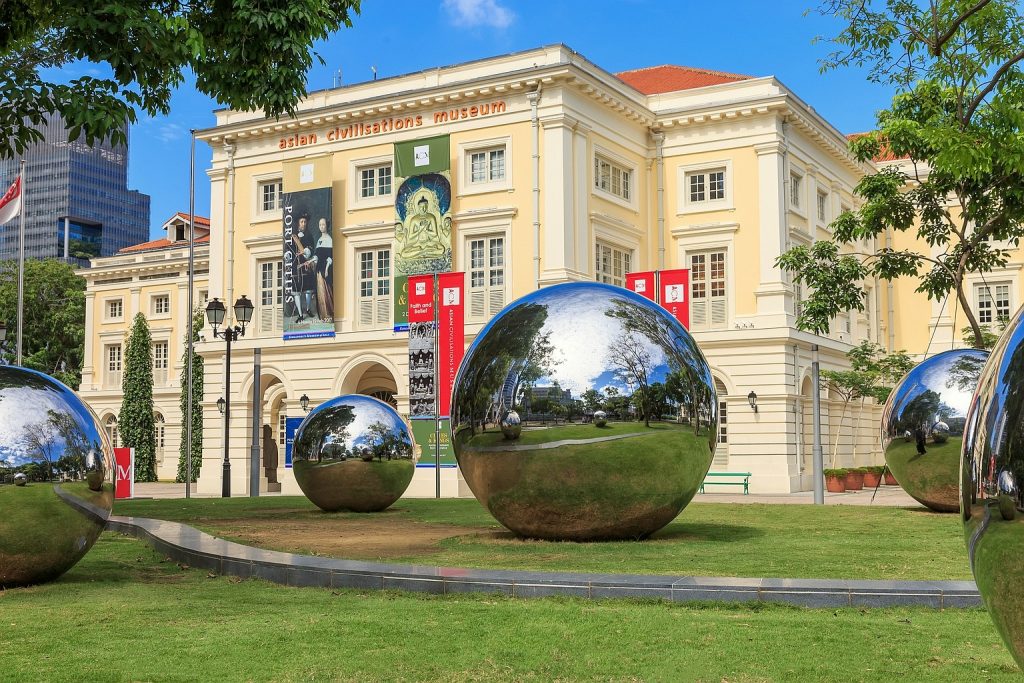
• Learning Local History: The National Museum of Singapore and the Asian Civilisations Museum are excellent starting points for understanding the nation’s story. The former, located on Stamford Road, has been a prominent landmark for more than a century and is Singapore’s oldest existing museum. The latter explores the diverse cultures of Asia and the ancestral origins of Singapore’s multicultural society. The Former Ford Factory on Upper Bukit Timah Road, where the British surrendered Singapore to Japanese forces in 1942, offers a powerful multimedia look at one of the country’s darkest chapters.
• Learning Local Food: The never-ending Malaysian versus Singaporean food debate aside, Newton Food Centre is a terrific introduction to hawker culture. The famously enthusiastic stall operators will happily guide newcomers to a table, making it an ideal first stop. Lau Pa Sat is equally iconic (and frequently packed with hungry locals), known for its striking Victorian architecture and CBD location, while Little India offers a feast of authentic flavours, colours, and aromas.
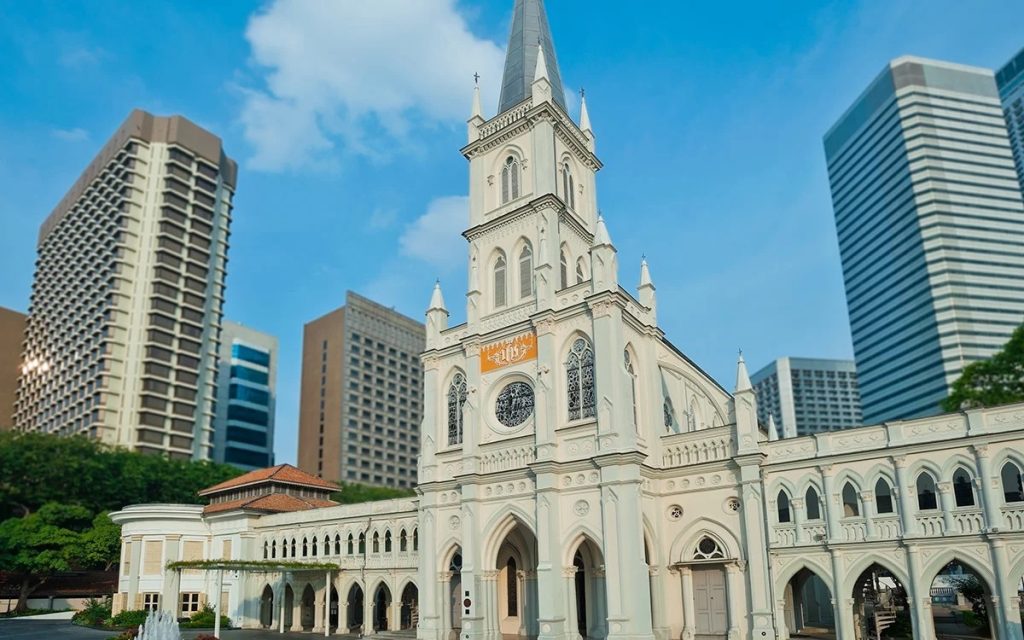
• Adding Global Food (and Drink): Dempsey Hill, once a British military barracks, has been transformed into one of Singapore’s premier dining precincts. Nearby Holland Village remains a long-time favourite among expatriates, easily reached via the MRT Circle Line. CHIJMES (pronounced “chimes”), a former Catholic convent, is now home to a superb collection of international restaurants. Some of my fondest memories of Singapore involve al fresco evenings there. Film buffs may recognize the chapel from Crazy Rich Asians. For spectacular views, CÉ LA VI atop Marina Bay Sands Tower 3 combines excellent food, drinks, and atmosphere. Just be aware that dress codes and cover charges apply.
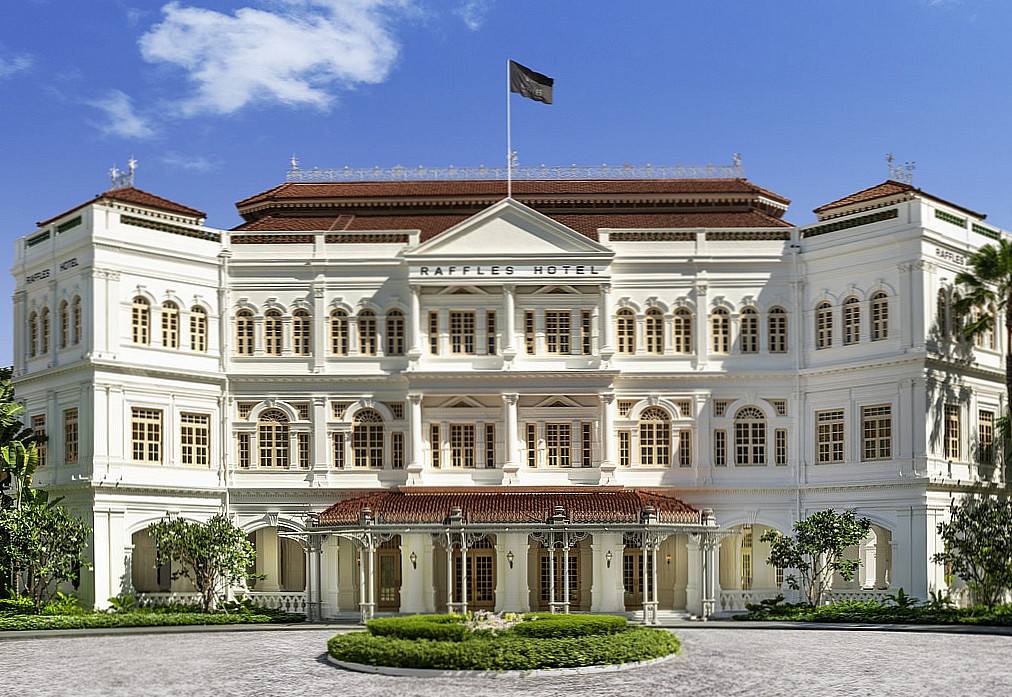
• Snoozing in Style: No visit to Singapore is complete without stopping by the historic Raffles Hotel. Named after Sir Stamford Raffles, the hotel’s Long Bar is the birthplace of the Singapore Sling, while afternoon tea remains one of the city’s classic experiences. Dress codes apply here, too, something worth remembering whenever dining at Singapore’s more upscale venues. A similarly elegant afternoon tea can also be enjoyed at the beautiful heritage Fullerton Hotel, situated along the Singapore River near Boat Quay. The Shangri-La Singapore on Orange Grove Road, meanwhile, was the very first Shangri-La hotel in the world and has been welcoming guests since 1971. A true classic, it was my preferred hotel for visiting overseas guests.
• Visiting with the Grandkids: Singapore Zoo, Night Safari, Bird Paradise, River Wonders, and Rainforest Wild Asia are now collectively part of the Mandai Wildlife Reserve. Together, they offer outstanding opportunities to experience wildlife and nature in one location. Just don’t try to do everything in a single day – it’s a large site, and Singapore’s tropical climate can make for a long but rewarding outing.
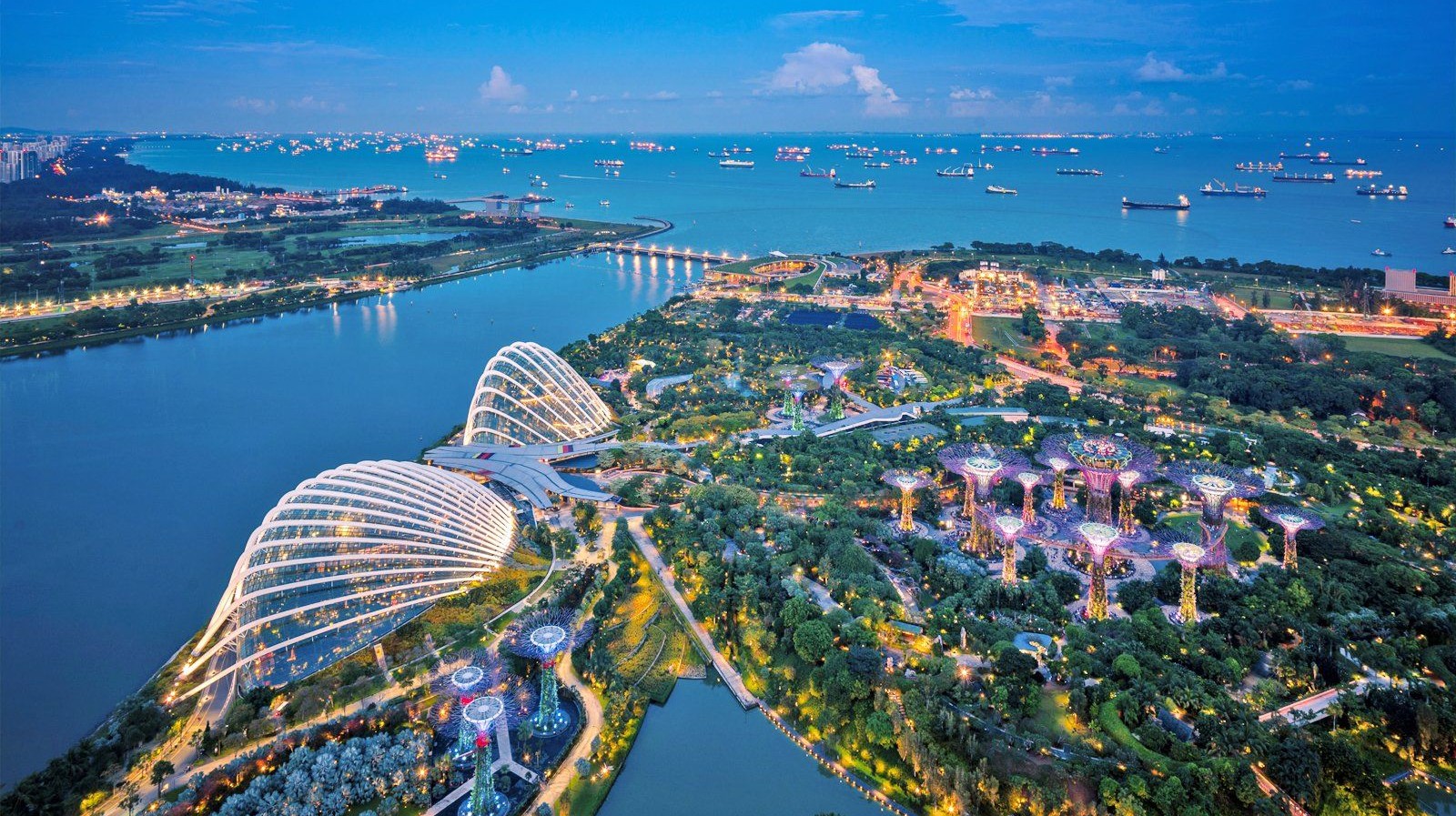
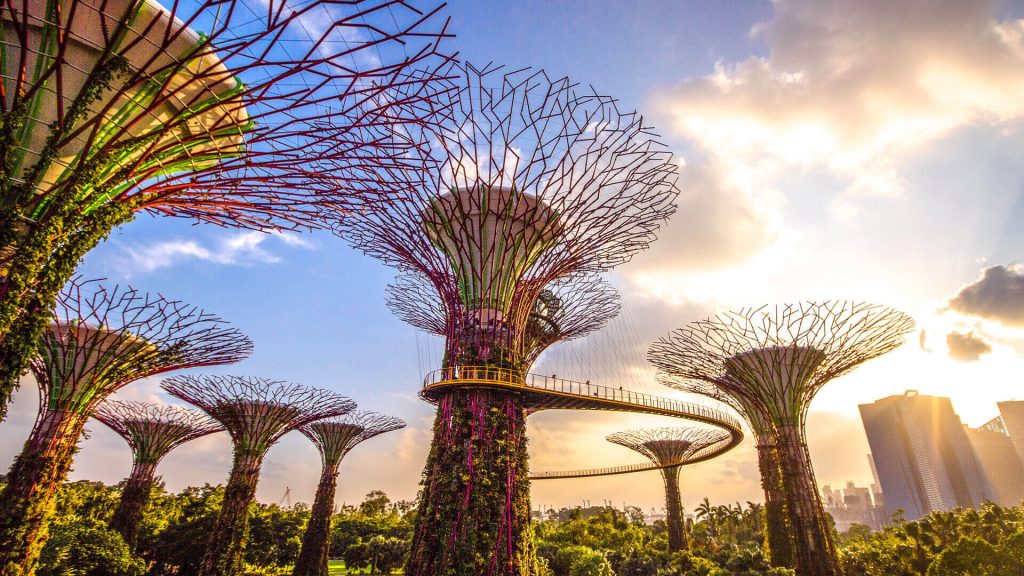
• Enjoying Singapore’s Greenery (While Keeping Cool): Tripadvisor recently ranked Gardens by the Bay as Asia’s number one attraction, and it’s easy to see why. The cooled Cloud Forest and Flower Dome conservatories are complemented by the illuminated Supertrees, free nightly light shows, and constantly changing floral displays. Entry to the two conservatories is chargeable, as is the elevated OCBC Skyway, but there’s still plenty to see and do at Gardens by the Bay at no cost. Jewel Changi Airport is another noteworthy destination. Riding the Skytrain between Terminals 2 and 3 as it passes the spectacular Rain Vortex is an experience well worth having.
• Outdoor Activity Spaces: East Coast Park stretches for more than 15 km along the coast and offers countless recreational opportunities. Fort Canning Park provides history, walking trails, gardens, and welcome tranquillity in the heart of the city. The 82-hectare Singapore Botanic Gardens remains one of the city’s finest green spaces, attracting walkers, joggers, and nature lovers throughout the day.
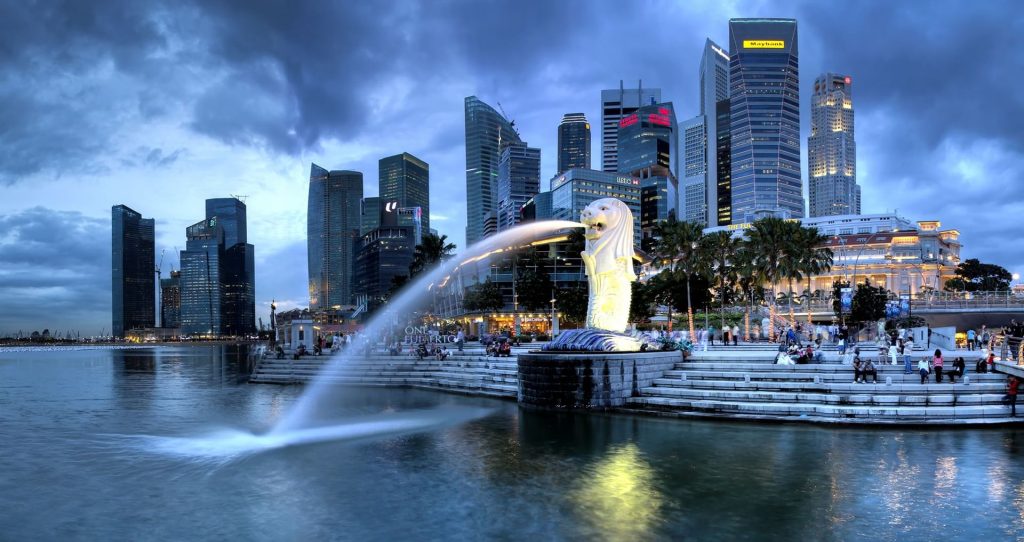
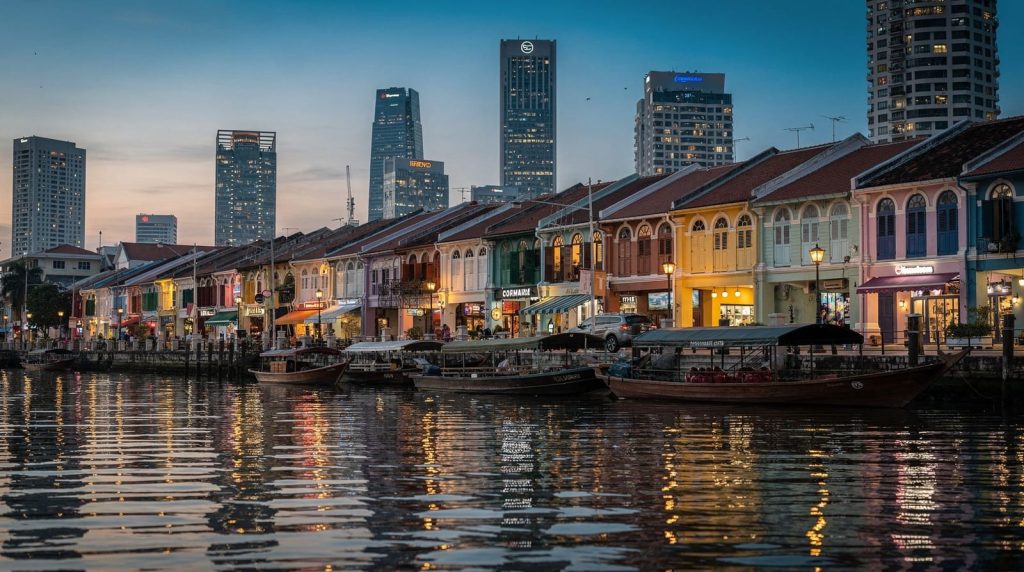
• Riverside Time: Along the immaculate Singapore River, Robertson Quay, Clarke Quay, and especially Boat Quay offer memorable waterfront views and are lined with cafés, bars, and restaurants. The cool breeze and city lights reflecting off the river provide a spectacular backdrop for evenings spent over dinner or drinks. Morning and evening strolls are equally memorable, passing the iconic Merlion as you approach Marina Bay.
• Getting Around: I am an enthusiastic advocate of Singapore’s MRT network. While taxis, buses, and e-hailing services are all excellent, the MRT is clean, efficient, affordable, and by far the easiest way to reach most attractions.
The places and attractions listed above have earned their reputations, and no first visit to Singapore would be complete without seeing at least some of them. Yet after living and working in the Lion City for almost 11 years, I gradually came to appreciate a different side of Singapore, one that many visitors never experience. Some of my favourite places are tucked away in the north and west of the island, rewarding anyone prepared to venture a little beyond the well-worn tourist trail.
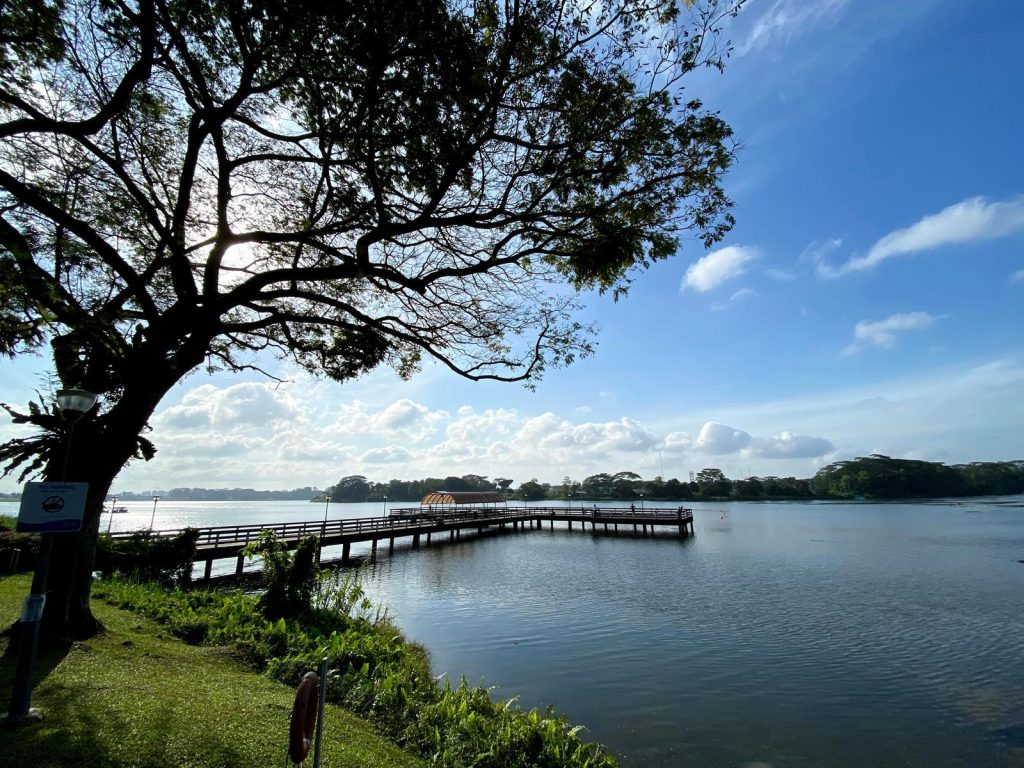
Lower Seletar Reservoir Park is perhaps the north’s best-kept secret. This peaceful four-hectare sanctuary offers breezy waterside walks and the distinctive Heritage Bridge, designed to resemble the traditional kelong fishing platforms once common along the coasts of Malaysia and Singapore. At sunset, the reservoir becomes especially beautiful as golden light reflects across the calm water. Continue towards Lentor Avenue and you’ll pass beneath the elevated MRT line, where modern infrastructure unexpectedly blends into the surrounding wetlands.
The park also connects seamlessly with the Springleaf Park Connector. I spent many weekend mornings cycling and walking here, often sharing the scenery with wedding photography sessions and enthusiastic birdwatchers searching for collared kingfishers and herons.
Nearby, the quiet roads around Seletar Airport, Yishun Dam, and the beautifully restored colonial bungalows of Seletar Camp provide excellent cycling routes. The adjacent Mandai Executive Public Golf Course has long been another favourite waterside ride, although it is scheduled to close at the end of 2026 to make way for a new Ministry of Education Outdoor Adventure Learning Centre. Afterwards, Orchid Country Club’s Ban Heng restaurant makes an excellent stop for dim sum overlooking the golf course.
Further northwest, Sungei Buloh Wetland Reserve offers 130 hectares of mangroves, mudflats, ponds, and forest, providing one of Singapore’s finest birdwatching locations and an authentic glimpse of its coastal ecosystems. Nearby, the Kranji War Memorial stands as a moving tribute to Allied servicemen who died defending Singapore and Malaya during World War II.
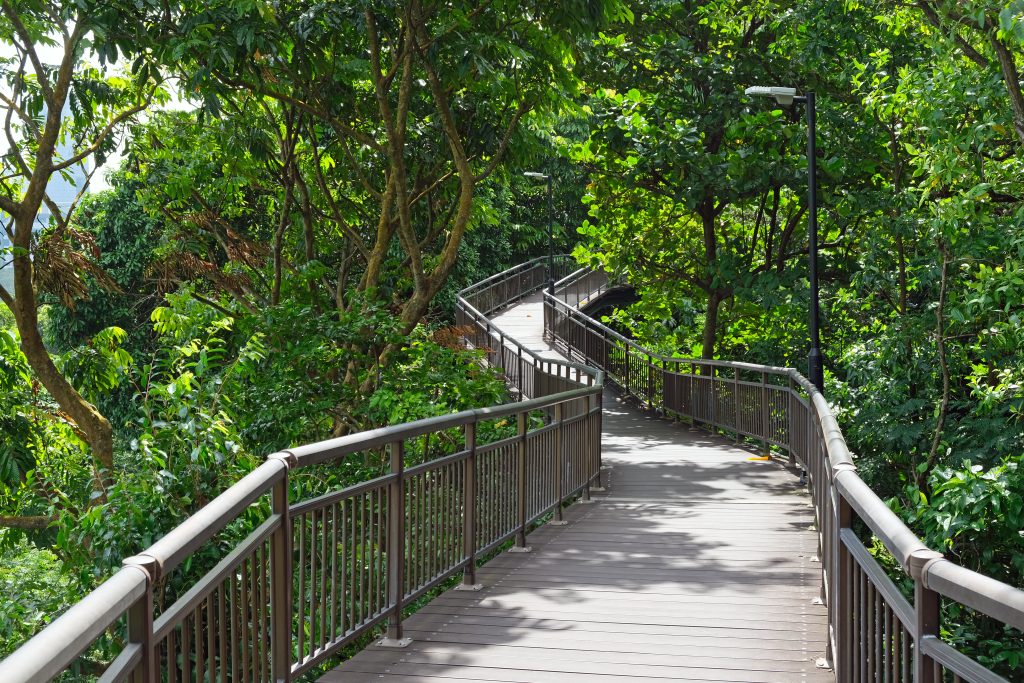
The west has its own rewards. West Coast Park and neighbouring Clementi Woods combine expansive coastal recreation with quieter woodland trails close to the National University of Singapore. Kent Ridge Park offers elevated coastal views, a 280-metre treetop boardwalk, and important World War II history as the site of the Battle of Bukit Chandu. Pandan Reservoir provides a peaceful six-kilometre circuit popular with walkers and cyclists, particularly at sunset, although the route offers little shade.
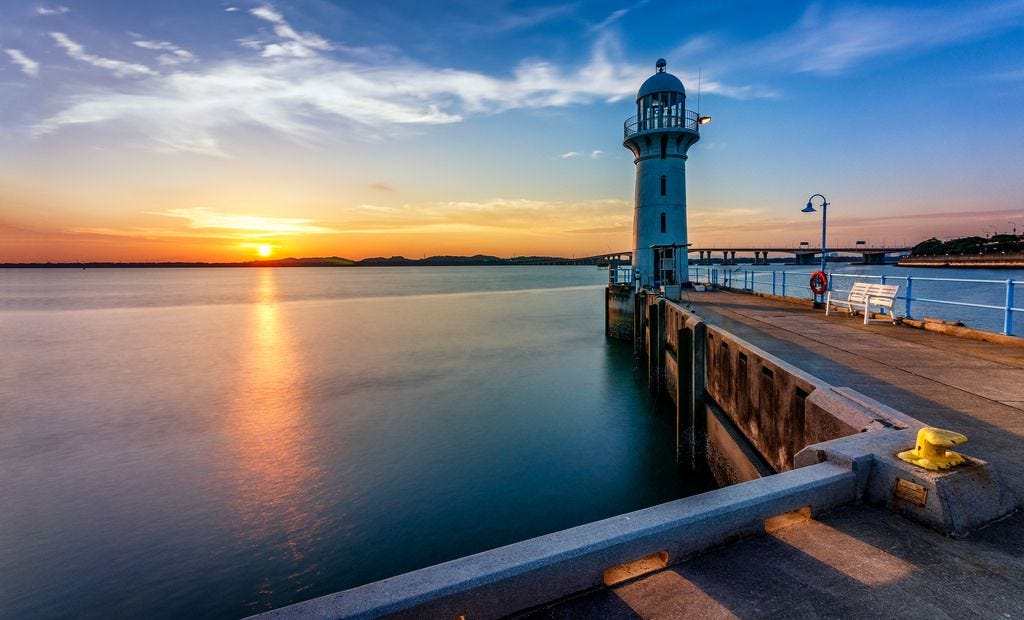
Before heading back across the Second Link, it’s worth stopping at Raffles Marina, where Marina Bistro combines good food with impressive waterfront views in a yacht club setting. Alternatively, West Coast Market Square offers something quite different: a traditional wet market and hawker centre that many locals say recalls a slower, simpler Singapore. It’s an ideal place to enjoy authentic local food among residents rather than tourists.
Please continue to join me here at expatgo.com where, over the coming months, I’ll address more retirement issues in this series of “Retiring in Malaysia” columns.
Originally hailing from the United States, Peter Brunoehler is a retired expat who has lived in Asia for over 30 years, with about half of that time in Malaysia. Prior to retirement in Penang, he worked in Hong Kong, Singapore, and Kuala Lumpur, holding numerous executive roles in a variety of multinational corporations.
To learn more about the Malaysia My Second Home (MM2H) programme, visit mm2h.com, also under ExpatGo’s parent company, TEG Media.