

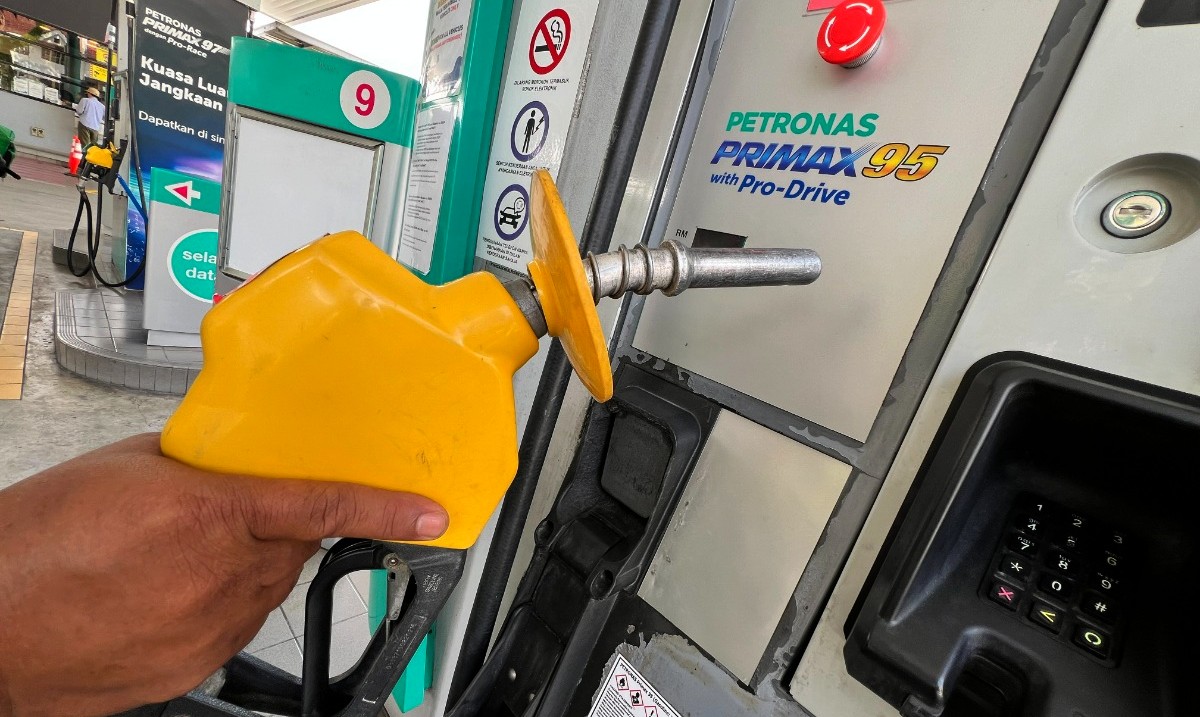
The government is restoring the monthly BUDI95 quota to 300 litres and raising the BUDI Diesel allocation, offering relief to millions of Malaysians. Foreign residents, including working taxpayers, remain outside the targeted subsidy scheme.
Malaysia is giving millions of motorists some welcome relief from fuel costs, with the government restoring the monthly BUDI MADANI RON95 quota to 300 litres from September 1 and increasing the BUDI Diesel allocation to as much as 400 litres for eligible vehicle owners.
Prime Minister Anwar Ibrahim announced the changes during his National Day address on August 30, effectively reversing the temporary reduction in the BUDI95 allocation from 300 to 200 litres that took effect in April. The government says the restoration reflects improved management of fuel supplies, stronger enforcement, a healthier economy, and its current financial capacity.
For eligible Malaysians, BUDI95 provides RON95 at RM1.99 per litre. The Ministry of Finance says around 16 million users currently benefit from the subsidized price, while more than 700,000 users are eligible for subsidized diesel. Eligible private diesel pickup and jeep owners can apply for a further 100 litres, taking their monthly allocation to 400 litres.
The restoration has unsurprisingly been welcomed by commuters and small-business operators, particularly those who drive substantial distances for work. A 300-litre allocation represents a considerable buffer for most private motorists, given the government’s earlier estimate that average private-vehicle consumption is around 80 litres per month.
For traders who rely on vehicles to move goods, the benefit is rather more direct. Higher fuel allocations can reduce operating costs at a time when transport expenses feed into everything from the cost of getting produce to market to the final price paid by consumers.
A TARGETED SUBSIDY – WITH A VERY CLEAR TARGET
There is, however, an important qualification to the celebratory headlines: BUDI95 is specifically for Malaysian citizens.
That means foreign residents who live and work here, including expatriates who have Malaysian jobs, pay Malaysian income tax, rent or own homes, buy cars, purchase fuel, and contribute to the wider economy, remain excluded from the subsidized RON95 allocation. The government’s own eligibility service describes BUDI95 as a subsidy “specifically for Malaysians,” with eligibility tied to citizenship and a MyKad.
This is not a new exclusion. It was fundamental to the design of BUDI95 when the targeted subsidy programme was introduced in September 2025. The government explicitly said the system was intended to address leakage associated with subsidies being consumed by non-citizens, with Malaysians receiving RON95 at the subsidized RM1.99 rate while non-citizens pay the unsubsidized pump price.
From the government’s perspective, the logic is clear: BUDI95 is a targeted benefit for citizens, rather than a general subsidy attached to living or working in Malaysia. That makes the programme easier to administer and helps prevent subsidized fuel from being diverted to non-citizens or across the country’s borders.
But it also creates an interesting policy distinction for Malaysia’s foreign-resident population. A foreign professional working for a Malaysian company, paying income tax here, renting a home, buying groceries, paying road tax and insurance, and otherwise contributing to the economy receives none of the RON95 subsidy. Meanwhile, a Malaysian citizen who may live overseas and spend relatively little time in their home country can still qualify, provided the other eligibility requirements are met.
There is a legitimate policy argument for prioritizing citizens when public money is being distributed, particularly when the objective is to reduce subsidy leakage. The less comfortable question is whether Malaysia’s increasingly targeted approach sufficiently recognizes the contribution of long-term foreign residents, particularly those who are working, paying taxes, and participating fully in the local economy.
For now, the answer is clearly no. The BUDI MADANI system is designed around citizenship, and the September 1 quota restoration does nothing to change that.
Sources: Ministry of Finance Malaysia, Malaysia.gov.my, Reuters, Bernama, Malay Mail