

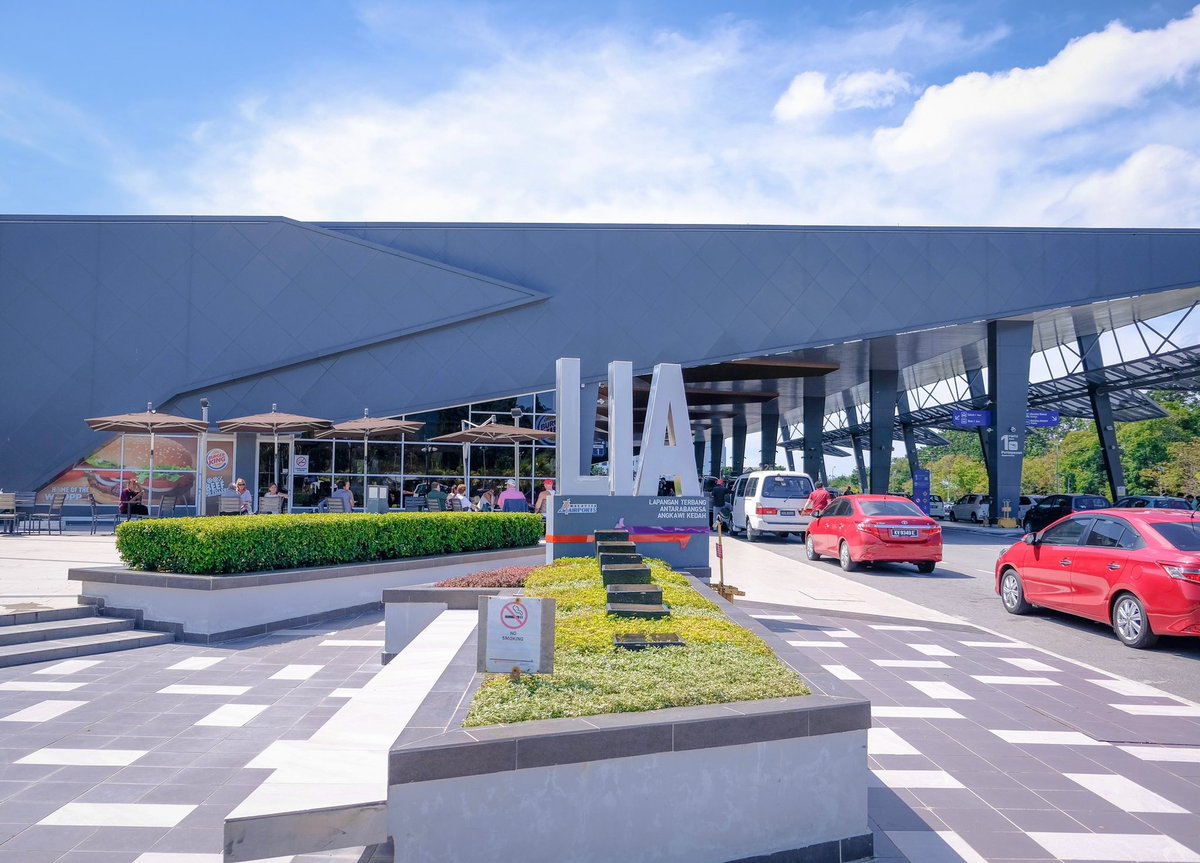
With 2.9 million passengers in 2025 and fresh upgrades to its terminal, Langkawi International Airport continues to set the benchmark for mid-sized leisure gateways in the region.
Langkawi International Airport (LGK) has once again been named the Best Airport in Asia Pacific (2 – 5 million passengers) at the 2025 Airport Service Quality (ASQ) Awards by Airports Council International (ACI), marking its fifth consecutive win in the same category.
For an island airport that serves as the front door to one of Malaysia’s most recognizable tourism brands, the accolade is more than symbolic. It reflects a sustained focus on the fundamentals – efficiency, cleanliness, comfort, and service – in an increasingly competitive regional aviation market.
The ASQ Awards are regarded as the world’s leading airport customer experience benchmark, based entirely on real-time passenger feedback. According to Airports Council International, the recognition is grounded in scientifically designed surveys that capture travellers’ experiences across key touchpoints, from check-in and security processing to ambience and overall satisfaction.
LGK’s repeat success suggests that its performance has not been a one-off spike, but the result of consistency.
Malaysia Airports Holdings Bhd (MAHB) managing director Datuk Mohd Izani Ghani said the milestone holds special significance as Malaysia advances towards Visit Malaysia 2026 (VM2026).
“LGK’s sustained achievement reflects the airport operator’s disciplined focus on service excellence, operational consistency and continuous improvement at one of Malaysia’s premier leisure gateways,” he said. “The airport’s consistent top ranking demonstrates that its passenger experience standards are not only maintained but continually enhanced year after year.”
The fifth consecutive recognition, he added, is “a powerful endorsement from passengers themselves. It affirms the dedication of our airport community in Langkawi and reflects our commitment to delivering seamless, welcoming journeys at one of Malaysia’s most iconic island destinations.”
TRAFFIC GROWTH AND A STRATEGIC ROLE
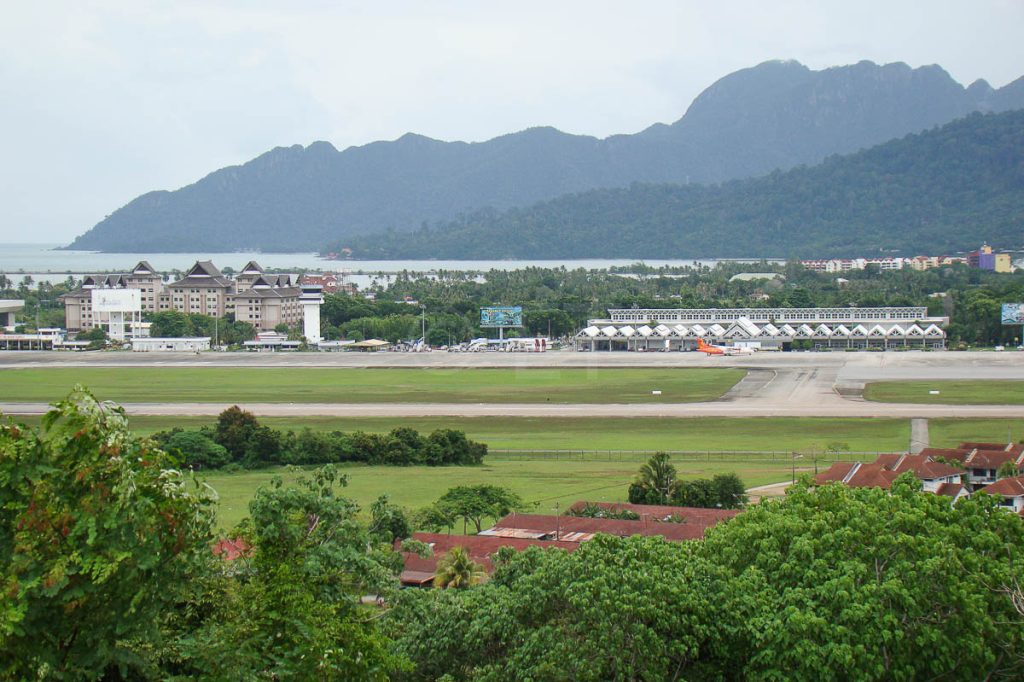
Langkawi International Airport handled 2.9 million passenger movements in 2025, comprising 2.6 million domestic and 300,000 international passengers. That places it comfortably within the ASQ category for airports serving between 2 and 5 million passengers annually.
The figures represent steady recovery and growth following the pandemic years, with domestic routes continuing to anchor traffic. Kuala Lumpur remains the dominant sector, supported by frequent services from multiple carriers. Regional connectivity has also strengthened, with direct links to markets such as Singapore and selected seasonal or charter routes from other Asian cities depending on demand cycles.
In total, LGK serves a mix of domestic trunk routes and regional destinations, reinforcing its role as the primary air gateway to Langkawi’s Unesco Global Geopark and its established resort ecosystem.
“Langkawi plays a strategic role in supporting Malaysia’s aspiration to become the most connected country in the Asia Pacific region, particularly as international demand for resort and nature-based travel continues to strengthen,” Mohd Izani said.
As VM2026 gains momentum, service standards at airports such as LGK will carry added weight. For many visitors, particularly first-time travellers to Malaysia, the arrival experience frames their perception of the destination long before they check into a hotel.
TERMINAL UPGRADES AND PASSENGER EXPERIENCE
Langkawi International Airport’s current terminal traces its modernization to a major upgrade completed back in 2018 ahead of the Langkawi International Maritime and Aerospace Exhibition (LIMA) the following year. The redevelopment expanded capacity, refreshed interiors, improved retail and food and beverage offerings, and introduced a more contemporary design that was better-aligned with the island’s resort positioning.
Subsequent enhancements have focused on digital systems, passenger flow improvements, and commercial upgrades rather than large-scale structural changes. Self-service facilities, improved wayfinding, and streamlined security processes have been part of the ongoing refinement.
MAHB has indicated that it will continue investing in passenger comfort, digital enhancements, and collaborative initiatives with airlines, concessionaires, and tourism stakeholders to elevate the overall travel experience.

THE BROADER TOURISM CONTEXT
Langkawi’s positioning as a duty-free island, combined with its beach resorts, mangrove forests, and geopark status, makes it one of Malaysia’s most recognisable tourism brands. Air access is therefore central to its competitiveness against regional island destinations in Thailand, Indonesia, and Vietnam.
Service quality awards, while not the sole determinant of success, contribute to destination branding. For tour operators and airlines, consistent ASQ recognition signals reliability. For travellers, it reinforces confidence in the overall journey.
With five consecutive ASQ wins, LGK now stands as one of the region’s more consistent performers in the 2 – 5 million passenger bracket. In a segment often overlooked in favour of mega-hubs, that consistency matters.
As Mohd Izani noted, service excellence at key tourism gateways will be critical as Malaysia prepares to welcome increased visitor volumes under VM2026. For Langkawi International Airport, the task is clear: sustain the standard, manage growth carefully, and ensure that the first impression of one of Malaysia’s favourite tourist destinations remains a positive one.