



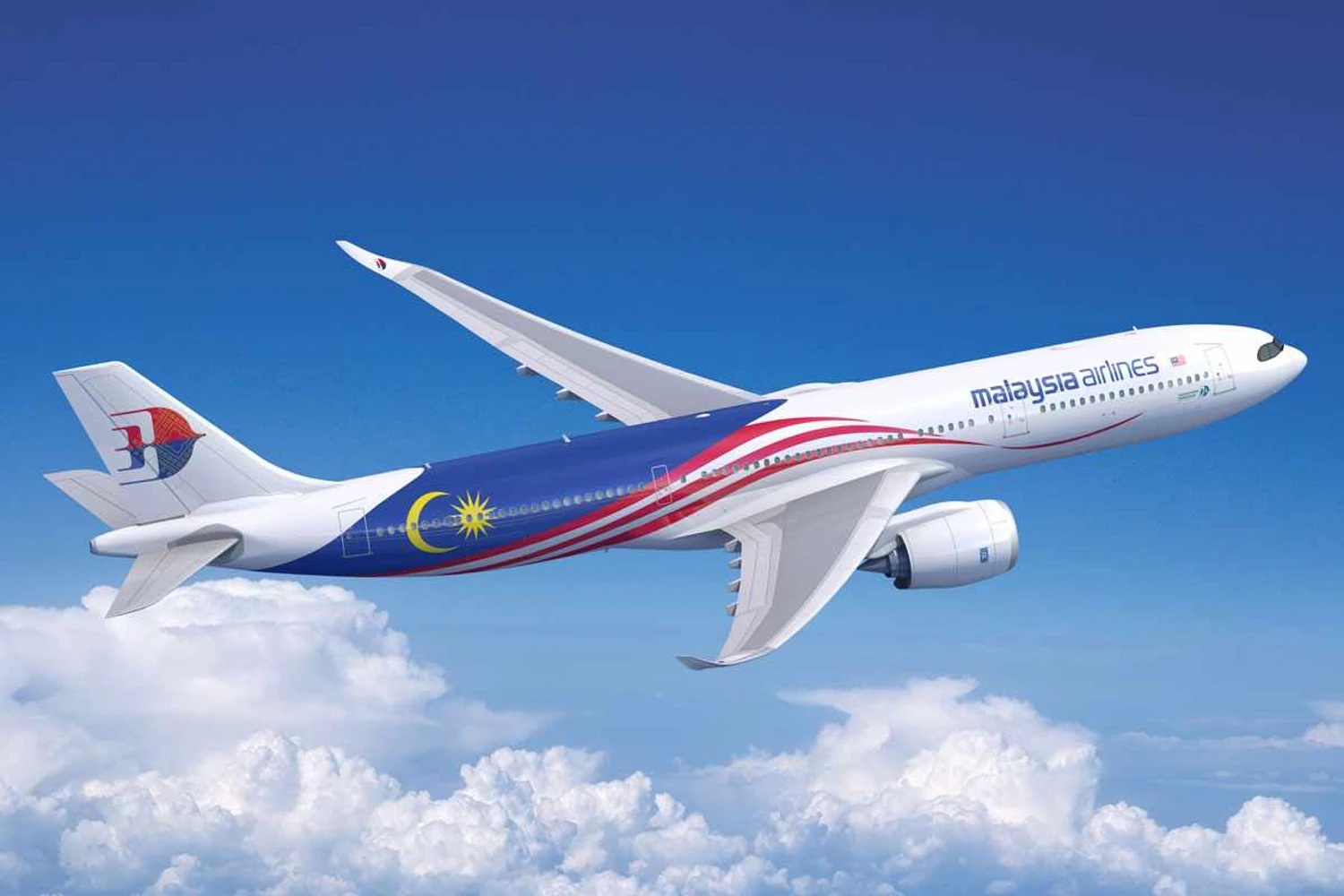
After several years of steady improvement, Malaysia Airlines is shifting from recovery to expansion – but the real test lies in delivering a consistently competitive experience for travellers.
At a time when global aviation suddenly faces mounting uncertainty, Malaysia Airlines is projecting a notably steady and confident trajectory. Backed by improving financial results and operational performance, the national carrier appears to have moved beyond its restructuring phase and into a more measured period of growth.
For Malaysia-based travellers – particularly frequent flyers and business passengers – the question is no longer whether the airline has stabilized, but whether its progress will translate into a more reliable and competitive experience, especially within the increasingly crowded Asia-Pacific market, home to some of the world’s most respected airlines.
After a prolonged period of restructuring, Malaysia Airlines, under its parent Malaysia Aviation Group (MAG), has now posted operating profits for four consecutive years. For 2025, the group reported a net profit of RM137 million, more than double the previous year, alongside a healthy load factor of 81%.
Operational metrics are also trending in the right direction. On-time performance has improved significantly to 88%, a key benchmark for both business and leisure travellers. For a Malaysian audience accustomed to the airline’s more inconsistent years, this marks a tangible shift towards reliability.
“We are moving from stabilization to disciplined expansion,” said Bryan Foong, CEO of Airline Business for Malaysia Aviation Group, Malaysia Airlines’ parent company.
The phrase captures the airline’s current position well. It is no longer in recovery mode, but neither is it yet operating at the level of Asia’s top-tier carriers. (Indeed, the gap remains considerable, particularly in premium cabins, according to comments by frequent travellers.) Instead, it occupies a transitional space – stable, improving, and cautiously ambitious.

SERVICE IMPROVEMENTS AND FLEET RENEWAL
One area where Malaysia Airlines has consistently performed well is service. The airline continues to earn recognition for its hospitality, ranking eighth globally for cabin crew and sixth for ground services in the latest Skytrax rankings.
For Malaysian travellers, this is likely not surprising. The airline’s strength has long been its warmth and service culture – something that many passengers say remained intact even during the airline’s more challenging periods.
The next step, however, is consistency. To address this, the airline has placed greater emphasis on managing the entire passenger journey. Internally, it is now tracking performance across 12 key touchpoints, from booking and check-in to inflight experience and arrival. Customer satisfaction scores have risen to 84%, suggesting that these efforts are beginning to show results.
“Our focus now is on delivering a consistent experience across every stage of the journey,” Foong noted.
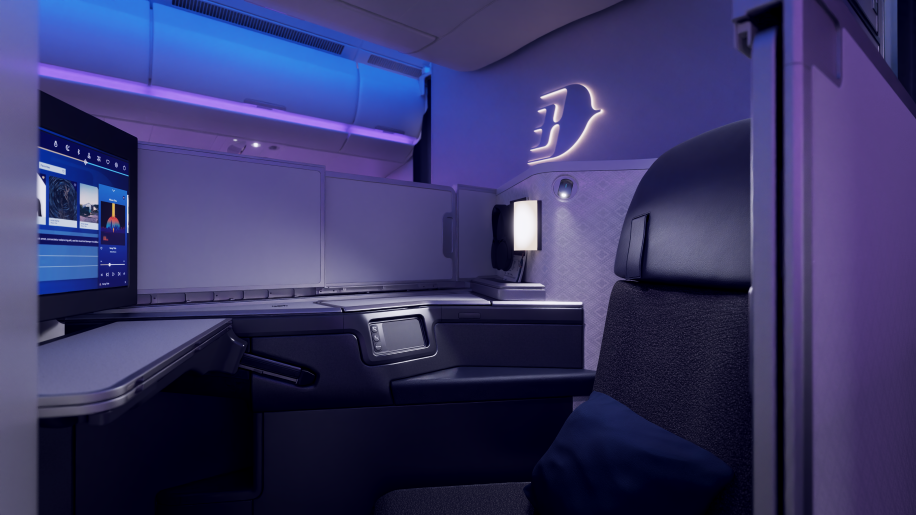
Fleet renewal is central to this strategy. Malaysia Airlines is in the process of introducing newer Boeing 737-8 and 737-10 aircraft, alongside additional Airbus A330neo planes. These upgrades are aimed not just at improving comfort, but at standardizing the onboard product across routes – an area where inconsistency has previously been a concern.
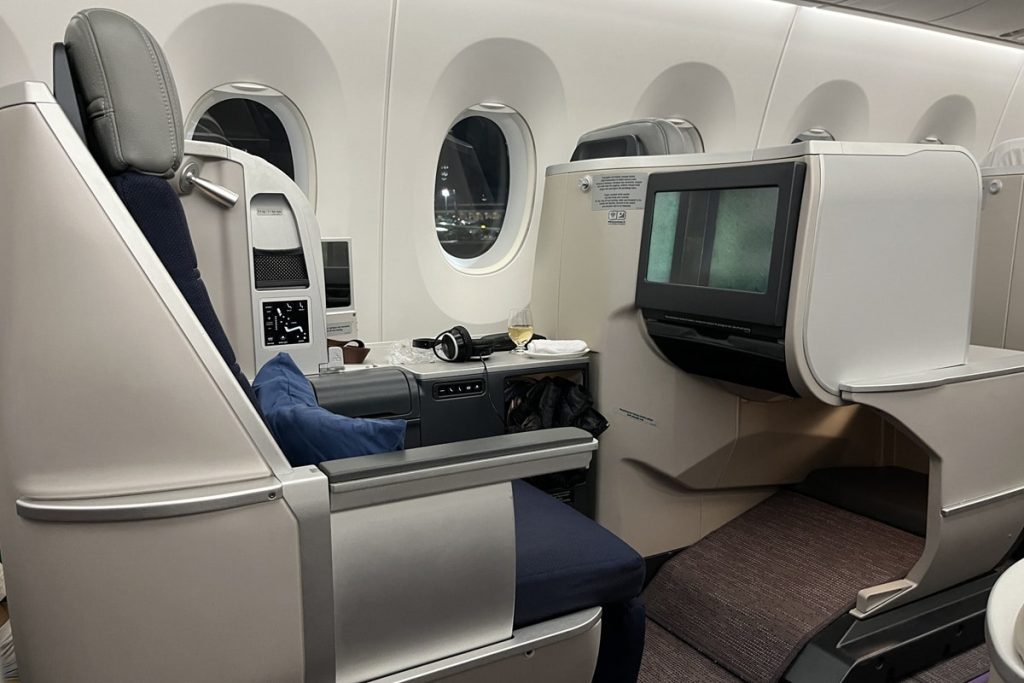
Looking further ahead, the airline has also confirmed plans to replace its Airbus A350 fleet by 2032, part of a broader effort to streamline operations and reduce complexity.
Passengers are also likely to notice changes in softer areas, particularly inflight dining. The airline has renewed its focus on curated menus that reflect Malaysian flavours, reinforcing its identity as a national carrier.
“We’ve moved from strength to strength in our inflight dining,” Foong added.
NETWORK EXPANSION AND REGIONAL COMPETITION
Beyond the cabin, Malaysia Airlines is also strengthening its network, with a clear focus on Asia-Pacific routes that matter to Malaysian travellers. Recent additions include Shenzhen and Changsha, alongside the return of Fukuoka, reflecting strong demand across China and Japan.
These routes are not just about growth, but about positioning. Competing effectively within Asia requires both frequency and reliability, particularly against established regional players such as Singapore Airlines and Cathay Pacific, as well as numerous well-regarded airlines in Taiwan, China, Japan, and South Korea.
“Our priority is to remain agile, driving financial resilience and operational sustainability while strengthening our network and product,” said Captain Nasaruddin A Bakar, Group CEO of Malaysia Aviation Group.
This measured approach is particularly relevant given the current global backdrop. Rising fuel costs, supply chain constraints, and broader economic uncertainty are expected to shape the aviation landscape in 2026. Against this, Malaysia Airlines is opting for controlled, disciplined growth rather than aggressive expansion.
For local travellers, this may translate into fewer headline-grabbing announcements, but more consistent delivery across routes and services.
There are already signs of progress. The airline’s recognition as Best Economy Class in Asia-Pacific at the 2025 Business Traveller Awards reflects improvements that are being felt by passengers, not just reported in financial statements. Meanwhile, its Enrich loyalty programme continues to gain traction, particularly among frequent regional travellers.
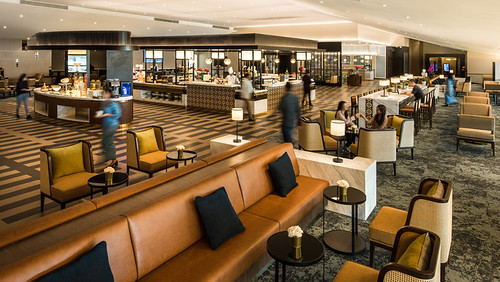
Still, as mentioned, the gap between Malaysia Airlines the region’s leading premium airlines remains, both in the cabin and in airport lounges in their home airports. Those carriers have spent years refining highly consistent products and building strong global brands. Malaysia Airlines is still in the process of defining its own competitive identity.
“Our ambition is clear, we want to be among the world’s top 10 airlines by 2030,” Foong said.
For passengers in Malaysia, that ambition is doubtlessly welcome – but it also raises expectations. Delivering on it will require not just incremental improvements, but sustained execution across every aspect of the operation. The direction, however, is clear, and for people in Malaysia who have been watching and supporting the airline throughout many years of turbulence, it’s certainly good news. Malaysia Airlines is no longer simply stabilizing. It is building – carefully, deliberately, and with a sharper focus on what travellers actually experience.
SOURCES: Business Traveller; Malaysia Aviation Group reports; Skytrax rankings; industry data