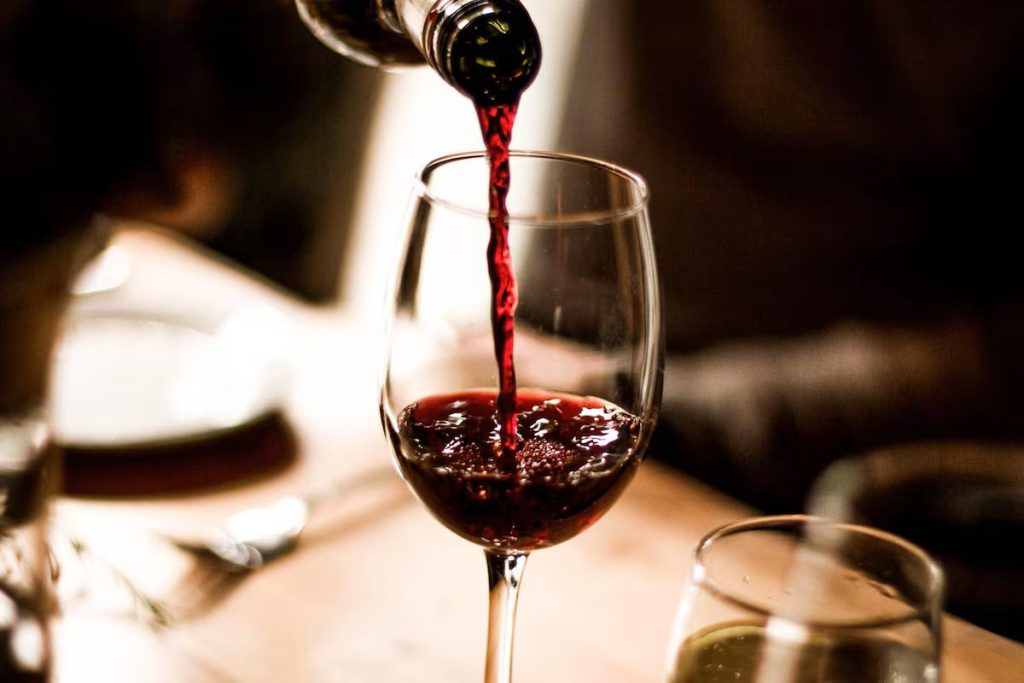



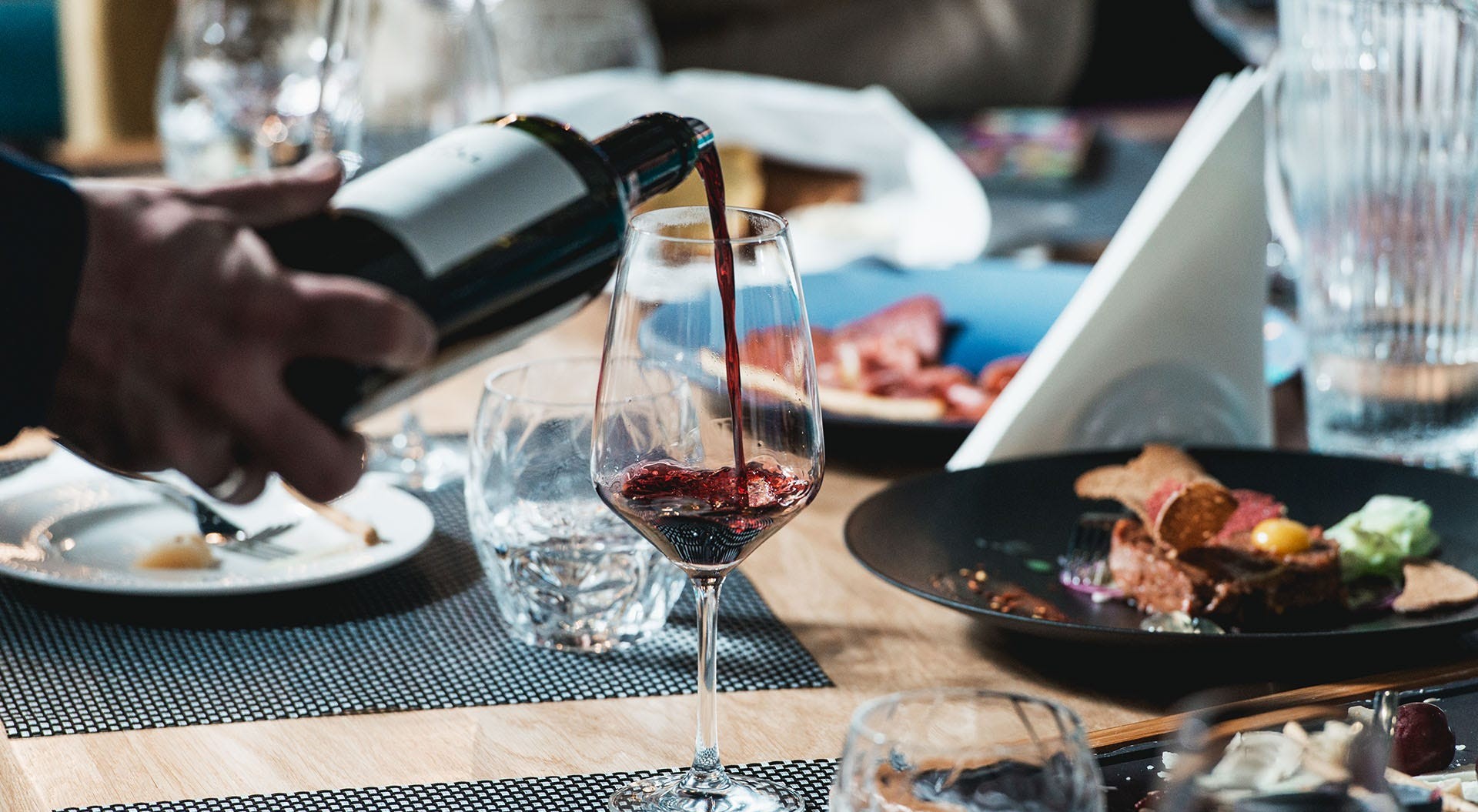
A growing number of sommeliers and wine professionals believe diners ordering wine by the glass should enjoy many of the same rituals and reassurances traditionally reserved for bottle service – and they may have a point.
As explored in a recent feature by Food & Wine magazine, and increasingly echoed by some wine writers and food bloggers in Malaysia, there’s an interesting conversation happening in the restaurant world about how wine-by-the-glass service is presented to diners – and whether it deserves a bit more ceremony, transparency, and care.
This is also something we take notice of ourselves when visiting and reviewing restaurants in Kuala Lumpur and Penang. What importance does the restaurant place on its wine program? How is wine presented? Is there a difference between bottle and by-the-glass service? Wine prices in Malaysia are, unfortunately, not trivial, so to us, the experience that accompanies a wine order is meaningful.
For anyone who regularly orders wine in restaurants, the traditional bottle ritual is instantly recognizable. The bottle arrives at the table, and the label is presented. The foil is cut, the cork removed, and a small taste is offered before the wine is poured. Even people who aren’t especially knowledgeable about wine tend to appreciate the ritualistic flourish of it all. It builds anticipation, establishes trust, and quietly signals that what’s about to happen is something a little beyond the ordinary.
By contrast, wine ordered by the glass often arrives already poured, sometimes without so much as a glimpse of the bottle it came from. Convenient? Perhaps. Efficient? Undoubtedly. But we would argue that it’s also a missed opportunity.
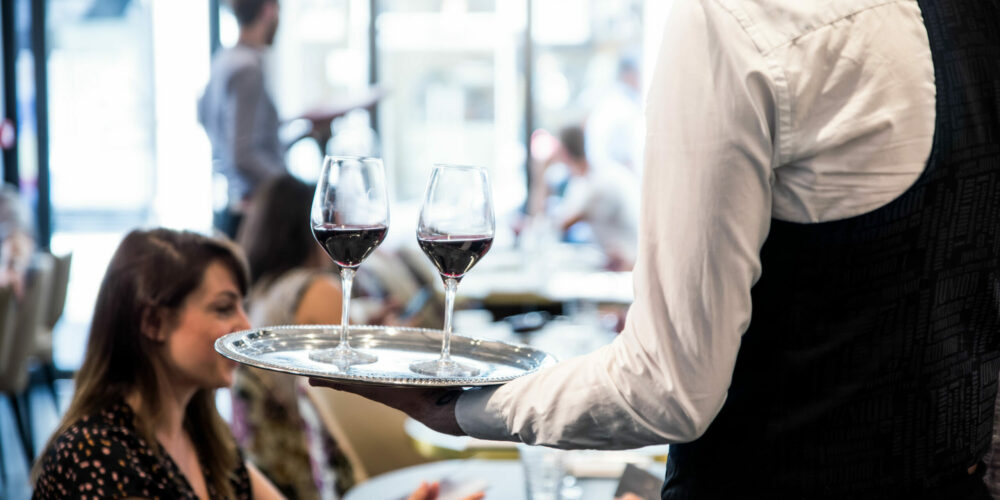
Many sommeliers now agree that even a simple by-the-glass order can benefit enormously from being poured tableside. Not because diners are trying to be difficult or precious, but because wine is one of the few menu items where provenance, producer, vintage, and presentation genuinely influence the experience.
“Presenting the bottle tableside adds transparency and builds trust, as guests can see exactly what they’re drinking,” said Albert Señor, head sommelier and restaurant manager at Quirat in Barcelona. It also helps diners “connect more closely with the wine.”
That idea of ‘connection’ comes up repeatedly among wine professionals. Unlike a cocktail, which is usually built behind the bar and arrives as a finished product, wine carries with it an identity that many enthusiasts actively want to engage with. The producer, region, grape variety, vintage, label design, and even bottle shape all become part of the story.
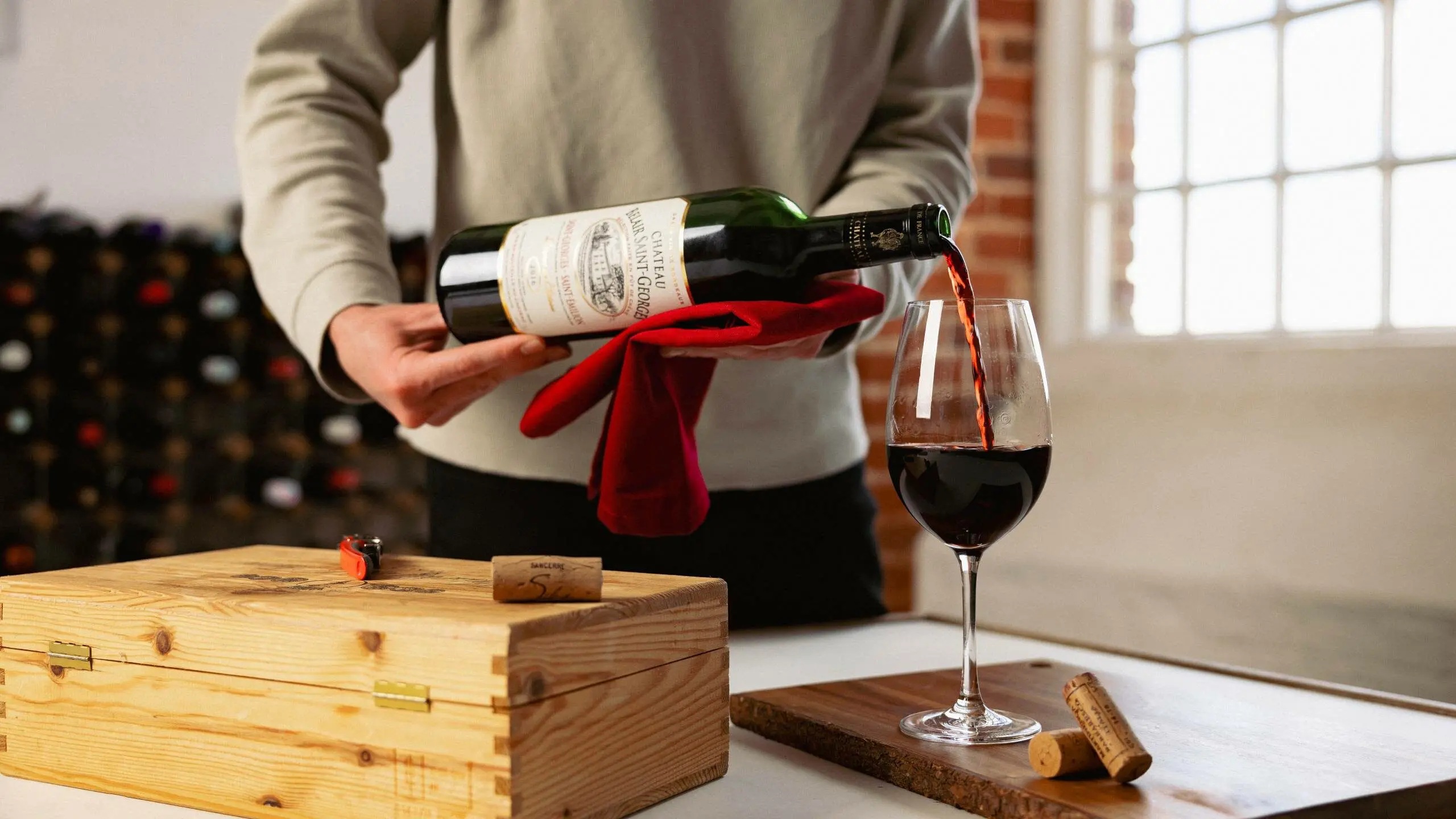
WHY THE BOTTLE SETS THE STANDARD
Wine has always traded heavily on narrative. A glass of Chablis is not merely fermented grape juice from Burgundy. A Barolo isn’t just some random “red wine from Italy.” Wine enthusiasts – and increasingly casual drinkers, too – often want to know where the wine comes from, who made it, and what makes it distinctive.
Seeing the bottle becomes the entry point into that storytelling narrative.
“It adds a visual dimension, helping cement the story and place of the wine in the guest’s mind,” explained Andy Fortgang, co-owner of Canard and Le Pigeon in Portland, Oregon.
Even wine labels themselves, often dismissed as mere marketing fluff, can shape perception in surprisingly meaningful ways. Some wineries commission artists for label artwork, while others use labels to communicate heritage, philosophy, or even a sense of humour. Entire books have been written about iconic wine labels and branding.
Erin Dudley, director of wine for Junebug in New Orleans and Neighborhood Restaurant Group in Virginia, believes this aspect shouldn’t be overlooked.
“Labels can help express the contents of the wine,” she noted, adding that some winemakers consider the label part of the overall craft itself.
There’s also a practical side to all this. In the Instagram era, many diners like snapping a quick photo of a wine they enjoy so they can remember it later. Without seeing the bottle, that possibility disappears. More importantly, when an already-filled glass arrives at the table, diners lose a level of certainty about exactly what they’re drinking, even if it’s something as basic yet fundamental as the vintage. The menu may say 2022, but the restaurant’s current stock on hand could be a 2023. While that may not make a pronounced difference in an entry-level mass-produced wine, for wines that are more structured – or whose grape composition may vary from year to year depending on harvest yields and quality – the vintage frequently plays a very important role.
As Kristina Hayden Bustamante, wine director at Rosewood Inn of the Anasazi in Santa Fe, pointedly observed: “How do you really know what’s being poured into your glass if you never see the bottle?”
Fair question, honestly. And while we certainly hope that what’s on the menu is indeed what’s in the presented glass (and believe that it usually is), tableside bottle presentation and pouring can nevertheless quietly establish greater confidence in the restaurant and its wine program. It also helps avoid possible mistakes by servers who may not be especially knowledgeable about wines.
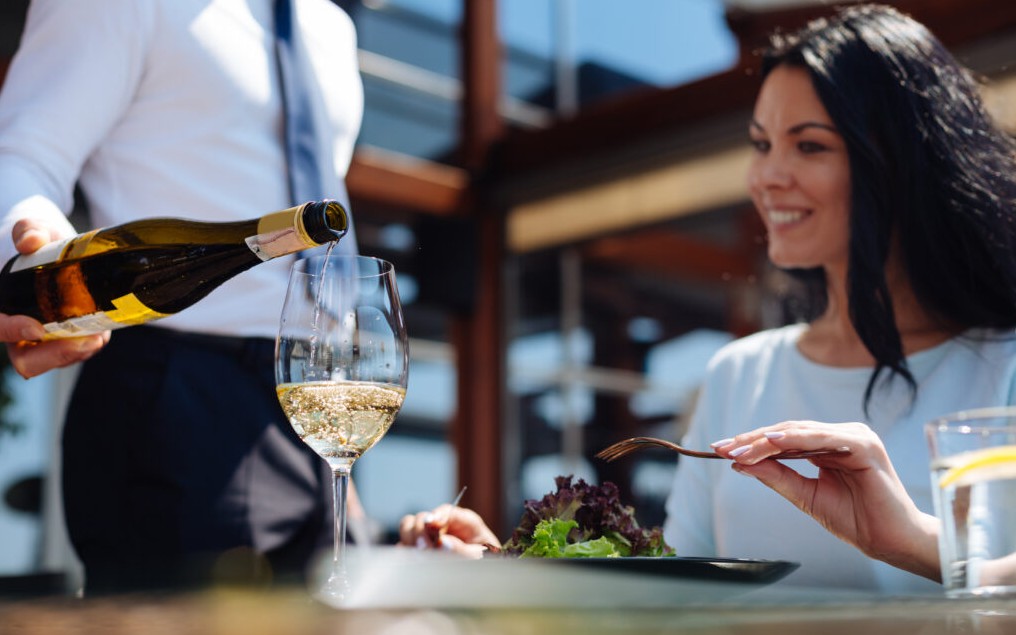
THE PRACTICAL REALITIES OF RESTAURANT SERVICE
Of course, there’s a likely reason tableside wine-by-the-glass service isn’t universally standard, at least in markets where wine is a popular choice when dining. Restaurants operate under constant pressure to balance hospitality with efficiency. A busy dining room can quickly descend into chaos if every by-the-glass pour becomes a mini sommelier presentation.
There are also quality concerns. Wines served by the glass are often preserved using systems designed to minimize oxidation, and constantly moving bottles around the floor can affect serving temperatures or simply slow things down operationally.
We don’t think either of these issues materially impacts wine service in Malaysia, as restaurants with good wine programs tend to be more upscale, with less hustle and bustle in their dining rooms. And even in those restaurants, it’s not like every diner is ordering wine. Wine is just not as crucial a part of the conversation in most Malaysian restaurants as it might be in those located in other countries.
Despite the potential for “dining room disruption” in busy restaurants, however, many wine professionals believe there’s room for compromise.
In our view, simply presenting the bottle before pouring can elevate the experience considerably. And though it’s perhaps less critical, offering diners a small taste before committing to a full pour can also be surprisingly valuable, especially when exploring unfamiliar wines or higher-priced selections. We think for pricey by-the-glass options, a little preview taste is a most welcome touch.
“If the wine is presented in front of the guest, it makes perfect sense to offer a small taste beforehand,” Señor explained. “It’s not about rigid protocol but reassurance.”
That reassurance carries more weight than some people may realize. Restaurants in KL increasingly offer premium wines by the glass through systems like Coravin, allowing diners access to expensive bottles without purchasing the entire thing. When a single glass might cost RM80, RM90, or even more, many diners appreciate a chance to confirm they will actually enjoy what they ordered.
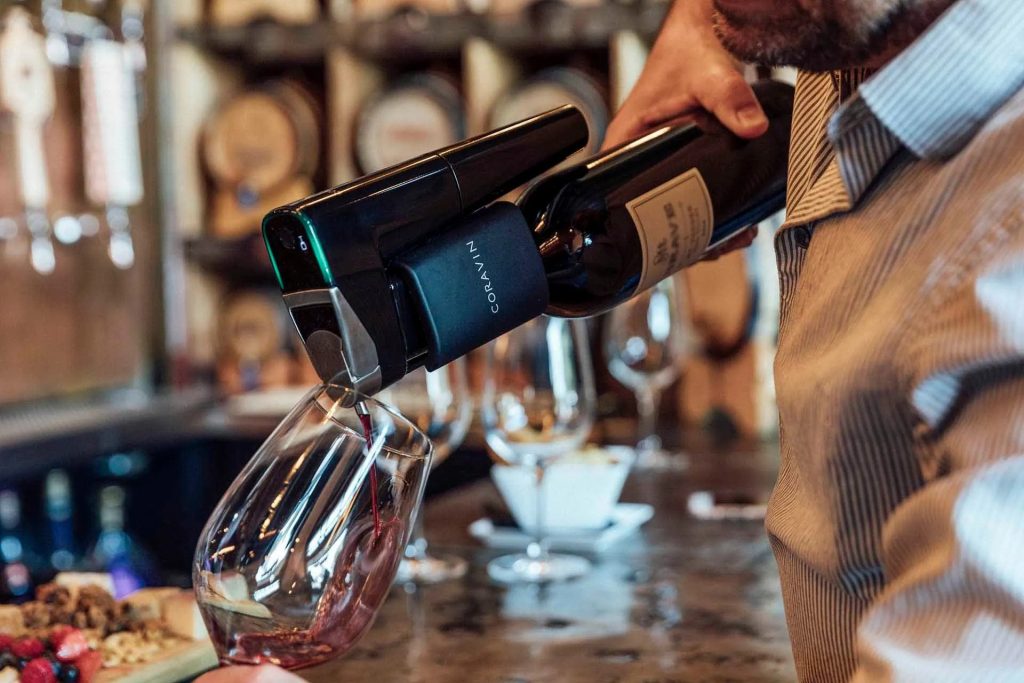
Importantly, sommeliers say diners shouldn’t feel awkward politely asking to see the bottle or requesting a tableside pour if feasible. The key, they stress, is simply to ask while still understanding that, in some instances, operational realities may prevent it. “Would you mind bringing the bottle out?” or “Could you pour that at the table for me?” are easy ways to frame the request. We have on occasion been most impressed when, without any request, a by-the-glass selection arrives at our table with the bottle and a perfectly clean glass perched on a small tray for true, proper wine service.
Our suggestion? Give it a try when ordering your next glass and see if you agree: when bottle-quality service accompanies a by-the-glass order, it tends to make the experience feel noticeably more special.
For novices and seasoned connoisseurs alike, wine remains one of the few things on a restaurant menu where guests can genuinely engage with the product before fully committing. That small moment of presentation, storytelling, and shared enthusiasm can transform an ordinary glass of wine into something far more memorable. And we think that’s a key part of a good dining experience – the wine elevates the food, the food elevates the wine, and when woven together with threads of service that’s polished but still personal in its approach, that’s when a meal becomes something genuinely special.
In a competitive hospitality landscape increasingly driven by speed and efficiency, we feel that perhaps that’s something worth preserving.