



Malaysia has long promoted itself as one of Asia’s most attractive destinations for expats, retirees, and international professionals. Yet a new global ranking of the world’s most expat-friendly countries and cities omits Malaysia entirely, prompting questions about whether the country’s appeal to foreign residents is changing – or whether the results simply reflect the methodology used.
For decades, Malaysia has enjoyed a well-earned reputation as one of Asia’s easiest places for foreigners to settle. A relatively low cost of living, widespread use of English, modern healthcare, good infrastructure, and established expatriate communities have long made Kuala Lumpur, Penang, and Johor popular choices for professionals, retirees, and long-term visitors alike.
That is why the complete absence of Malaysia from a newly released global ranking of the world’s most welcoming destinations for expatriates comes as something of a surprise.
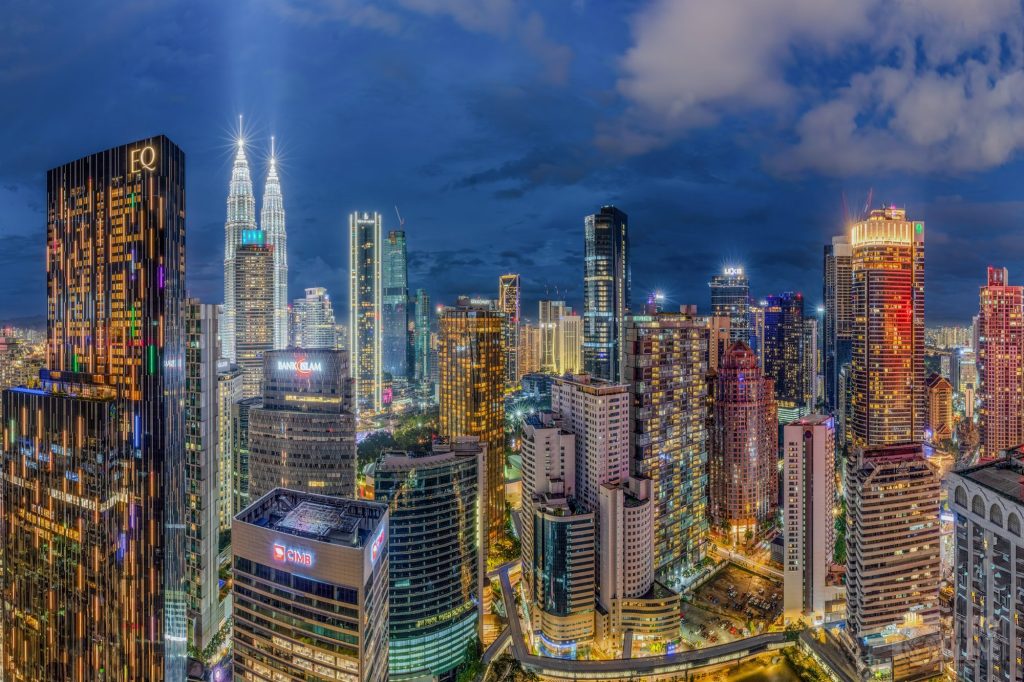
The study, conducted by international insurance provider William Russell, assessed countries and cities using six key criteria: actual expatriate experiences, migrant population size, employment opportunities for foreign-born residents, public attitudes towards immigrants, safety, and visa openness.
Malaysia did not feature among either the top 10 countries or the top 10 cities.
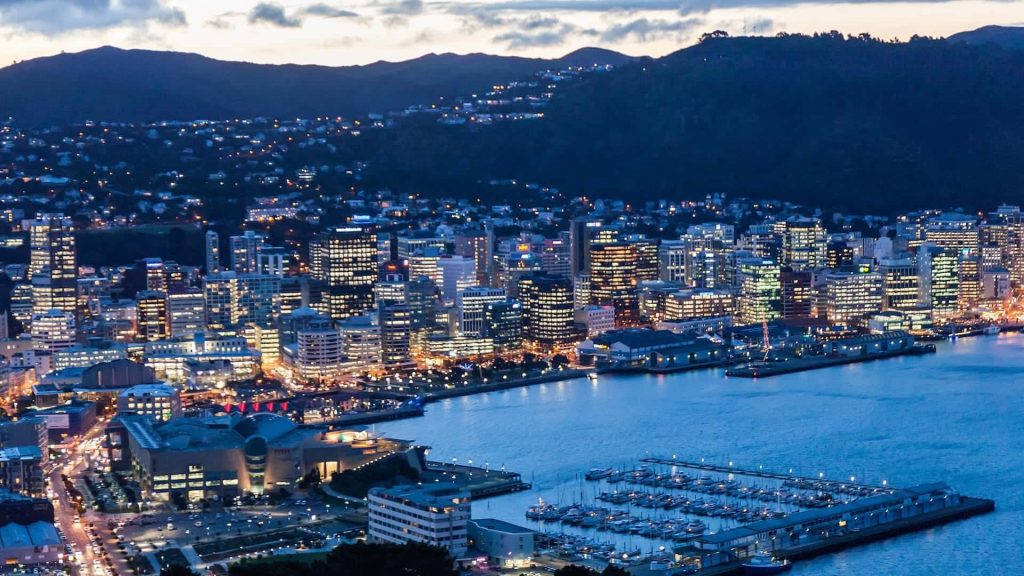
Instead, Iceland claimed the title of the world’s most welcoming country for expatriates, followed by Luxembourg and New Zealand. Australia, Switzerland, Ireland, Colombia, the Czech Republic, Portugal, and Austria completed the top 10.
| 1 | 🇮🇸 Iceland |
| 2 | 🇱🇺 Luxembourg |
| 3 | 🇳🇿 New Zealand |
| 4 | 🇦🇺 Australia |
| 5 | 🇨🇭 Switzerland |
| 6 | 🇮🇪 Ireland |
| 7 | 🇨🇴 Colombia |
| 8 | 🇨🇿 Czech Republic |
| 9 | 🇵🇹 Portugal |
| 10 | 🇦🇹 Austria |

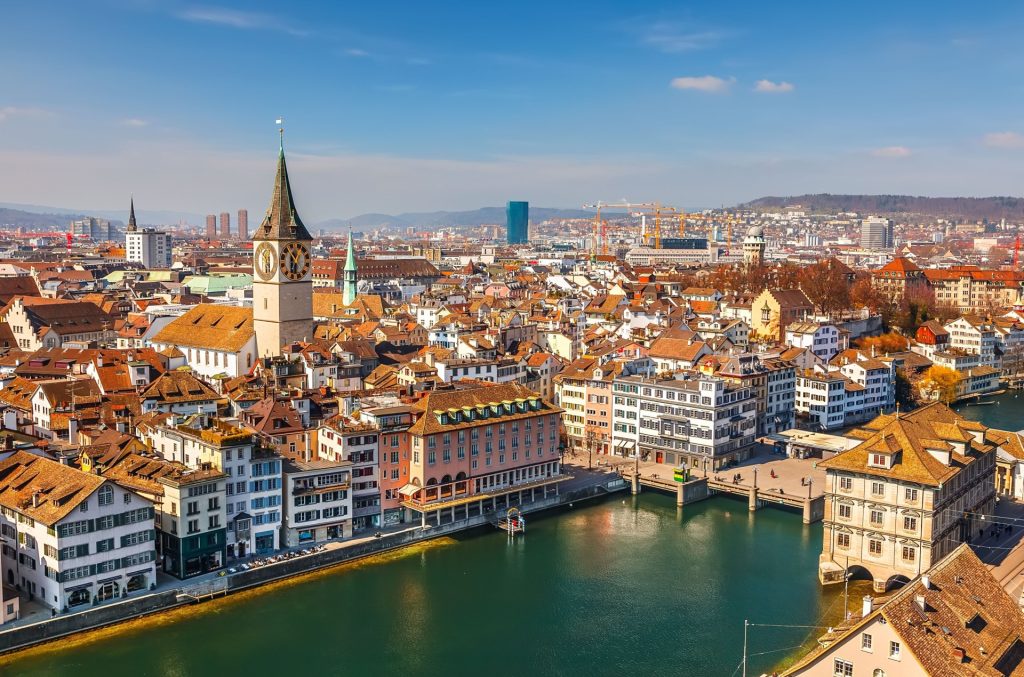
On the city front, Zürich came out on top, with Singapore and Tokyo tied for second place. Copenhagen, Munich, Prague, Dubai, Warsaw, Seoul, and Hong Kong rounded out the top 10.
| 1 | 🇨🇭 Zürich |
| 2 | 🇸🇬 Singapore (tie) |
| 2 | 🇯🇵 Tokyo (tie) |
| 4 | 🇩🇰 Copenhagen |
| 5 | 🇩🇪 Munich |
| 6 | 🇨🇿 Prague |
| 7 | 🇦🇪 Dubai |
| 8 | 🇵🇱 Warsaw |
| 9 | 🇰🇷 Seoul |
| 10 | 🇭🇰 Hong Kong |
A CHANGING LANDSCAPE?
Malaysia’s omission inevitably raises eyebrows, particularly given its long-standing efforts to attract foreign talent and retirees through initiatives such as the revamped Malaysia My Second Home (MM2H) programme and the various state-level MM2H schemes in Sabah and Sarawak.
It would be tempting to conclude that Malaysia has become less welcoming to foreigners. There is certainly anecdotal evidence suggesting that some expatriates have found the country’s immigration policies more restrictive in recent years, while successive revisions to MM2H have been criticised for creating uncertainty among prospective applicants.
Yet the picture is considerably more nuanced.
The William Russell study places significant emphasis on measurable indicators such as employment rates among foreign-born residents, visa openness, and public attitudes towards immigrants. It also draws upon expatriate surveys and demographic data rather than focusing on affordability or lifestyle alone.
That methodology naturally favours countries with large immigrant populations and highly internationalised labour markets, such as Luxembourg, Switzerland, and Australia.
Malaysia, meanwhile, has increasingly positioned itself less as a destination for mass immigration and more as one for skilled professionals, investors, retirees, digital nomads, and international students.
STILL A FAVOURITE FOR MANY
The omission is all the more interesting because other international surveys continue to paint a very different picture.
In recent years, Kuala Lumpur has consistently ranked highly in global expatriate studies, particularly those measuring quality of life, affordability, ease of settling in, and personal finances. Earlier InterNations surveys even placed Kuala Lumpur among the world’s top 10 cities for expatriates, while Malaysia ranked among the best countries overall for expat satisfaction.
Likewise, Resonance Consultancy’s latest World’s Best Cities report kept Kuala Lumpur at No. 50 globally, citing its strong labour force participation, improving infrastructure, and growing international appeal.
Anyone who has lived in Malaysia for an extended period will recognize many of the qualities that continue to attract foreign residents: excellent private healthcare, relatively affordable housing, international schools, multicultural communities, abundant dining options, and a strategic location for regional travel.

But on the other hand, rising costs and difficulties for securing employment visas, two-tier pricing and expat-discriminatory policies (such as the recent shift in driver licence conversions), and exclusion from “citizen-only” measures such as subsidies all serve to make tax-paying expats who contribute to the country feel a bit less than welcome.
That said, many expats also point positively to something that is a challenge to quantify in any global index: the friendliness of ordinary Malaysians. While navigating bureaucracy can occasionally be frustrating, daily interactions are often marked by warmth, curiosity, and genuine hospitality.
Whether Malaysia’s absence from this latest ranking reflects a subtle shift in attitudes towards foreigners or simply the limitations of one particular methodology remains open to debate.
What is clear, however, is that the competition for internationally mobile professionals is becoming increasingly intense. Countries around the world are actively refining visa policies, attracting investment, and creating pathways for skilled migrants.
If Malaysia wishes to remain one of Asia’s premier destinations for expats, maintaining policy clarity, reducing unnecessary administrative hurdles, being more inclusive rather than exclusive to them, and presenting an open, welcoming environment will become ever more important.
After all, rankings come and go. Reputation, once lost, is far harder to rebuild.
SOURCES: William Russell; Time Out; Euronews; Resonance Consultancy; InterNations.