




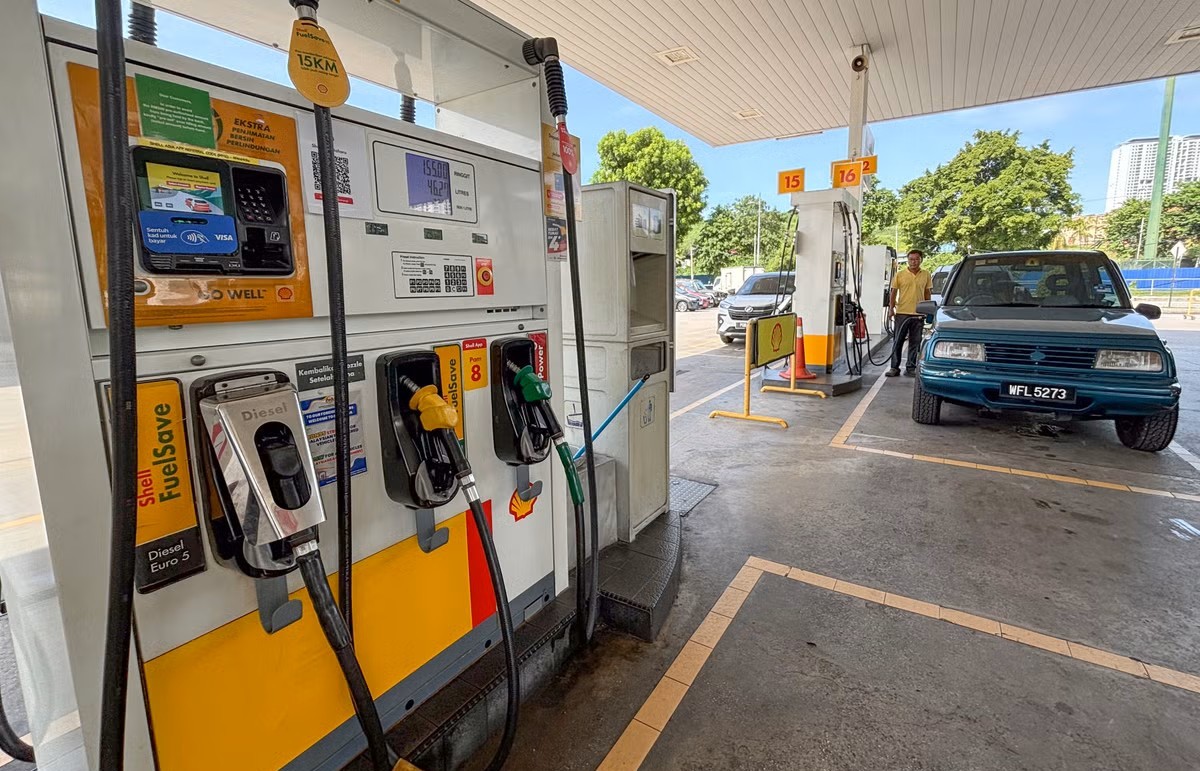
With global oil prices climbing and subsidy bills swelling, Malaysia faces difficult choices on fuel pricing, fiscal discipline, and long-term economic sustainability.
Malaysia’s long-standing fuel subsidy framework is once again under scrutiny, as rising global oil prices place renewed pressure on government finances. What was once a politically popular mechanism to shield consumers from volatility is increasingly viewed through a more pragmatic lens – one that weighs short-term relief against long-term fiscal sustainability.
According to the Socio-Economic Research Centre (SERC), the government should consider capping its subsidy for RON95 petrol at RM1 per litre, roughly half the current level. The recommendation comes as subsidy costs balloon, driven by a widening gap between subsidised and market-based fuel prices.
At present, eligible Malaysians pay RM1.99 per litre for RON95 under the subsidy scheme, while the unsubsidized cost – a pump price paid by resident expats, corporate buyers, and other ineligible motorists – has climbed to RM3.87. That gap of RM1.88 per litre is borne by the government, pushing the monthly subsidy bill to around RM4 billion – a dramatic increase from roughly RM700 million previously.
Diesel subsidies are also weighing heavily on the budget, with the blanket subsidy in East Malaysia now covering a massive gap between market prices and diesel pumps in Sarawak, Sabah, and Labuan. Here in Peninsular Malaysia, the cost of diesel just shot up again, now at a breathtaking RM6.02 per litre, the highest price in Malaysia’s history.
SERC executive director Lee Heng Guie was blunt in his assessment on the RON95 subsidy: “The government needs to bite the bullet… I think RM1 is reasonable for the government to maintain.” His remarks reflect a growing consensus among economists that Malaysia’s current subsidy structure, while effective in cushioning consumers, is becoming increasingly difficult to sustain.
MALAYSIA BEGINNING TO SEE THE EFFECTS OF THE WAR IN IRAN
The ongoing challenge is compounded by external factors. Global crude oil prices have surged past US$100 per barrel, well above the US$65 assumption underpinning Malaysia’s Budget 2026. Geopolitical tensions in West Asia, particularly involving the United States, Israel, and Iran, have obviously injected plenty of uncertainty into already volatile energy markets.
In response, the government has begun tightening its targeted subsidy framework under the Budi95 initiative. Effective April 1, the monthly subsidised quota was reduced from 300 litres to 200 litres. Prime Minister Anwar Ibrahim framed the move as necessary to “safeguard the broader public interest,” signalling a willingness to recalibrate policy as conditions evolve.
However, the government’s own figures show that over 90% of Malaysians using the subsidy barely even use 100 litres per month, so this move will have only a modest impact. A more meaningful solution would be to cap the subsidy at 100 litres, or reduce the actual amount of the subsidy overall, which is what SERC has embraced.
Even so, the numbers remain stark. Since mid-March, unsubsidized RON95 prices have risen by nearly 45%, while RON97 and diesel have surged by approximately 60% and 80%, respectively. These increases highlight the extent to which the government is absorbing cost pressures on behalf of consumers.
SERC estimates that if oil prices remain elevated, Malaysia could generate between RM10.5 billion and RM14 billion in additional oil-related revenue. However, this would be more than offset by subsidy expenditures of around RM33 billion. The net effect could push the fiscal deficit up by as much as 1.1 percentage points, exceeding the government’s 3.5% target.
A GROWING CONVERSATION ABOUT SUBSIDIES
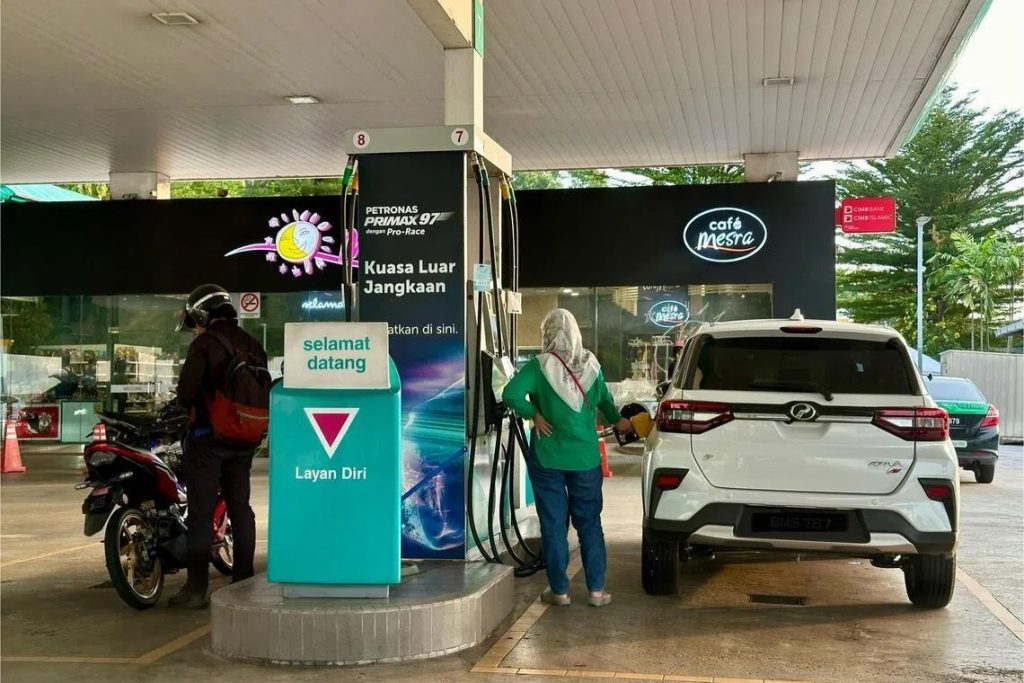
This is where the broader economic argument begins to take shape. Subsidies, while politically attractive, often distort market signals. By artificially lowering fuel prices, they can encourage higher consumption, reduce incentives for energy efficiency, and delay investment in alternative energy sources. Over time, these distortions can lead to inefficiencies that weigh on the economy.
There is also the issue of equity. Blanket subsidies benefit all consumers, including higher-income groups who are better positioned to absorb price increases. In this sense, the system may not be the most efficient way to support those who genuinely need assistance. Targeted subsidies, though more complex to administer, offer a more precise mechanism for delivering aid.
Still, the counterargument deserves consideration. Fuel prices have a direct and immediate impact on the cost of living, influencing everything from food prices to transportation costs. Maintaining subsidies at higher levels can help stabilise inflation and protect lower- and middle-income households from sudden shocks. In a period of global uncertainty, this kind of stability carries its own value.
Yet even proponents of strong subsidies acknowledge that such policies come at a cost. As one analyst noted in regional commentary, “Subsidies are not free – they are simply deferred costs that eventually show up elsewhere in the economy.”
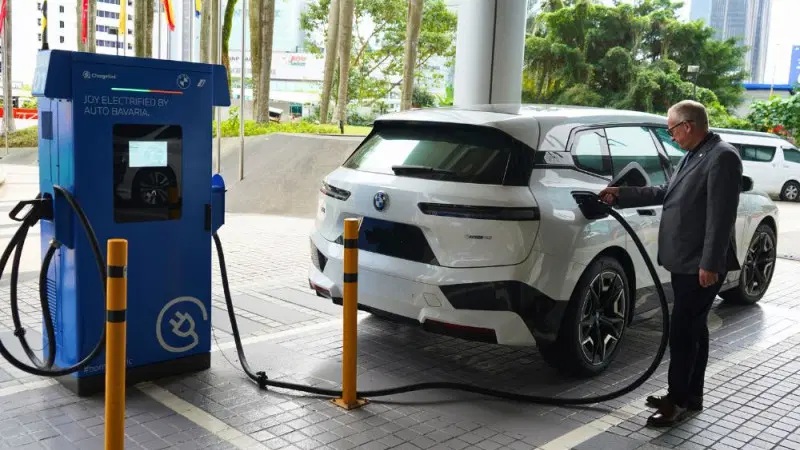
Beyond the economics, a broad reliance on artificially cheap petrol tends to dull the economic signals that would otherwise encourage more responsible energy use. When fuel is heavily subsidized, there is less incentive for households to conserve, for businesses to optimize logistics, or for consumers to consider more efficient vehicles. Over time, this can slow the adoption of cleaner technologies such as electric vehicles, public transport solutions, and renewable energy systems, all of which become less financially compelling when petrol remains inexpensive. It can also reinforce car dependency, contributing to congestion, urban sprawl, and higher emissions.
Additionally, on a more holistic socioeconomic level, these large, persistent subsidies can crowd out public spending in areas like education, healthcare, and infrastructure, while also creating expectations that are politically difficult to unwind – as elected officials in Malaysia have repeatedly discovered. In effect, what begins as a cost-of-living cushion can evolve into a structural dependency that delays progress on both environmental and economic fronts.
Critics say that when it comes to subsidies, the “piper will be paid,” one way or another. Whether through higher deficits, reduced public spending in other areas, or increased reliance on state-linked entities like Petroliam Nasional Berhad (PETRONAS), the financial burden must ultimately be accounted for.
HOW CAN MALAYSIA BEST RESPOND?
On that front, SERC has suggested that the government consider tapping PETRONAS for a special dividend to help ease fiscal pressures. The national oil company has already committed RM20 billion in dividends for 2026, and has in the past provided additional payouts during periods of heightened fiscal need.
However, relying too heavily on such measures raises its own questions about sustainability. Dividends from PETRONAS are, in effect, a transfer of resource wealth, and while they can provide short-term relief, they do not address the underlying structural challenges posed by rising subsidy costs.
Looking ahead, much will depend on the trajectory of global oil prices and the duration of the war in Iran. SERC has outlined a range of scenarios, from a relatively contained conflict with moderate price increases to a severe disruption that could push oil prices as high as US$180 per barrel. In the latter case, Malaysia could face economic contraction and significantly higher inflation.
For now, policymakers appear to be buying time, making incremental adjustments while monitoring the rapidly changing developments in Iran and elsewhere. But as Lee noted, “Nobody knows how much the government wants to subsidize… but RM1.88 [per litre] is a lot already.” If current trends persist, more decisive action may be unavoidable.
Ultimately, the debate over fuel subsidies in Malaysia cannot be simply about at-the-pump prices. It must take into account balancing immediate public welfare with long-term economic health. The choices made today will shape not only the country’s fiscal position, but also its broader trajectory towards a more efficient, resilient, and sustainable economy.
Sources: The Edge Malaysia; Bernama; SERC briefings; CNBC interviews with regional economists