



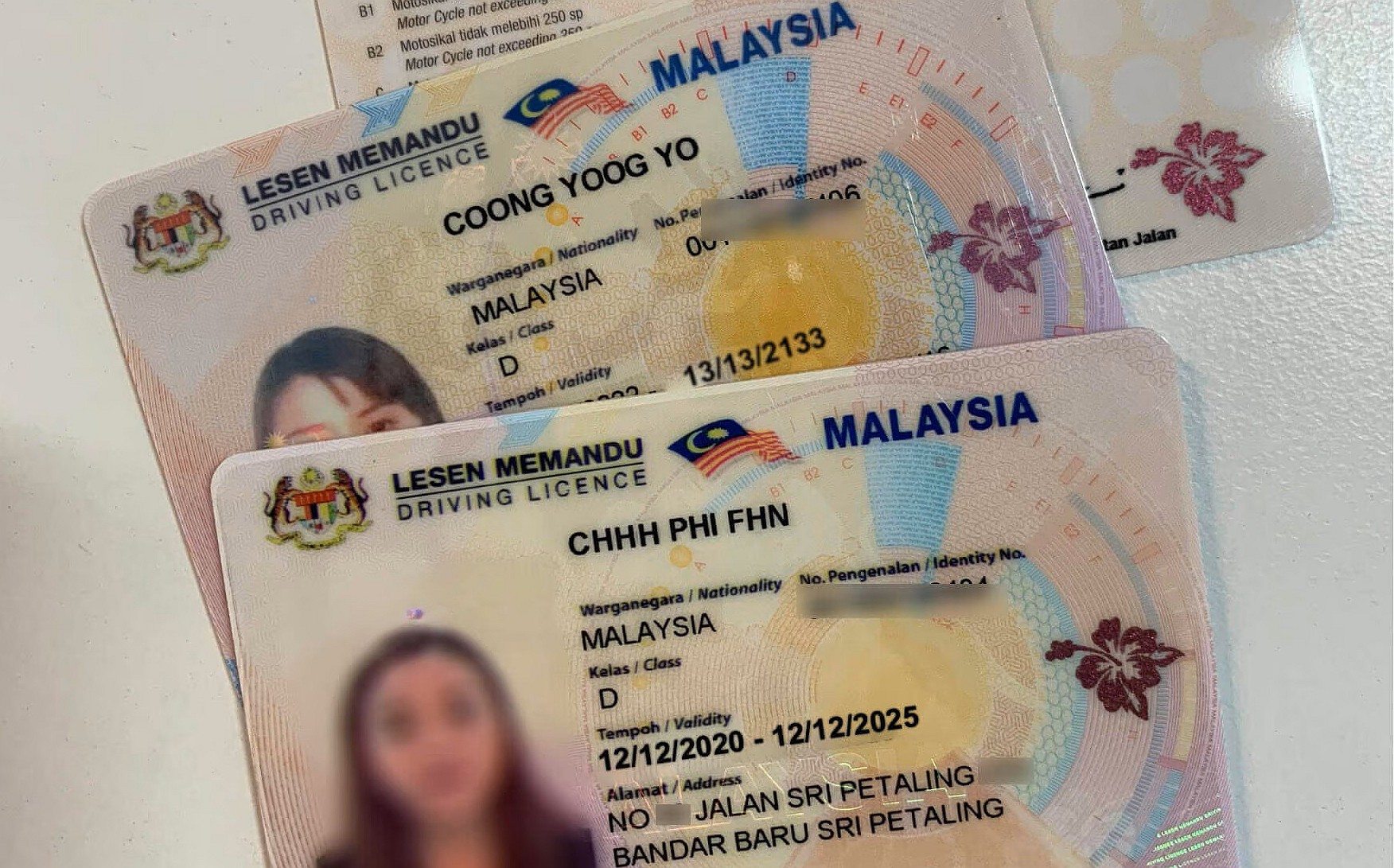
Another quiet policy shift has once again left many expatriates in Malaysia frustrated and bewildered. For many long-term residents, these changes can seem like microaggressions at best, and discriminatory hostilities at worst, with some feeling the signs are growing that they are valued economically, but not socially.
Recently, I was at a social event talking with some Malaysian friends, along with one other expat. Somehow the topic turned to work, and at one point, I was asked a question almost apologetically. “I don’t mean to pry or anything, but… do you pay any taxes here?”
I didn’t mind the question at all, of course, but the very fact that it needed to be asked was eye-opening. “Of course I do,” I replied. “Quite a lot, in fact.” I mentioned that I recently added up all the income tax I had paid over my many years of living and working in Malaysia and shared this figure – nearly RM200,000 – I could almost feel the mood shift… positively. Then, when I explained further that I was working on what is effectively a local pay package, they understood even better. “Actually, it’s worse,” I noted humorously. “I don’t get free medical care like you guys do; I have to pay for private insurance.”
After this little exchange, it occurred to me that perhaps many Malaysians have misunderstandings about the nature of being an expat here, and perhaps some are even harbouring deep, quiet resentments. After all, most seem to think I have permanent residency since I’ve been here for more than 15 years, and many seem to think I enjoy a lavishly outsized salary. When I tell them I’m just on a work visa (“Employment Pass”) that my company must painstakingly renew every two years, and that PR is exceedingly difficult to get in Malaysia, they always seem surprised. When I tell them I’m actually on a local pay package, the surprise turns to shock.
So with the latest little “knife in the back” – this time a blatantly unfair policy centered around driving licence conversions – I thought it might be a good time to write an article aimed at both clearing up some misconceptions and pointing out some apparent inequities that are, increasingly, part and parcel of living life as an expat in Malaysia.
A HAVEN FOR EXPATS… BUT IS THAT CHANGING?
Malaysia has long “soft-promoted” itself as one of Southeast Asia’s most welcoming destinations for expatriates. In many respects, that reputation is well earned. The country offers a comparatively affordable lifestyle, good infrastructure, widespread English usage, excellent food, modern healthcare, and a multicultural society that I feel remains one of its greatest strengths.
Though the number of expats in Malaysia is extremely small as part of the overall population (most estimates put the figure at less than one-half of one percent!), over the years, thousands of expatriates have chosen to build lives here. Some arrive for corporate postings, others to start businesses, teach, work in specialized industries, or join Malaysian spouses in raising families. Many stay far longer than initially planned because they genuinely enjoy the country and its people. I am one of those expats.
As TEG Media (the parent company of this website) is the country’s longest-running media group serving the English-speaking international community in Malaysia, we hear regularly from resident expats who, while they very much enjoy living in Malaysia, sometimes express frustration and dismay about various changes to policies here. Now, an upcoming policy shift involving driving licences has struck a nerve within the expat community because it underscores a blatant double standard.
To provide a bit of background: As a result of a recent policy change, foreigners residing in Malaysia (with the exception of MM2Hers and diplomats) can no longer convert their home-country driving licences into Malaysian licences through the long-established reciprocal recognition process. Instead, they must now effectively start from scratch – enrolling in local driving schools, paying substantial fees, sitting through weeks of classes and practical tests, and then driving under Malaysia’s probationary “P” licence system for two years before obtaining a full licence.
Yet, as just announced, Malaysians holding foreign driving licences are eligible for a relatively seamless and easy conversion process, with effect from June 1.
It is difficult to see how this is anything other than pure discrimination.
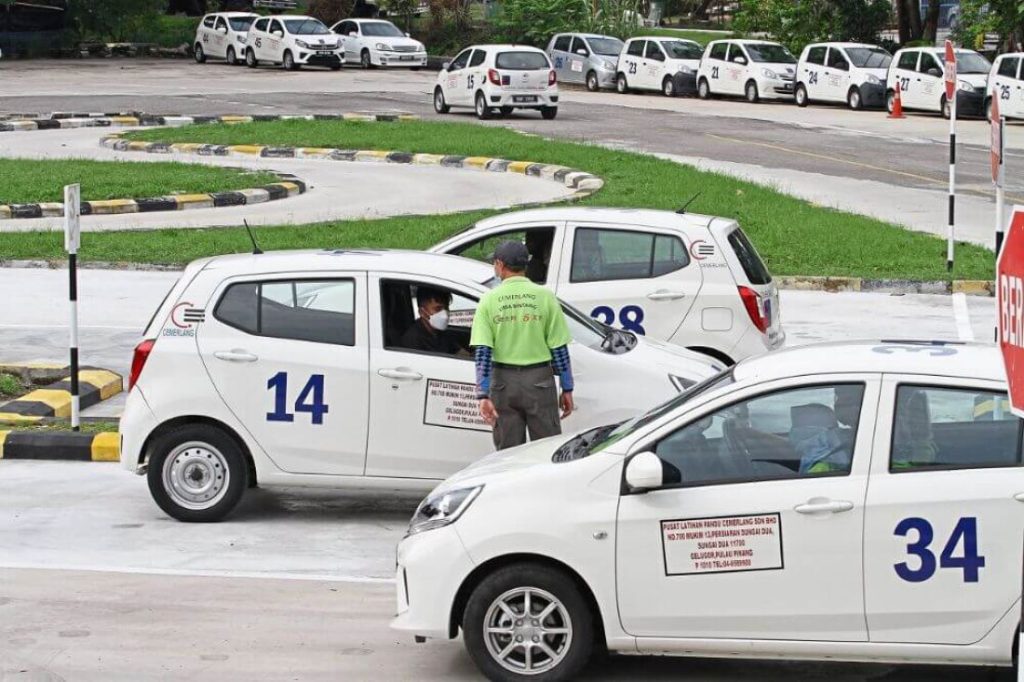
THE LICENCE IS THE SAME – ONLY THE HOLDER IS DIFFERENT
Consider this simple real-world example: A British citizen holding a valid UK driving licence has passed the same examinations, met the same standards, and demonstrated the same competence behind the wheel as a Malaysian citizen who also holds a UK licence after living abroad.
One individual can convert the licence. The other cannot. The only meaningful distinction is nationality… and that is the part many expats are struggling to understand.
Countries around the world routinely recognize the equivalency of foreign driving qualifications from nations with comparable (or more stringent) road safety and licensing standards. Malaysia itself did so for years. The logic was straightforward: if someone has already demonstrated driving competence in a recognized jurisdiction, there is little public benefit in forcing them through redundant, expensive, and time-consuming training.
Now, however, long-term foreign residents who may have decades of driving experience – often with spotless safety records – are being required to undergo a process designed primarily for brand-new drivers: driver education classes, written exams, practical driving procedures, and having to pass a series of tests to prove your competence.
For many, a particularly galling aspect is the mandatory probationary period. Experienced drivers in their 40s, 50s, or 60s may now have to display a prominent red “P” sticker on their vehicles for two years despite having driven safely for decades in countries with highly regulated licensing systems.
It is difficult not to view that as unnecessarily punitive.
The issue also arrives amid broader concerns among expats we’ve spoken to that Malaysia increasingly views them less as meaningful contributors to the country and more as outsiders to be managed.
Foreigners already pay tourism tax at hotels in Malaysia, even when they are long-term tax-paying residents. They now also pay considerably higher prices for fuel. They are now even excluded from subsidized cooking oil purchases. They frequently encounter two-tier pricing structures or restrictions on services despite contributing fully to the tax base. One expat told me that it seems increasingly at every turn, expats are reminded in little ways that they’re outsiders in Malaysia – and we have been told it’s starting to make some expats feel a bit unwelcome.
Importantly, and contrary to a common misconception, as I recently discovered, expatriates working legally in Malaysia do indeed pay taxes in Malaysia – often substantial ones.
Many pay Malaysian income tax at rates comparable to or higher than locals, alongside road tax, sales tax, service tax, assessment fees, tolls, visa fees, insurance costs, and a wide array of indirect taxes. Foreign workers and professionals also generate considerable government revenue through work permit and immigration charges.

EXPATS AREN’T PAID EXORBITANTLY… AND THEY AREN’T TAKING MALAYSIAN JOBS
I think it’s also important to clear the air about salaries, because the image some people have of expats living lavishly on enormous overseas packages is increasingly outdated. That may have been the case 30 years ago, but these days, you’re much more likely to find expats on a local pay package. Decades ago, expat postings in Asia came with an array of perks beyond a high salary, such as a car (or car allowance), paid housing, full insurance, school fees paid for the kids, maybe a personal driver, and reimbursement for annual flights back to their home country to visit. Some even got an extra “hardship allowance” for agreeing to relocate to Malaysia! Such allowances have absolutely disappeared, but even beyond that, we would challenge anyone to find many expats in Malaysia being showered with the wondrous compensation packages today that may have been enjoyed in decades past.
Outside a relatively small number of senior multinational executives, most expatriates in Malaysia today work on compensation packages that are far closer to local market rates. If an expat is well-paid, it’s likely because the position is specialized or sufficiently high-ranking enough to warrant a higher salary. (In other words, if an equally educated and skilled Malaysian was working in the same role, they’d very likely be paid a similar salary.) In many industries, foreigners are hired not because companies want to spend more, but because they need specific experience or expertise.
Malaysia’s own immigration rules already ensure this.
Foreign professionals must typically possess university qualifications, relevant work experience, minimum salary thresholds, and employment within government-approved sectors. Companies hiring these expatriates must go through a lengthy approval process to justify the hire, showing that Malaysians could not reasonably fill the role. Now, with minimum salary thresholds for Employment Pass holders reportedly set to increase significantly in June, the barriers are becoming even higher.
Against that backdrop, little things like removing driving licence conversion rights feels unnecessarily hostile.
HERE’S WHY THIS MATTERS TO EXPATS
To some Malaysians, this latest shift may sound like a minor inconvenience. After all, locals themselves must go through driving schools and probationary periods.
But for expats who are already navigating visa renewals, banking requirements, insurance hurdles, and other administrative challenges that come naturally with living in a foreign country, these kinds of policies accumulate. Individually, they may appear small. Collectively, they create the impression that foreigners are tolerated economically while being perpetually kept at arm’s length socially.
For many expats, as I’ve found over time, that perception matters.

The actual truth is, Malaysia competes aggressively for foreign investment, skilled workers, retirees, entrepreneurs, and international talent. The country benefits enormously from expats who establish businesses, employ Malaysians, rent or purchase homes, support local schools, and contribute to entire economic ecosystems. This is why Malaysia pursues expat talent, and at least on the surface, welcomes them.
In fact, expatriate property purchases have often helped absorb portions of Malaysia’s longstanding residential property overhang, particularly in higher-end urban developments.
Beyond that, many expats also become deeply integrated into Malaysian society. They marry locals, raise Malaysian children, participate in local communities, and build long-term lives here. They are not transient tourists. They are stakeholders in the country’s success.
None of this means expats should expect identical treatment to citizens, and I believe that’s well understood. Based on years of conversations with expats from around the world, most understand clearly that they are guests in Malaysia and are generally grateful for the opportunities the country provides. I am among them. This is not my home country, and I am here only because Malaysia extends a gracious welcome to me.
But fairness still matters.
A policy that judges a driving licence not by its standards or issuing country, but solely by the nationality of the person holding it, inevitably raises uncomfortable questions about equal treatment and, quite frankly, practical logic.
If the concern is road safety, then evaluate the issuing jurisdictions. If the concern is fraudulent licences, tighten verification procedures. If the concern is revenue generation, be transparent about it.
What seems harder to justify is treating two holders of the exact same foreign licence completely differently based solely on citizenship status.
Bottom line: Malaysia has spent years cultivating an image as one of Asia’s most open, moderate, and internationally minded countries. And expats like me have not just benefitted from that approach, but we appreciate and respect it, too. It’s what has helped us – hopefully – to contribute to Malaysia, both economically and socially. Policies like this risk undermining all of that, in subtle but meaningful ways.
And perhaps most importantly, such inequitable policies risk alienating people who genuinely want to be here, and who we believe make a positive contribution to the country they love to call home.