



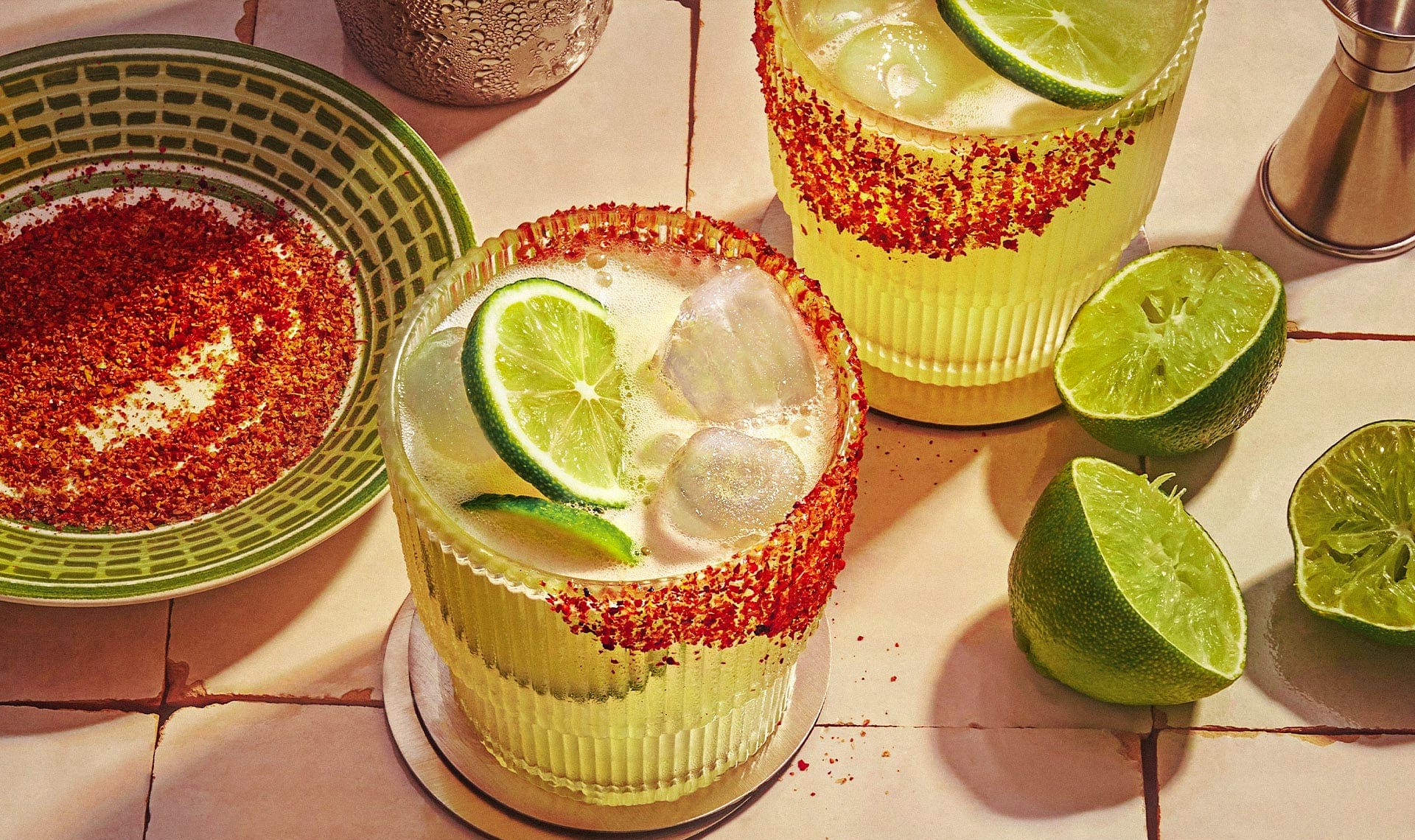
Smoky, complex, and deeply rooted in Mexican tradition, mezcal is steadily finding its way into the glasses of adventurous spirit lovers around the world. An increasing number of F&B outlets in Malaysia are introducing guests to this remarkable, artisanal agave spirit.
We all know about wine-paired meals, but it’s always nice to step outside the box and mix things up a bit. As connoisseurs of fine spirits and thoughtful food pairings, we find it refreshing to come across an event that dabbles in just this sort of thing, such as one that placed a singular spotlight on mezcal, a fascinating spirit that may well become the next ‘hot’ category for those who appreciate a good – and genuinely well-crafted – drink. This particular pairing event was not anything recent, but it was quite memorable in that it coincided with the launch of a specific brand of mezcal at Undisclosed Location, a charming restaurant in SS4 that recently notched its third anniversary – and which happily boasts a growing selection of this spirited Mexican delight.
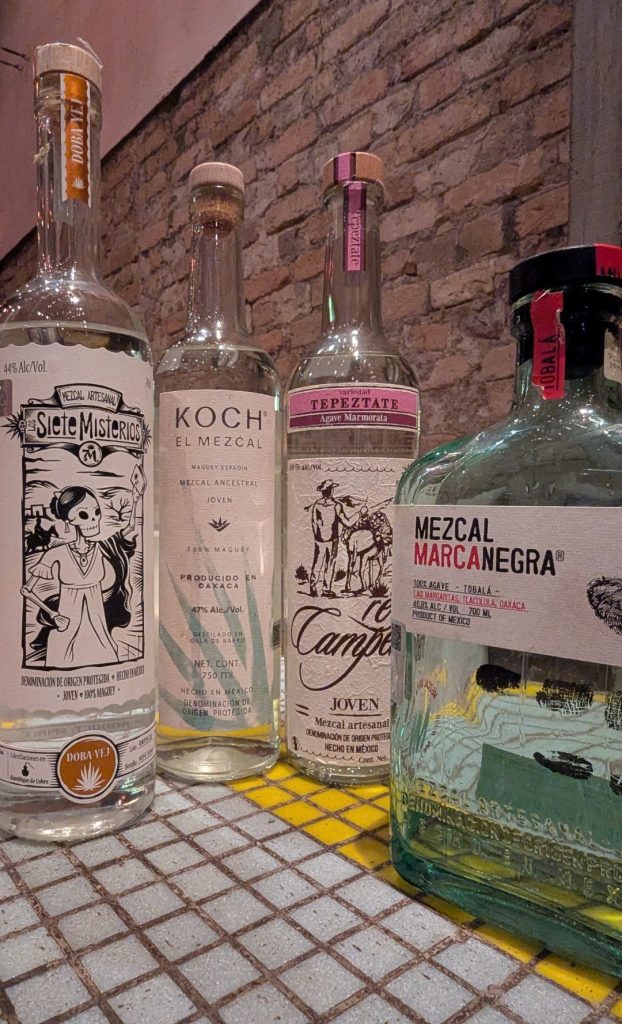
Mezcal, which you can think of as tequila’s lesser-known but arguably more intriguing cousin, is a distinct Mexican spirit in its own right. In fact, while tequila has become globally ubiquitous – often aided by salt, lime, and regrettable life choices – mezcal has remained somewhat more niche, artisanal, and deeply rooted in regional traditions. What sets mezcal apart? Simply put, it’s primarily the agave, an extraordinary plant with deep roots in Mexico’s history and culture. But it’s also the places it’s grown, the production methods, and the talent of those who make it.
MEZCAL: MEXICO’S FAVOURED SPIRIT
Unlike most spirits, which rely on annual crops like grains, grapes, or fruits, agave plants take years to mature before they can be harvested. Depending on the species, that process can range from about seven years to well over two decades in some cases. Once harvested, the plant does not regenerate in the same way a vineyard or grain field does, meaning growers must begin the lengthy cultivation cycle again. This time-intensive process contributes to mezcal’s relatively limited production and, often, its premium positioning in the market. It also explains why many mezcal producers speak about their craft with the sort of respect and reverence usually reserved for fine wine or single malt whisky.
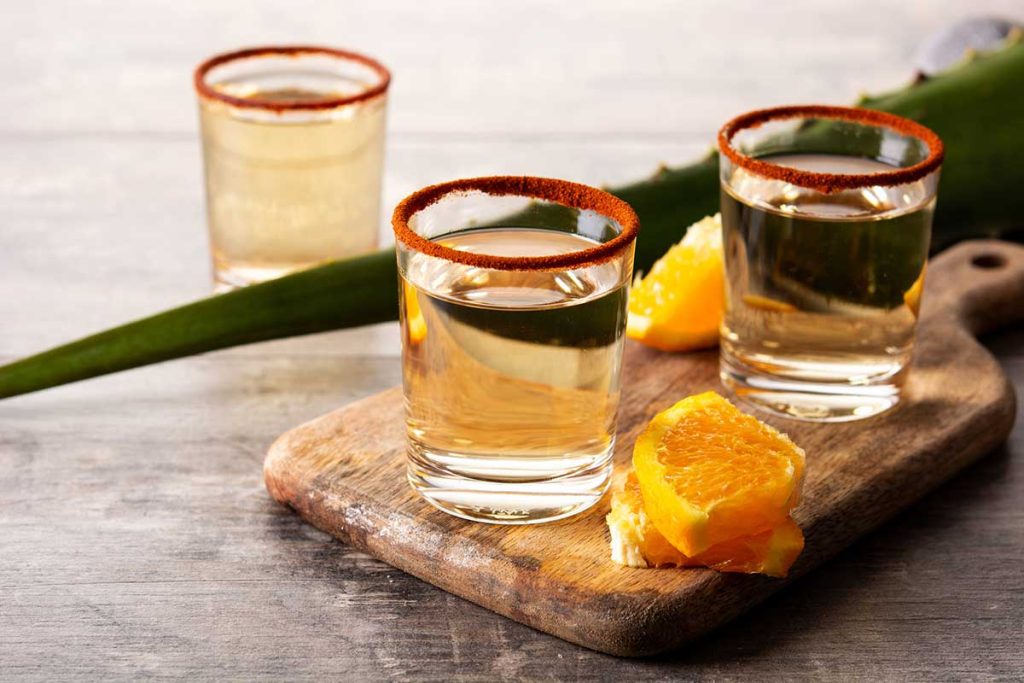
While tequila is inarguably Mexico’s most popular export, and by far the best-known Mexican spirit, the case could easily be made that mezcal is Mexico’s national drink. And perhaps more than nearly any other spirit, mezcal conveys a real sense of place.
Mezcals are distinguished not only by where they are made, but also by the species of agave used in production. Oaxaca, the Mexican state which is the heartland of mezcal production and home to the majority of certified mezcal output, most commonly uses the espadín agave variety. (Remember that word, as you’ll see it again.) Espadín accounts for the lion’s share of mezcal production due to its relatively high sugar yield and more manageable cultivation cycle. However, adventurous drinkers can also encounter expressions made from tobala, arroqueño, tepeztate, cuishe, and numerous other agave varieties, each bringing its own distinctive flavour profile to the glass.
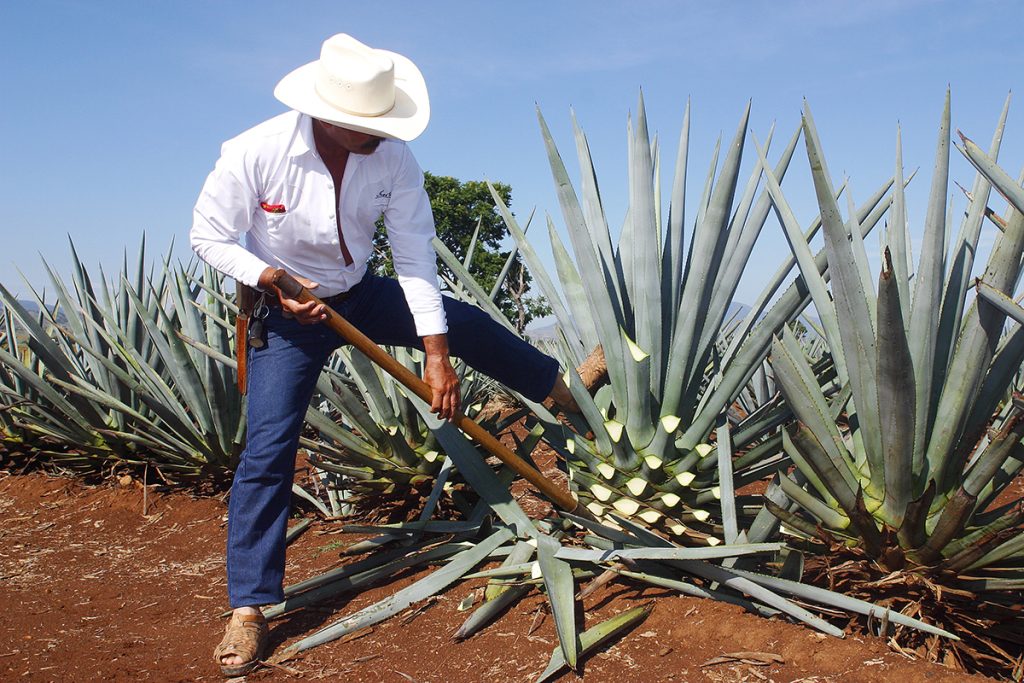
Other Mexican states – there are 31 in total, though not all grow agave in a big way – contribute their own regional interpretations. The states of Michoacán and Guerrero often feature cupreata agave, while Durango is associated with cenizo agave. The rabbit hole goes even deeper when one begins exploring related regional spirits with their own Denominación de Origen protections. Raicilla from Jalisco, for example, sits outside the formal mezcal denomination despite sharing many similarities, while Bacanora from Sonora occupies another fascinating corner of Mexico’s agave-spirit landscape. The deeper you dive, the more mezcal reveals itself not merely as a drink, but as a sprawling cultural category with remarkable diversity and history.
Of course, comparisons with tequila are inevitable, though the relationship between the two is often misunderstood. Technically speaking, tequila is indeed a type of mezcal, since both are distilled from agave. However, tequila is specifically made using one specific species – Blue Weber agave – and is subject to far more tightly controlled production regulations and geographical restrictions.
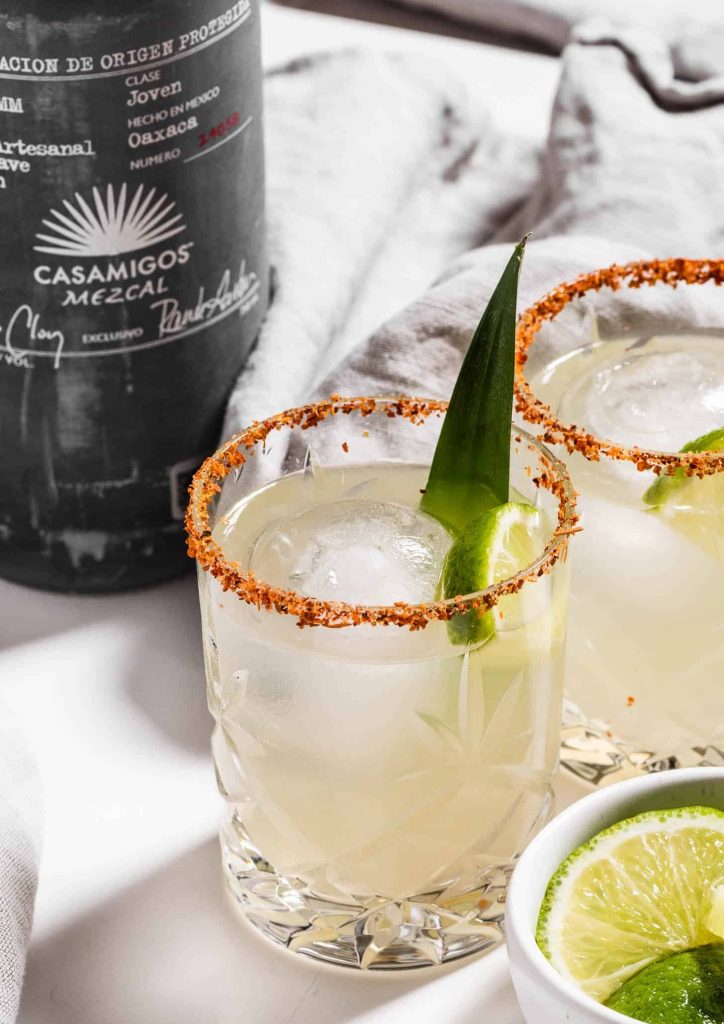
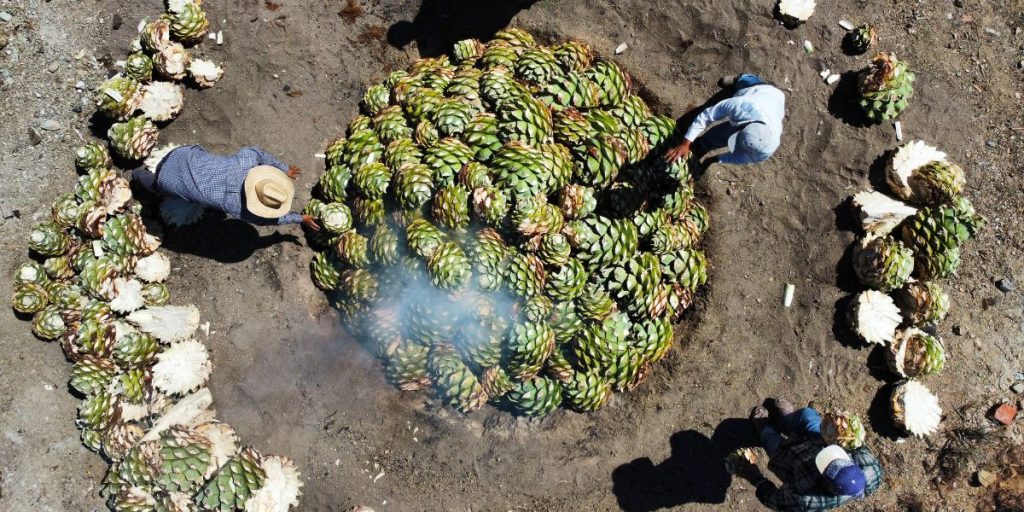
Mezcal, on the other hand, generally embraces a considerably more artisanal approach. One of its defining characteristics is the traditional roasting of agave hearts – or piñas – in underground earthen pits (or sometimes just a shallow indentation in the ground) lined with hot stones and covered with soil. This roasting process imparts the smoky character that many drinkers immediately associate with mezcal, though the intensity of that smokiness can vary dramatically depending on the producer and production style. Some are intensely earthy and campfire-like; others are surprisingly delicate, floral, herbaceous, or even tropical in character.
Tequila production, by contrast, typically involves steaming or baking agave in above-ground ovens or industrial autoclaves, resulting in a cleaner and generally less smoky profile. Mezcal’s comparatively relaxed regulations and broader use of agave varieties give producers greater latitude to experiment and preserve distinctive regional traditions, which in turn creates a remarkably diverse category for enthusiasts to explore.
A SPIRIT FOR FOOD
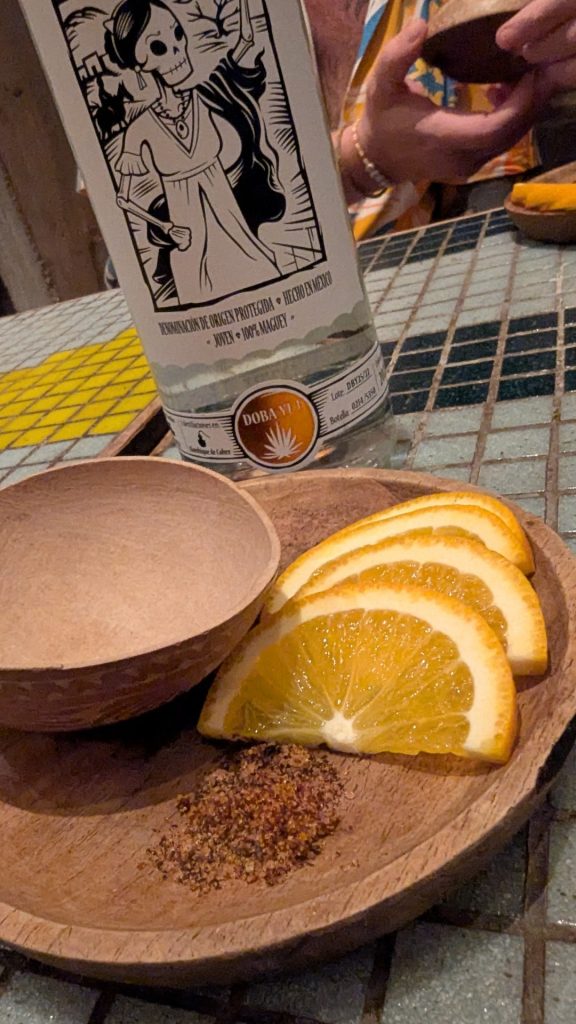
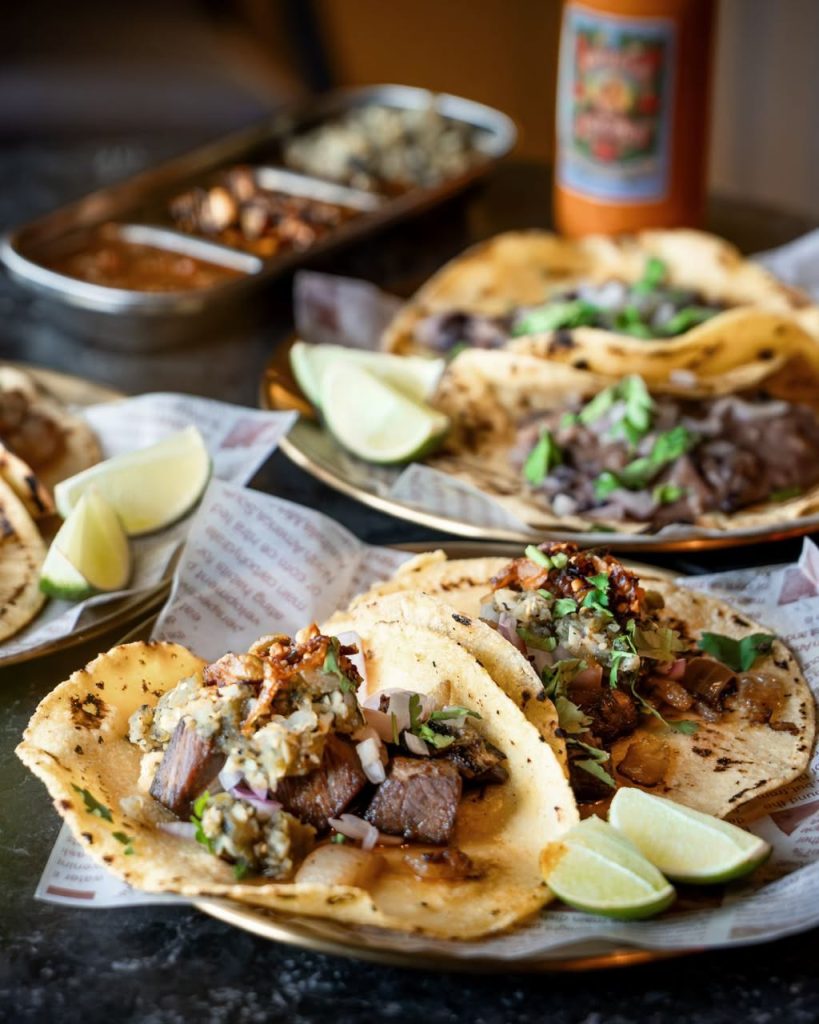
That versatility also makes mezcal an exceptional companion for food. Its smoky, grassy, savoury complexity pairs naturally with grilled meats, rich sauces, roasted vegetables, and even certain seafood dishes. Bartenders, too, have embraced mezcal enthusiastically in recent years, incorporating it into cocktails ranging from twists on the margarita and negroni to entirely original creations designed to showcase the spirit’s layered and highly diverse character. We like it in a classic paloma, too.
In other words, mezcal is no longer merely tequila’s quirky cousin hiding in the shadows. It has evolved into a serious category in its own right – one with history, craftsmanship, regional identity, and just enough mystery to keep curious drinkers coming back for another sip.
We don’t think we’ll ever see it explode into the mainstream here in Malaysia the way it has in Mexico’s northern neighbour, which is also naturally its biggest export market by far – the United States – but it’s undeniable that mezcal has grown here in both popularity and availability here in just the last few years.
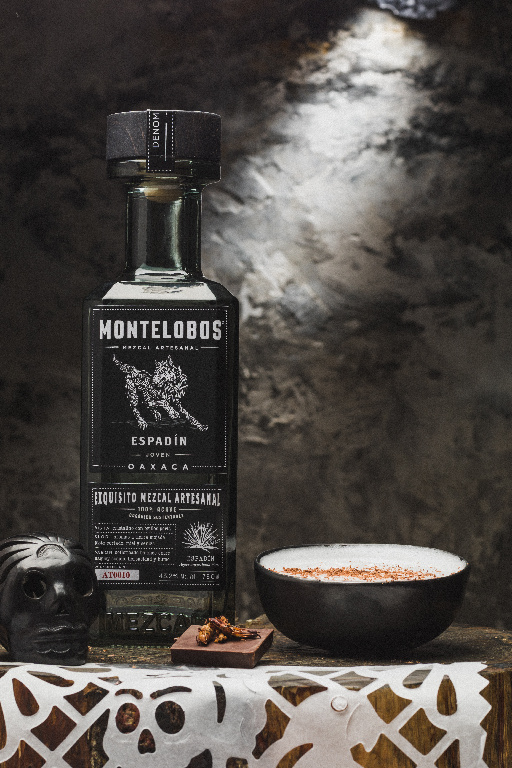
Though it’s increasingly on the shelves, at least to a limited degree, in many bars in Kuala Lumpur, the two places we’ve found to really get a good intro to mezcal are JOLOKO in KL and Undisclosed Location in PJ SS4, and we’d keenly recommend either of these places – not just for their knowledge and love of mezcal, but for what we think is some genuinely good food, too! (Ask for Rick at JOLOKO or Mervin at Undisclosed Location, and if you’re lucky enough to catch them, you may well get a bit of education along with your order.)
If you’re wandering around in Penang, you can nip into the always-charming China House – we saw a respectable range of mezcals in their bar area, too!
For retail purchases, we recommend Single and Available, a shop (both physical and online) that’s more well-known for their whisky selection, but are steadily growing their range of mezcals now, too. Brands on offer now include Montelobos, Los Vecinos del Campo, Creyente, Marca Negra, and 400 Conejos. A word of warning, though: Because of mezcal’s highly artisanal nature and Malaysia’s crushing taxes on alcohol, once you move out of the joven (young) and espadín ranges (which tend to be relatively affordable), the prices for certain mezcals quickly soar.
But do make it a point to add mezcal to your list of spirits to explore, if you’ve not already done so. Whether enjoyed neat, in a simple highball with a wheel of lime, or as part of a complex crafted cocktail, mezcal is the spirit you never knew you needed so much!