



As debate continues in Peninsular Malaysia over a recent music event, leaders in Sarawak are taking a different approach – one that underscores East Malaysia’s openness, cultural confidence, and tourism potential.
A proposal to bring a water music festival to Sibu is gaining traction, with local leaders positioning the Sarawak town as a willing host for the kind of creative, multicultural events that have recently stirred controversy in Peninsular Malaysia.
Bawang Assan assemblyman Wong Soon Koh has put forward the idea of staging an annual festival at Sibu Town Square, arguing that the district is well-placed to embrace such initiatives. His remarks come in the wake of public debate surrounding the Rain Rave Water Music Festival in Kuala Lumpur, which drew criticism from some conservative quarters despite its positioning as a youth-oriented, lifestyle event.
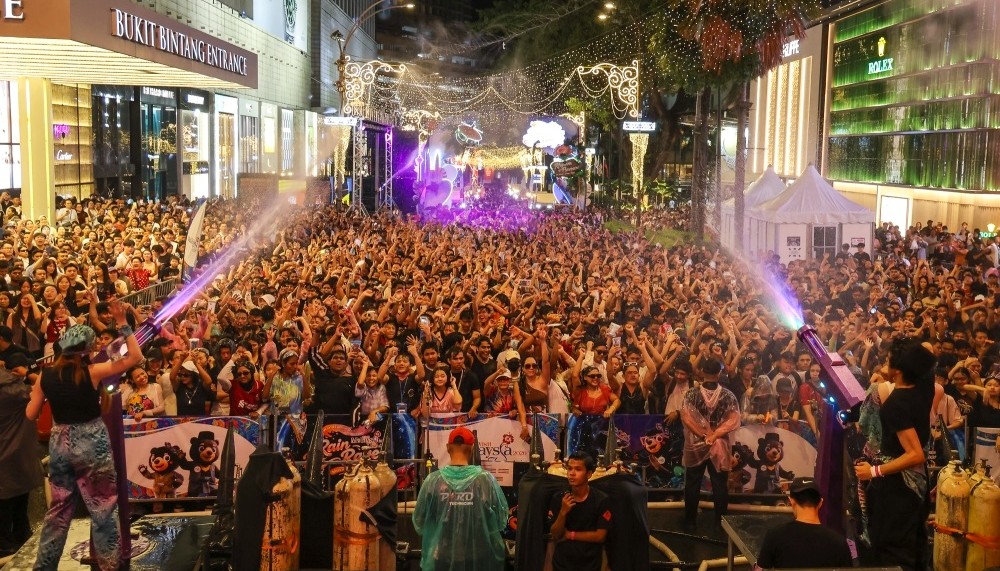
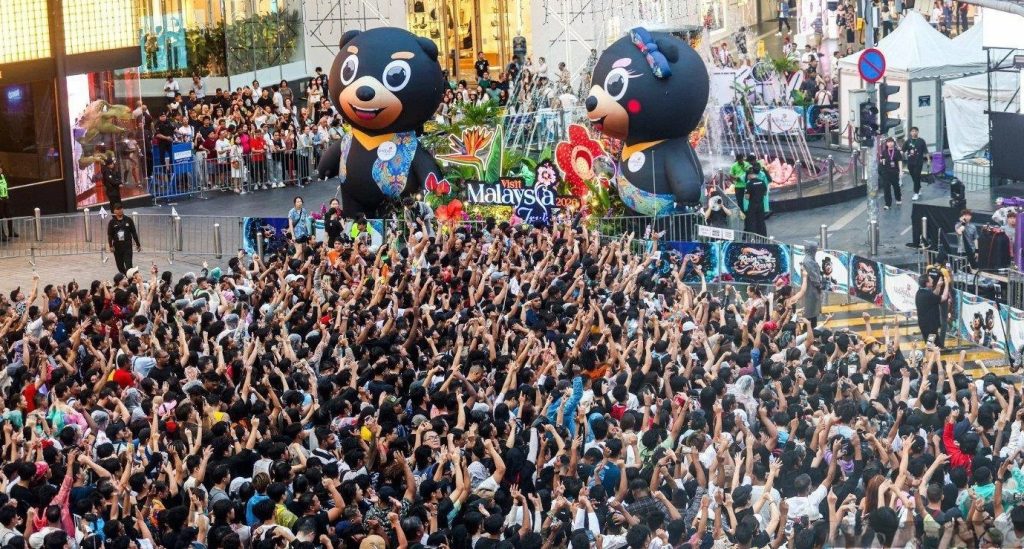
The Rain Rave event, held in Bukit Bintang over the recent Labour Day holiday weekend, blended electronic music, water-based elements, and festival culture in a format common across regional entertainment circuits. While it attracted strong interest from younger audiences, it also faced objections from certain political and religious groups, highlighting once again the ‘sensitivities’ that can arise around public events in parts of Peninsular Malaysia.
Wong expressed full support for Minister of Tourism, Arts and Culture Tiong King Sing, who had come under pressure over the event.
“He said if certain politicians there could not accommodate such a creative and multicultural event, Sibu would be ready to welcome it with open arms.”
The proposal goes beyond a one-off festival. Wong indicated he would formally engage with Tiong to explore making the event a recurring fixture, potentially under the banner of Parti Demokratik Progresif (PDP) and Gabungan Parti Sarawak (GPS), with the aim of positioning Sibu as a cultural and tourism hub in central Sarawak.
A DIFFERENT APPROACH TO CULTURE
At the heart of the proposal is a broader point about cultural attitudes across Malaysia. Wong drew a clear contrast between the responses seen in the Peninsula and the long-standing ethos in East Malaysia.
“In West Malaysia, some politicians are quick to label artistic events and exploit division for political gain. But in Sarawak, our mindset is entirely different.
“We take pride in the ‘Sarawak model’ – a culture built on mutual respect, understanding, and inclusivity,” he said.
That distinction, while diplomatically framed, reflects a familiar narrative. Peninsular Malaysia has, at times, found itself navigating contentious debates tied to religion, identity, and public expression. In contrast, states like Sarawak and Sabah have often been characterized by a more relaxed and accommodating social fabric, shaped by diverse ethnic communities coexisting with relatively little friction. Critics contend that while Peninsular Malaysia talks about “inclusivity and diversity” and holds up the “1Malaysia” motto, communities in East Malaysia are actually living it authentically.
Wong agreed, emphasizing that Sarawak’s multi-ethnic society has long operated without the need for restrictive approaches to cultural expression.
“This inclusivity is Sarawak’s most valuable asset and the ideal foundation for hosting international-scale events,” he said.
There is precedent for this. The Rainforest World Music Festival in Kuching has, for years, drawn international crowds and acclaim, blending traditional and contemporary sounds in a setting that reflects the state’s cultural diversity. Its success has helped place Sarawak firmly on the global cultural map, demonstrating the economic and reputational value of well-executed events. The state also hosts the acclaimed Borneo Jazz Festival, as well.
Sibu, Wong argues, has similar potential. With its position along the Rajang River and its rich cultural heritage, the town offers a compelling backdrop for a modern festival concept that could appeal to both domestic and international visitors.
“We should not always be spectators. It is time for Sibu to step forward. Through a water music festival, we can energize the local economy and unleash the creativity of our youth,” he said.

Beyond the cultural dimension, the economic case is clear. Large-scale events can generate meaningful spillover benefits across hospitality, food and beverage, transport, and retail sectors. Wong stressed that the proposal is not about political branding, but about creating tangible value for the local community.
He also pointed to the role such an event could play in shaping Sibu’s identity, giving it a distinctive position within Malaysia’s broader tourism landscape.
Wong reiterated his support for Tiong, praising his willingness to promote diverse tourism offerings despite the challenges.
“Sarawakians will not be bound by extreme thinking. Through music, water, and joy, we will show the world what true unity and openness look like.
“Sibu’s potential must not remain hidden – we will unlock it together and let its name resonate across the globe,” he said.
SOURCES: Borneo Post; The Star; Malay Mail; Free Malaysia Today