


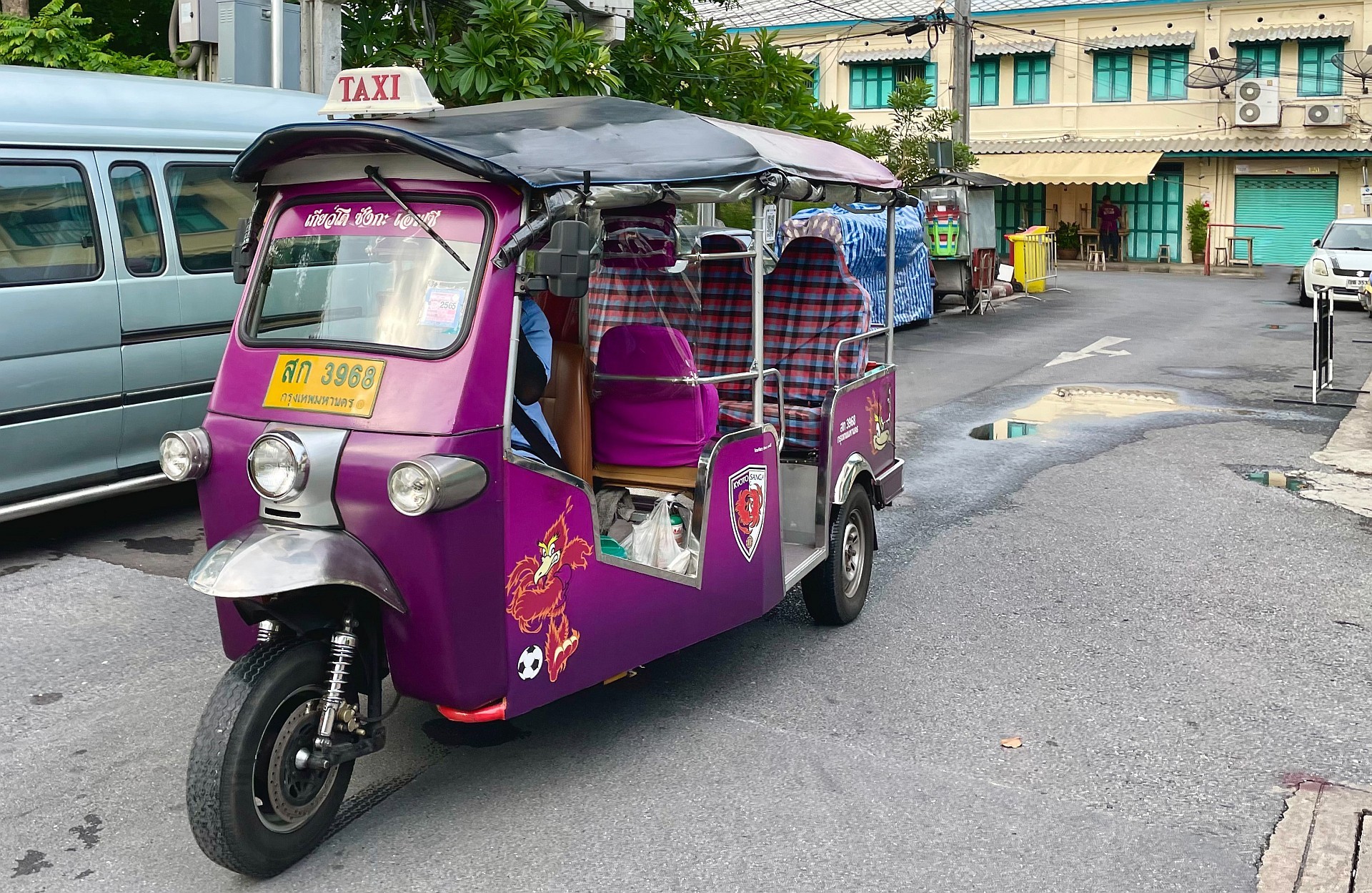
Bangkok’s growing fleet of app-based electric tuk-tuks is quietly reshaping how people move around the city. The question is whether a similar approach could help Malaysian commuters bridge one of public transport’s most persistent challenges: the last mile.
In Bangkok, progress rarely arrives quietly. Yet one of the Thai capital’s most interesting transport transformations is doing exactly that.
The electric tuk-tuk – once viewed largely as a tourist novelty – is increasingly becoming a practical and perhaps even crucial part of the city’s urban mobility network. Through app-based services such as MuvMi, the iconic three-wheeler has evolved into a shared, electrified transport solution designed to connect commuters from major transit hubs to the narrow sois and residential neighbourhoods that larger vehicles often struggle to reach.
Instead of flagging down a tuk-tuk on the street, passengers book rides through a mobile app. Routes are optimized in real time, fleets operate within defined service zones, and the vehicles integrate with BTS Skytrain, MRT, and canal boat networks. The result is a quieter, cleaner, and more predictable form of transport that addresses a problem familiar to many Southeast Asian cities: getting people from the station to their final destination.
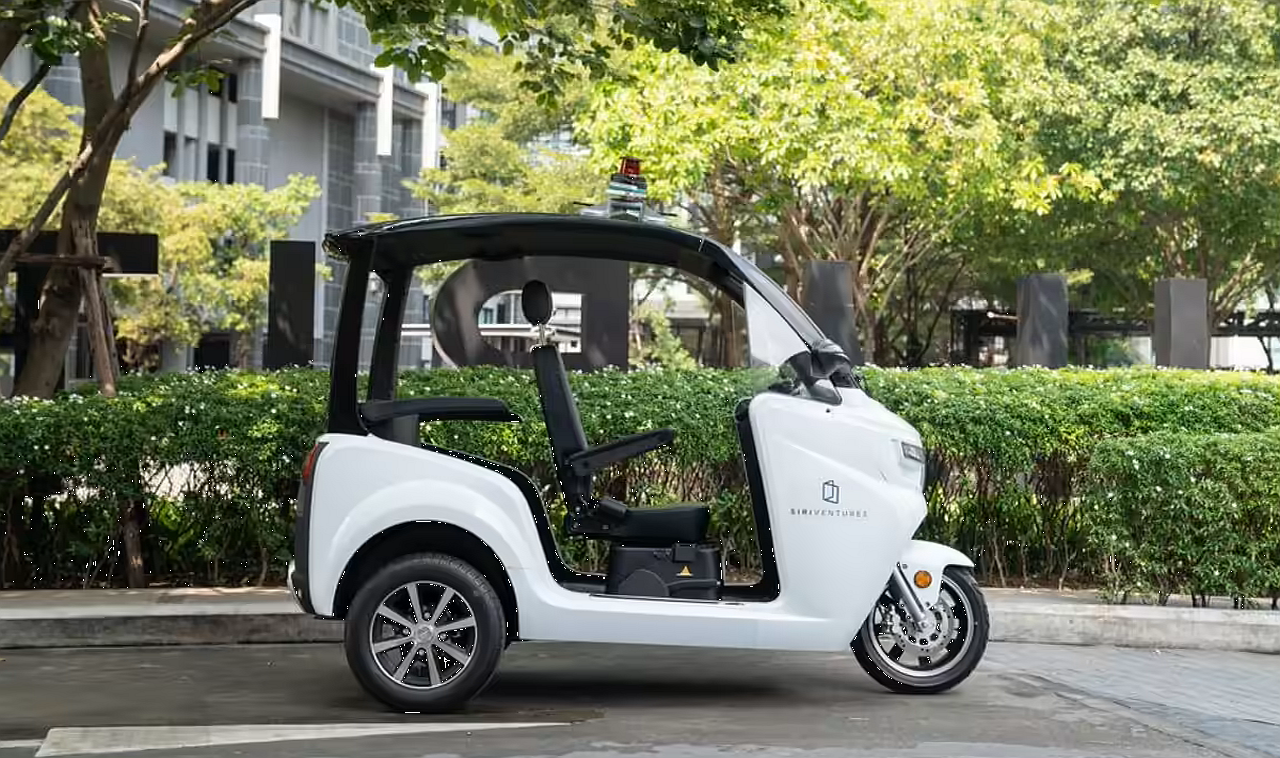
A THAI SOLUTION WITH REGIONAL LESSONS
Bangkok’s electric tuk-tuk ecosystem has developed alongside Thailand’s broader “30@30” policy, which aims for 30% of the country’s vehicle production to be zero-emission by 2030. The Electric Vehicle Association of Thailand has described the transition as a structural shift in mobility, positioning Thailand as a regional EV hub.
What makes the model particularly interesting is that it builds on something people already know and use. Rather than replacing the traditional tuk-tuk, the system modernizes it with electric drivetrains, digital booking, and fleet management technology.
The concept has attracted attention from sustainability-focused investors and development institutions, including the Asian Development Bank, which has supported various electric mobility initiatives in Thailand as part of broader transport decarbonization efforts.
For Malaysia, the more intriguing question may be whether the underlying idea – not necessarily the tuk-tuk itself – could help tackle a very familiar problem.
Anyone who has relied on the MRT, LRT, or KTM systems in Greater KL knows that public transport coverage has, overall, improved dramatically over the years. Yet many stations still leave commuters facing an awkward final leg of the journey. A workplace may be two kilometres away. A residential area may sit beyond comfortable walking distance. Bus frequencies may be limited, particularly outside peak hours. Hot weather, impromptu downpours, and poor – or non-existent – walking paths frequently complicate the final bit of the journey.
Indeed, this “last-mile” gap remains one of the biggest obstacles to wider public transport adoption.
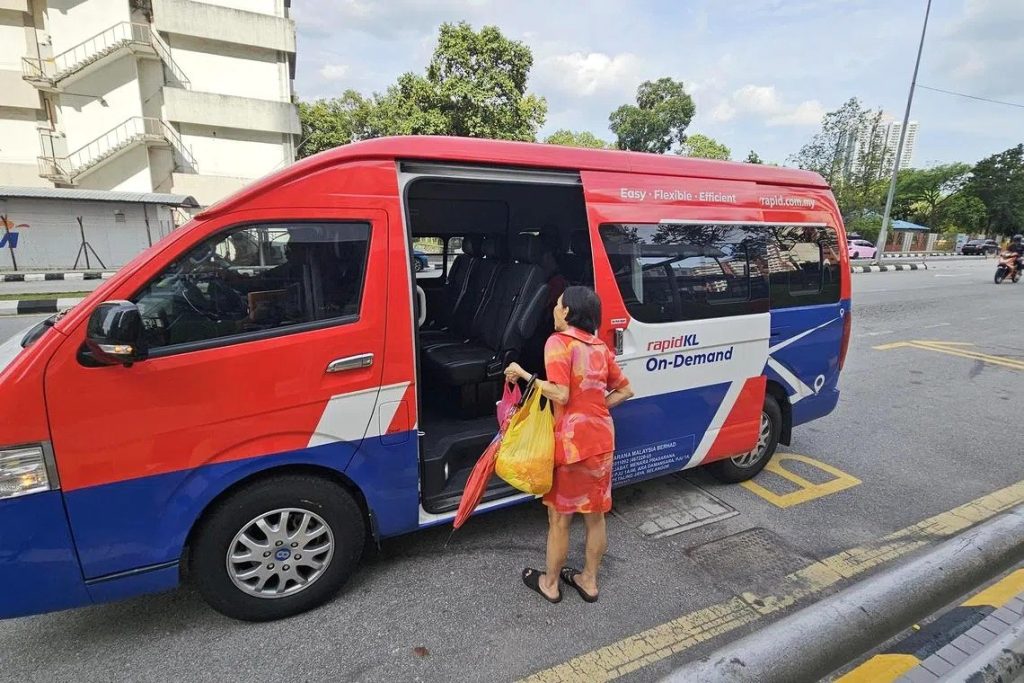
Malaysia has already begun experimenting with several solutions. Demand-responsive transit services, electric feeder buses, and e-hailing integrations have been introduced in selected areas. Prasarana has expanded feeder bus networks around MRT and LRT stations, while local authorities in some cities have explored micro-mobility options such as shared bicycles and e-scooters.
But could a more flexible, zone-based electric shuttle system offer another option?
Imagine small electric vehicles – whether tuk-tuk-style, compact vans, or purpose-built urban shuttles – operating within a defined radius around major stations. Riders could book through an app, share trips with others heading in the same direction, and connect seamlessly with rail services. Such a system could potentially reduce reliance on private cars for short journeys while improving access to public transport.
Of course, Malaysia’s urban environment differs from Bangkok’s. Regulations, road layouts, safety standards, and weather conditions would all need careful consideration. The vehicle itself might not be a traditional tuk-tuk at all. Yet the broader principle remains compelling: rather than reshaping cities to fit transport, create transport that fits the existing city.
Bangkok’s experience suggests that successful urban mobility solutions do not always require massive new infrastructure projects. Sometimes they involve upgrading familiar forms of transport with cleaner technology, better data, and smarter integration.
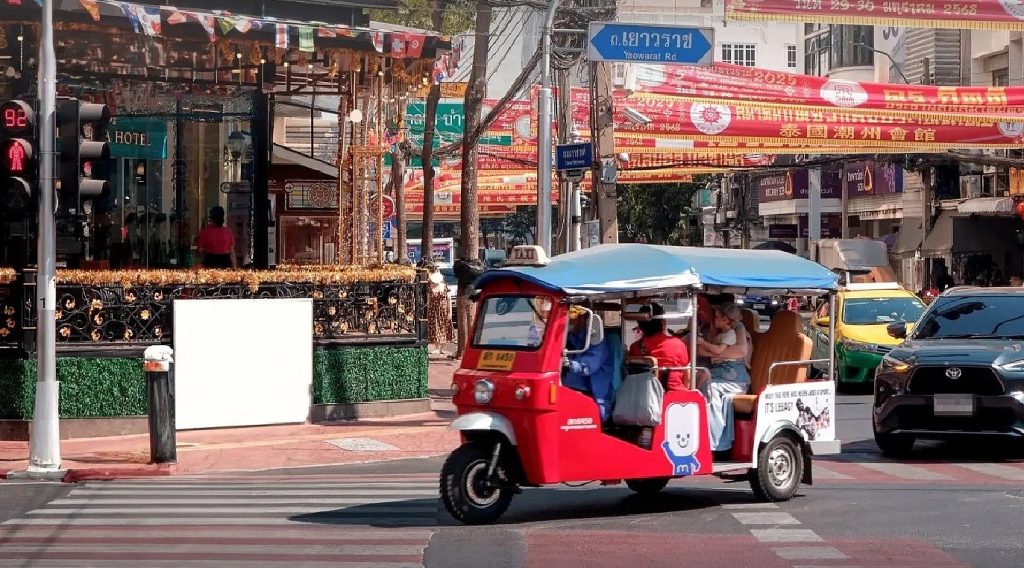
As Malaysia continues investing heavily in rail networks and public transport expansion, it may be worth asking whether the next breakthrough lies not only in moving people across the city, but in solving the final few kilometres that determine whether they choose public transport in the first place.
Could an electric, app-based micro-transit network – adapted for the unique realities of Malaysian needs – become part of that answer? Bangkok’s quietly humming tuk-tuks suggest the idea may deserve a closer look.
Sources: The Nation (Thailand); Electric Vehicle Association of Thailand (EVAT); Asian Development Bank; public information on Malaysia’s feeder bus and demand-responsive transit initiatives.