




Japan has announced its first visa fee increase in nearly half a century, with some travellers facing charges five times higher than before. The good news for Malaysians? Most holidaymakers will remain completely unaffected.
Japan has never been more popular with Malaysian travellers. Between the favourable exchange rate, exceptional food, efficient public transport, and everything from neon-drenched Tokyo to the tranquil countryside of Hokkaido, the Land of the Rising Sun continues to top many travel wish lists.
So news that Japan is raising its visa fees by as much as 400% understandably caused a bit of alarm.
Fortunately, for most Malaysians, there is very little reason to panic.
The Japanese government recently announced its first visa fee revision in 48 years, with the new fees taking effect on July 1. Under the revised structure, a standard single-entry visa has risen from JPY3,000 to JPY15,000, while multiple-entry visas have increased from JPY6,000 to JPY30,000. In both cases, the new fees are five times higher than before – representing a 400% increase. Based on current exchange rates, that equates to approximately RM77 rising to RM384 for a single-entry visa, and RM154 increasing to about RM769 for a multiple-entry visa.
It is certainly a substantial increase.
Japanese Foreign Minister Toshimitsu Motegi said the fee revision reflects inflation and current exchange rates, and added that the government does not expect the changes to have an immediate impact on inbound tourism.
However, there is an important caveat that many headlines have overlooked: Malaysian nationals generally do not pay visa fees to visit Japan in the first place. Indeed, for tourism and short-term leisure visits, nationals of countries that enjoy visa-free entry to Japan are generally unaffected by these new visa fees because they do not need to obtain an entry visa in the first place.
Malaysia has enjoyed a visa exemption arrangement with Japan since 2013. Malaysian citizens holding ordinary biometric passports can enter Japan visa-free for short-term visits of up to 90 days. In practical terms, this means the overwhelming majority of Malaysians travelling to Japan for holidays, family visits, shopping trips, or general tourism will not pay any visa fee whatsoever.
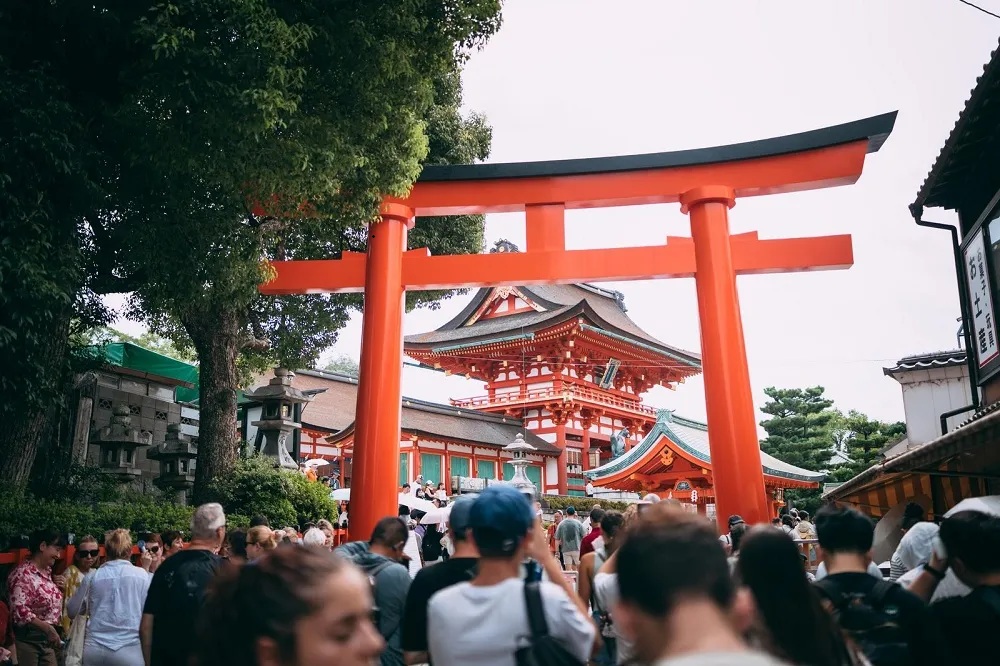
Even if you’re planning an extended cherry blossom getaway, a skiing trip to Niseko, or a foodie adventure through Osaka and Fukuoka, you remain covered under the existing visa waiver, provided your stay does not exceed 90 days and your visit falls within the permitted short-term categories.
Where Malaysians could potentially be affected is when travelling for purposes outside the visa exemption framework.
Those intending to study in Japan, undertake long-term employment, participate in certain training programmes, or remain in the country beyond the permitted short-term period will still need to apply for the appropriate visa categories. In such cases, the new fees could become relevant, although Japan’s embassy notes that Malaysian nationals continue to enjoy exemptions from visa fees for many application categories.
The larger impact of the new pricing structure is likely to be felt by nationals of countries that require visas for even short-term tourist visits.
Japan remains one of the world’s most sought-after travel destinations, welcoming tens of millions of visitors annually. Citizens from several countries across Asia, Africa, and the Middle East still require visas to enter Japan as tourists, and these travellers will face considerably higher costs from July onward.
Even so, Japan appears unconcerned about any immediate fallout.
The government expects additional revenue from the revised fees and says the increase brings its visa charges more in line with those of other developed countries. In reality, even the new rates are not especially extraordinary by international standards. Many countries impose visa charges that are considerably higher once processing fees, service charges, and third-party application costs are factored in.
For Malaysians, however, the bigger story is arguably how little has changed.
Japan remains one of the few premium travel destinations that can still be visited relatively easily from Malaysia. Direct flights are plentiful, the weakened yen continues to offer excellent value on the ground, and most Malaysian visitors can continue to arrive without paying any visa fee at all.
So while the headlines may suggest that Japan has suddenly become much more expensive to visit, Malaysian holidaymakers can largely carry on with their travel plans exactly as before.
In fact, for most of us, the biggest expense in Japan is still more likely to be resisting the temptation to bring home an extra suitcase full of snacks, cosmetics, stationery, and perhaps a bottle or two of Japanese whisky!
Sources: Embassy of Japan in Malaysia, Consulate-General of Japan in Penang, Kyodo News, Nippon.com, Malay Mail, The Economic Times.