


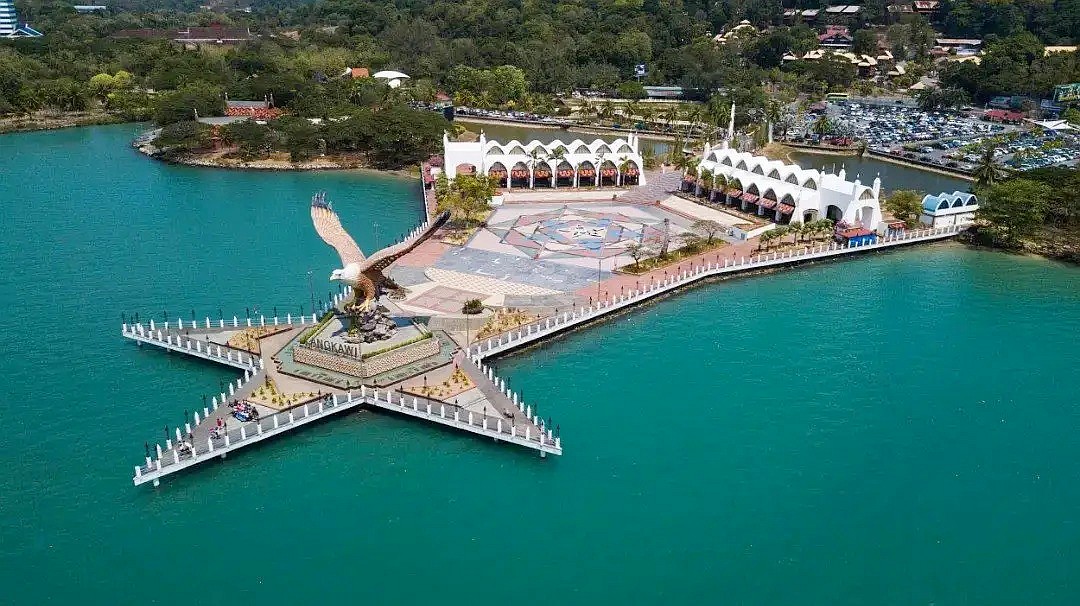
Industry players back the Kedah Sultan’s call to reinstate Langkawi’s full duty-free status, warning that recent policy changes could impact the island’s competitiveness.
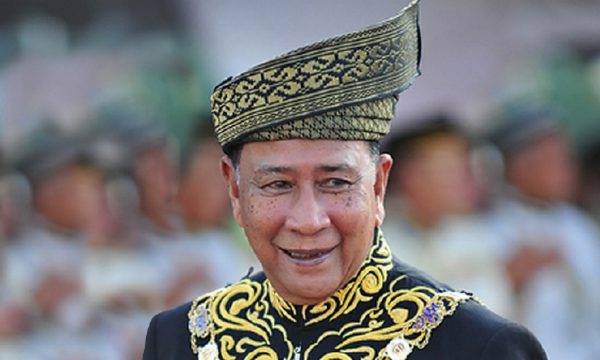
Langkawi’s long-standing status as Malaysia’s premier duty-free island has come under renewed scrutiny, with industry stakeholders rallying behind a call by the Sultan Sallehuddin Sultan Badlishah to fully restore the island’s duty-free privileges.
The issue has gained traction in recent months following a series of policy adjustments that, while aimed at curbing abuse, have raised concerns among tourism operators about unintended consequences for the island’s economy.
At the centre of the discussion is Langkawi’s unique positioning within Malaysia’s tourism landscape. For decades, its duty-free status has been a major draw, particularly for domestic travellers and regional visitors seeking better value on goods such as alcohol, chocolates, perfumes, and certain luxury items. That advantage has helped underpin Langkawi’s appeal alongside its natural assets – beaches, geoparks, and resort offerings.
However, recent changes introduced by the federal government have begun to narrow some of those benefits. Most notably, a cap has been placed on duty-free vehicle purchases, limiting exemptions to vehicles valued at RM300,000 and below. The move is intended to address misuse of the system, particularly involving high-end luxury vehicles being purchased under duty-free provisions.
While the policy may be justified from a regulatory standpoint, tourism stakeholders argue that such measures risk diluting the broader perception of Langkawi as a truly duty-free destination.
The Langkawi Tourism Industry Players Association has been among the most vocal in supporting the Sultan’s position. Its chairman, Raseli Yahya, emphasized that duty-free incentives have historically played a central role in driving visitor numbers and sustaining business activity on the island.
“The Langkawi Tourism Industry Players Association expresses our utmost appreciation and support for Sultan Sallehuddin’s decree to the federal government to fully restore Langkawi’s duty-free privileges.
“Duty-free privileges have been a key catalyst of the island’s economic growth.”
Raseli noted that any erosion of these privileges could affect Langkawi’s competitiveness, particularly as regional destinations continue to sharpen their own tourism offerings.
“We believe that a balanced and forward-looking approach, including strengthening infrastructure and improving existing policies, will reinforce Langkawi’s position as the country’s premier tourism destination.”
His comments reflect a broader sentiment among local operators, many of whom see the duty-free framework not simply as a retail perk, but as a foundational component of the island’s economic model.
The Sultan’s earlier call for a full reinstatement of duty-free status underscores the importance of this issue at the highest levels. In his address, the ruler highlighted the need to safeguard Langkawi’s economic vitality, particularly as the island continues to recover from the downturn experienced during the pandemic years.
Beyond vehicle-related changes, there have also been increased enforcement measures and tighter controls around duty-free allowances, part of a wider effort to ensure compliance and prevent leakage of goods into the mainland market. While these steps are understandable from a governance perspective, they have contributed to a perception – fairly or otherwise – that Langkawi’s duty-free edge is being gradually reduced.
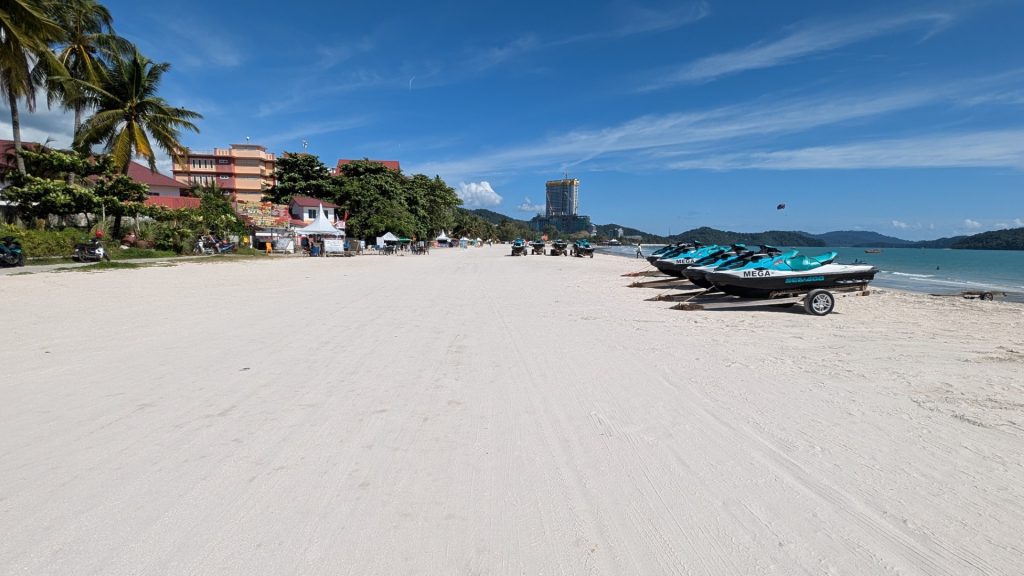
For Malaysia, the stakes are not insignificant. Langkawi remains one of the country’s most recognizable tourism brands, and its success has long been tied to a combination of accessibility, natural beauty, and value proposition. Any shift in that balance has the potential to influence visitor behaviour, particularly among price-sensitive travellers. Langkawi has already come under fire from local travellers for “high prices” with regards to food and accommodation. Eroding the island’s duty-free status in any way would only serve to sharpen that criticism.
At the same time, the current situation highlights the challenge of balancing regulatory oversight with economic incentives. Efforts to curb systemic abuse are understandable and necessary, but industry players are calling for a calibrated approach that preserves the island’s core appeal.
Raseli reiterated the association’s willingness to work collaboratively with policymakers to achieve that balance.
“We believe that a balanced and forward-looking approach, including strengthening infrastructure and improving existing policies, will reinforce Langkawi’s position as the country’s premier tourism destination.”
As discussions continue, the outcome will likely shape the next phase of Langkawi’s development. A reaffirmation of its duty-free status, in both policy and perception, could help sustain its position as a leading regional destination. Conversely, incremental changes that dilute this identity may require the island to compete more directly on other fronts.
Sources: New Straits Times; public statements by Kedah Sultan; tourism industry commentary