

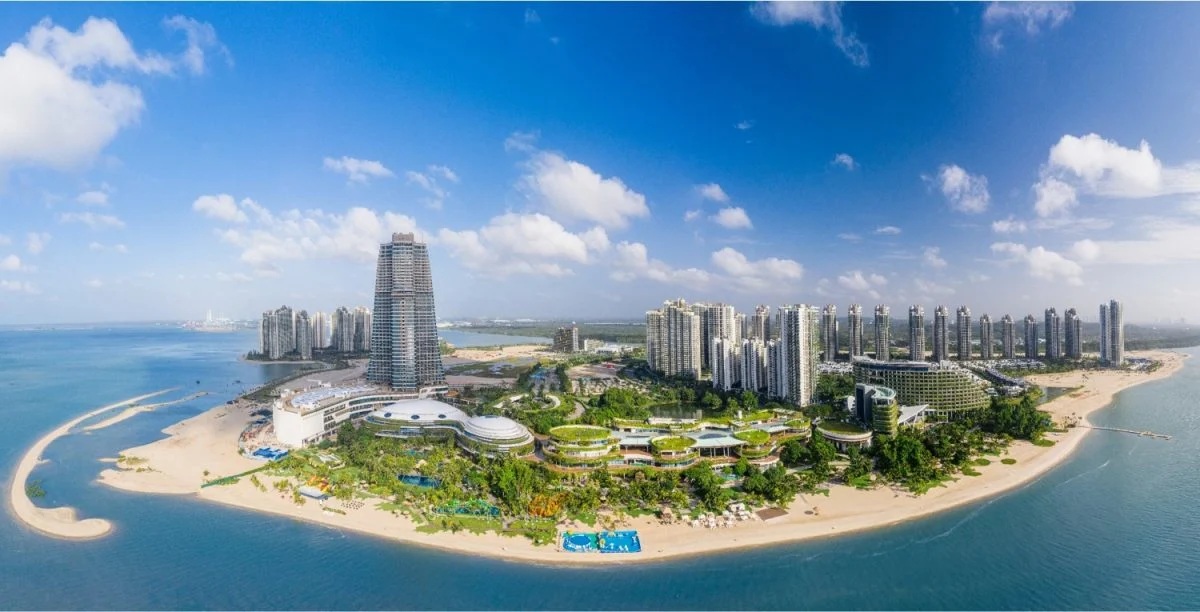
Once dismissed as a failed megaproject, Johor’s Forest City is quietly reinventing itself. While wealth management and family offices are drawing headlines, a more relatable story is emerging: increasing numbers of Singaporeans are taking a fresh look at Forest City and southern Johor as housing costs at home continue to climb.
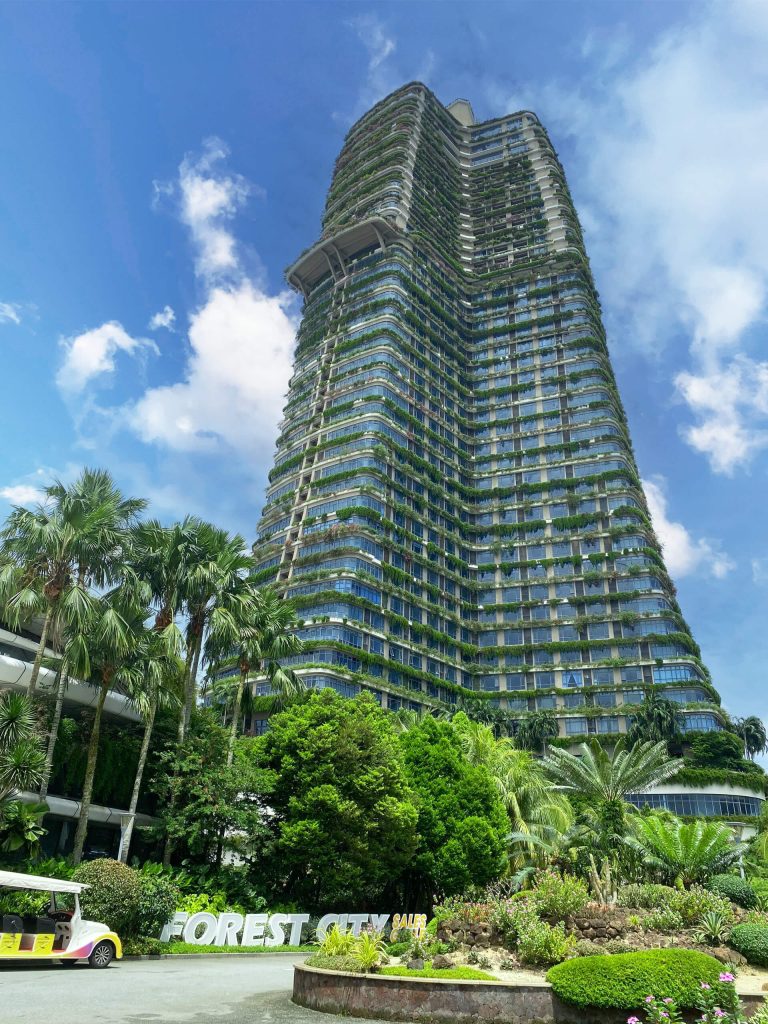
For years, Forest City became shorthand for one of Southeast Asia’s most ambitious property developments that never really fulfilled its early promise. Vast residential towers stood largely unoccupied, earning the project the unfortunate label of a “ghost city” in international media.
Today, however, it appears that the conversation is beginning to change.
While recent attention has focused on Forest City’s emergence as part of Malaysia’s growing financial ambitions under the Johor-Singapore Special Economic Zone (JS-SEZ), another trend is unfolding alongside it. More Singaporeans are once again looking across the Causeway – not simply to invest, but to live, retire, work remotely, or establish a second home in Malaysia.
With housing prices in Singapore continuing to test affordability, Forest City is increasingly being viewed through a different lens.
A DIFFERENT VALUE PROPOSITION
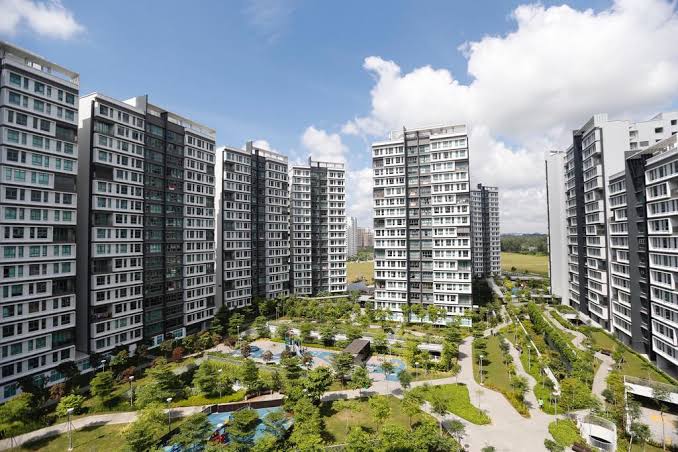
For many Singaporeans, home ownership has become one of life’s biggest financial hurdles. Although the city-state maintains one of the world’s most successful public housing systems through the Housing & Development Board (HDB), resale prices for larger flats have climbed sharply in recent years. Private condominiums, meanwhile, have become well beyond the reach of many middle-income households, with prices routinely exceeding S$2 million in desirable districts. Rents, of course, have risen in tandem.
Against that backdrop, southern Johor offers something increasingly difficult to find just 20 km away: space and affordability.
Large condominiums overlooking the Straits of Johor, landed homes in gated communities, and resort-style developments often cost a fraction of comparable properties in Singapore. While not everyone is prepared to relocate permanently, many are considering hybrid lifestyles that split time between the two countries.
Forest City sits squarely within that conversation and is increasingly embracing that possibility.
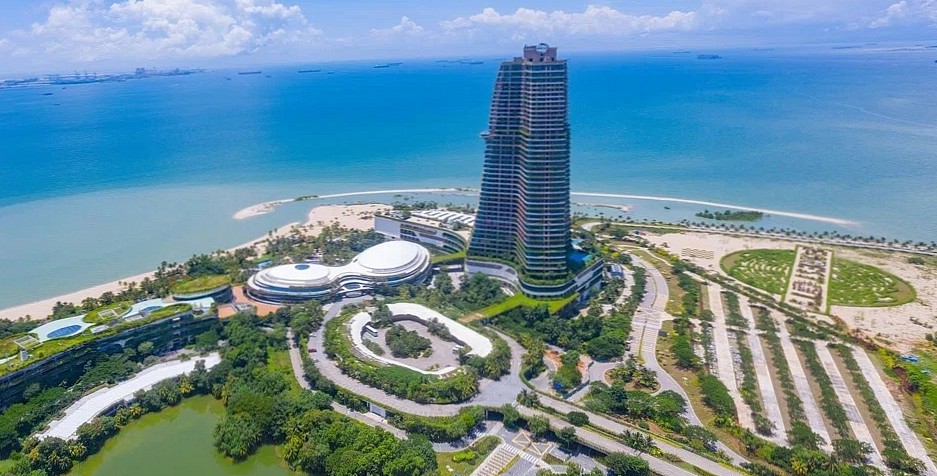
Located on reclaimed islands near the Second Link, the development was originally envisioned as a self-contained smart city complete with residential towers, commercial districts, schools, healthcare facilities, marinas, golf courses, and extensive green spaces. Although development slowed considerably after changing market conditions, tighter property regulations, and the pandemic, much of the supporting infrastructure remained in place.
Now, renewed government attention is giving the project fresh momentum.
Malaysia’s designation of Forest City as a Special Financial Zone forms part of the wider JS-SEZ initiative, a bilateral effort aimed at strengthening economic integration between Johor and Singapore. The zone offers incentives designed to attract businesses, investment, and high-net-worth individuals, but many observers believe its biggest long-term impact may simply be making Forest City a more vibrant place to live.
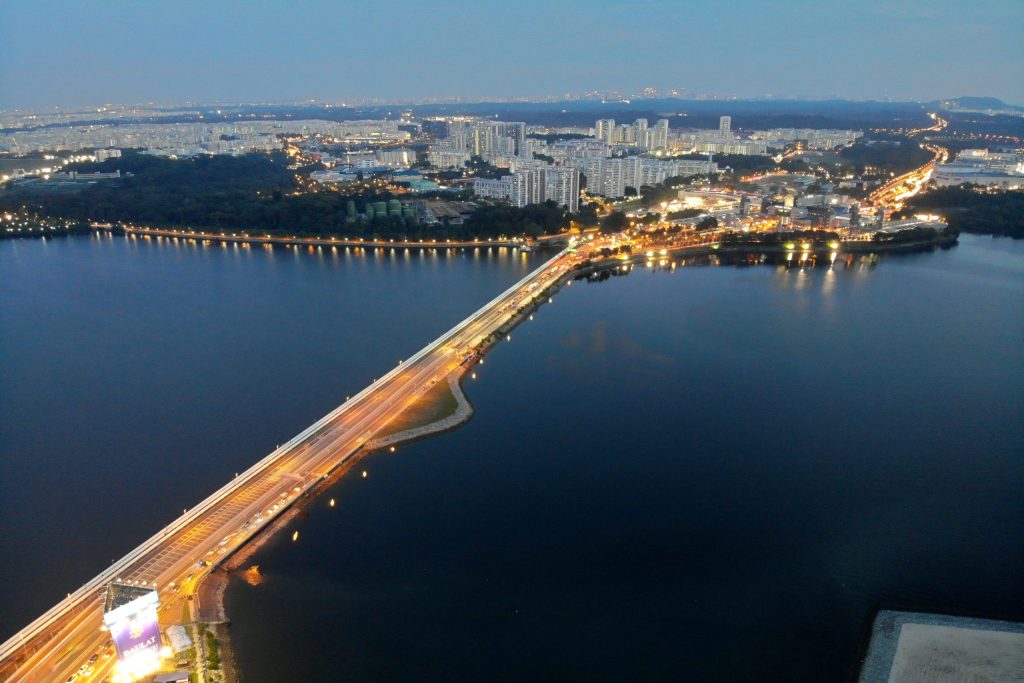
Improved transport links, including the upcoming Johor Bahru-Singapore Rapid Transit System (RTS) Link due to open in 2027, are also expected to reshape commuting patterns between the two countries.
For Singaporeans who already cross the border regularly for dining, shopping, healthcare, or leisure, living in Johor may no longer seem like such a dramatic leap.
MORE THAN JUST FAMILY OFFICES
Business headlines have recently centred on Forest City’s push to become a regional hub for family offices – private entities established to manage the wealth of affluent families.
According to reporting by Singapore’s The Business Times, Maybank has already assisted in establishing nine single family offices under the Forest City Special Financial Zone framework. Those early participants collectively manage more than RM700 million in assets, although the ecosystem remains in its early stages.
Industry observers caution that building a mature financial centre will take time.
David Chong, founder of regional trust and corporate services firm Portcullis Group, told The Business Times that Singapore spent two decades developing its internationally recognised family office ecosystem, suggesting Forest City may require at least another decade before reaching comparable maturity.
Rather than replacing Singapore, most participants see Forest City’s role as complementary. The concept being promoted is a “dual headquarters” model, allowing businesses and wealthy families to retain client-facing operations in Singapore while moving certain administrative functions, asset holding, or operational activities into Johor, where costs are considerably lower.
That same logic applies well beyond multinational businesses. Professionals who can work remotely, entrepreneurs with regional operations, retirees seeking a higher quality of life, and even younger families looking for larger homes are beginning to evaluate whether living in Johor while maintaining professional links to Singapore makes practical sense.
Lower living costs naturally form part of the attraction. Dining, domestic help, vehicle ownership, healthcare, childcare, and everyday household expenses remain significantly lower in Malaysia than in Singapore. For retirees or semi-retired professionals living on fixed incomes, that purchasing power can translate into a markedly different lifestyle.
Malaysia’s revised Malaysia My Second Home (MM2H) programme, alongside Johor-specific residency initiatives, also continues to attract foreign residents looking for longer-term accommodation options.
A LONG ROAD STILL AHEAD
Forest City’s revival is far from guaranteed.
Despite improving sentiment, occupancy remains well below what was originally envisioned, and many commercial areas continue to await greater population density before they can fully flourish.
Of course, developing a genuine community requires much more than apartment towers. Residents need schools, supermarkets, cafés, medical facilities, cultural activities, public transport, and, perhaps most importantly, neighbours. While many of these elements now exist in varying degrees, attracting sufficient permanent residents remains one of the project’s biggest challenges.
Professional services supporting its financial ambitions also continue to evolve. Maybank has noted that expanding legal, accounting, trust, and advisory services, alongside maintaining policy clarity and investor confidence, will be critical if Forest City is to establish itself as a credible financial centre.
Geopolitical uncertainty, currency fluctuations, and slower global investment flows may also temper the pace of development over the coming years.
Nevertheless, momentum appears to be shifting. The JS-SEZ has already attracted billions of ringgit in announced investments across southern Johor, with sectors including advanced manufacturing, logistics, healthcare, hospitality, technology, and financial services all expected to benefit.
For Singaporeans, however, the appeal may ultimately prove much simpler than tax incentives or wealth management structures.
It really comes down to lifestyle.
Instead of squeezing into increasingly expensive housing in one of the world’s costliest cities, some are discovering they can enjoy larger homes, more greenery, resort-style surroundings, and a slower pace of life just across the Causeway – while remaining within easy reach of Singapore.
Whether Forest City eventually becomes a major financial hub may take years to determine. Its success as a residential destination, however, could arrive much sooner.
If that happens, Forest City may finally shed the “ghost town” narrative that has followed it for much of the past decade, replacing it with something far more compelling: a practical alternative for Singaporeans seeking more space, better value, and a different way of living without venturing very far from home.
Sources: The Business Times (Singapore); Bank Negara Malaysia; Maybank; Securities Commission Malaysia; Johor-Singapore Special Economic Zone announcements; Malaysia My Second Home (MM2H) programme information.
If you’d like to learn more about the MM2H programme, visit this site’s sister company (also under TEG Media) at mm2h.com.