



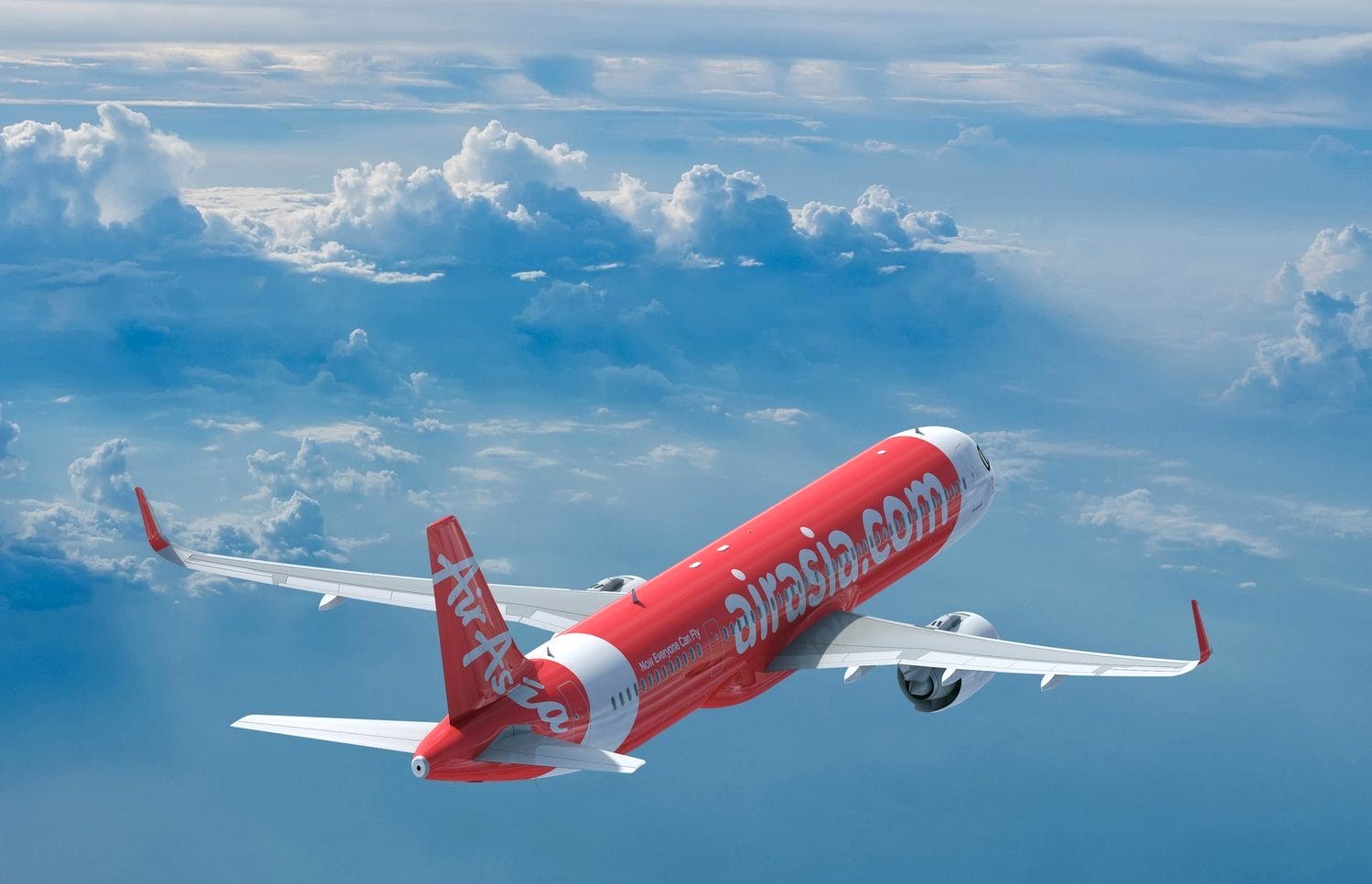
AirAsia has made one of the most significant strategic decisions in its history, formally abandoning plans for additional Airbus A330neo aircraft in favour of a new generation of long-range narrowbody jets. The move reflects more than a fleet renewal – it signals a fundamental shift in how low-cost airlines are expected to connect Asia with the rest of the world over the coming decade.
For much of the past two decades, AirAsia and AirAsia X helped redefine low-cost air travel. Those of us living in Malaysia (and other ASEAN countries who later launched AirAsia operations, as well) have benefitted greatly from the democratization of air travel that the group brought to the region. The airline group proved that budget carriers could successfully operate not only across Southeast Asia, but also on medium- and long-haul routes stretching into Australia, North Asia, the Middle East, and even Europe.
Now, however, the group is writing a very different chapter.
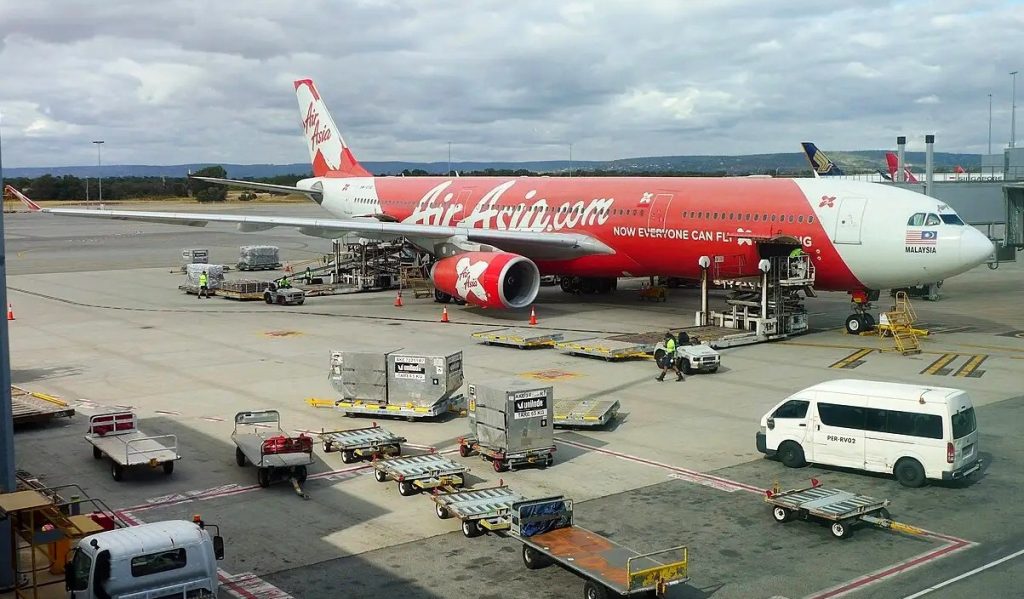
In July, AirAsia X and Airbus mutually agreed to remove the airline’s remaining order for 15 Airbus A330-900neo aircraft from the manufacturer’s backlog. Although the move attracted headlines, it is better viewed not as a retreat, but as the culmination of several years of strategic realignment that has seen the airline rethink the economics of long-haul, low-cost flying.
Rather than expanding around large twin-aisle aircraft, AirAsia is placing its future firmly behind Airbus’ latest generation of long-range single-aisle jets, led by an order for 50 Airbus A321XLRs, together with purchase rights for another 20 aircraft. At list prices, the deal is valued at approximately US$12.25 billion, though airlines typically negotiate substantial discounts.
A DIFFERENT ECONOMIC EQUATION
The decision reflects how dramatically the airline industry has changed since AirAsia X pioneered long-haul budget travel, with the most impactful changes coming during the pandemic and in the years since.
However, not only have the circumstantial dynamics shifted, technology has evolved as well, leading to aircraft that can fly further and more efficiently than ever before. That improvement has benefitted both full-service legacy carriers and budget carriers alike.
Widebody aircraft such as the Airbus A330 remain highly capable and efficient, particularly for airlines operating dense international routes with strong premium demand. However, they also represent significant financial commitments. A high-capacity aircraft must consistently depart with very strong passenger loads to achieve the economics that make the model work.
For full-service airlines, premium cabins help cushion fluctuations in demand. Business class, premium economy, cargo revenue, and loyalty programmes all contribute additional income streams.
Low-cost airlines operate under a different formula.
Their success depends on keeping aircraft flying, maintaining low operating costs, and filling as many seats as possible at competitive fares. When demand weakens or fuel prices rise sharply, the financial exposure of operating large aircraft increases considerably.
AirAsia has experienced these realities firsthand over recent years, navigating the pandemic, volatile fuel prices, currency fluctuations, supply chain disruptions, and aircraft availability issues affecting airlines worldwide.
Instead of relying on sheer aircraft size, the group’s strategy is now centred on matching capacity more precisely to actual market demand.
“We are focused on building a more scalable and resilient operating model,” AirAsia Aviation Group CEO Bo Lingam said recently, adding that the airline expects to restore its network to full operating capacity by August while continuing to expand into new markets.
THE RISE OF THE LONG-RANGE NARROWBODY
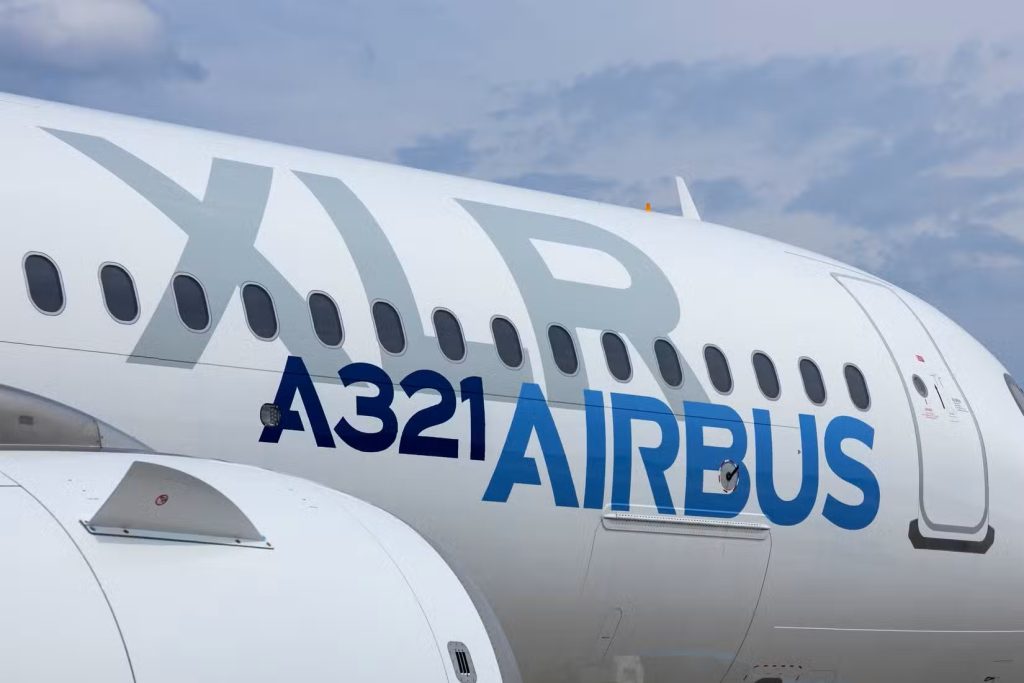
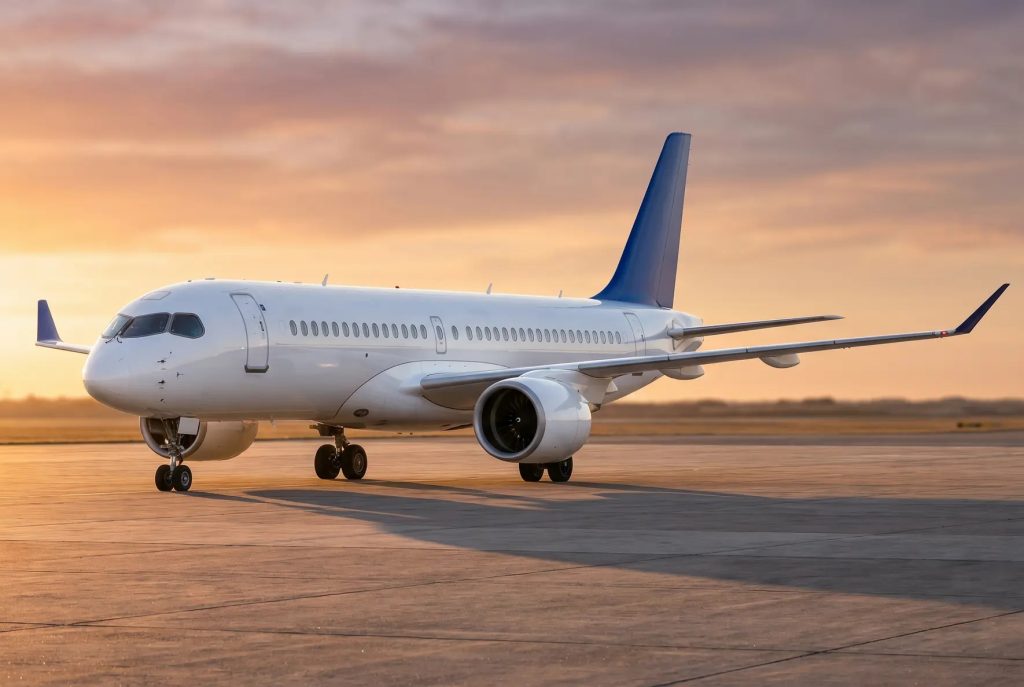
Central to this strategy is Airbus’ A321LR and, eventually, the even longer-range A321XLR. AirAsia received its first A321LR in May 2026, marking an important milestone in its fleet evolution. Compared with older-generation aircraft, the LR offers substantially better fuel efficiency while carrying fewer passengers than a traditional widebody.
The forthcoming A321XLR extends that capability even further with a range that was unheard of for a smaller, single-aisle plane just a generation ago.
Airbus quotes a maximum range of approximately 4,700 nautical miles (8,700 km), though airlines generally plan routes more conservatively, allowing for weather, headwinds, alternate airports, air traffic control restrictions, and fuel reserves. Even with an operational planning range closer to 4,000 nautical miles (7,400 km), the aircraft dramatically expands the number of city pairs that become commercially viable.
For AirAsia, that creates opportunities to launch direct services between Kuala Lumpur and secondary destinations across Asia, Central Asia, northern Australia, parts of the Middle East, and potentially selected European gateways via intermediate stops.
Frequency often matters more to travellers than aircraft size, particularly for business passengers and short-break leisure travellers. With that in mind, use of smaller aircraft (especially those with efficient engines and long range) allows the airline to maintain higher frequencies on routes that would struggle to support a 300-seat or 350-seat widebody.
The strategy also aligns neatly with AirAsia’s long-standing point-to-point philosophy (as opposed to the hub-and-spoke model), avoiding unnecessary connections through congested hub airports whenever practical.
BUILDING A MORE FLEXIBLE NETWORK
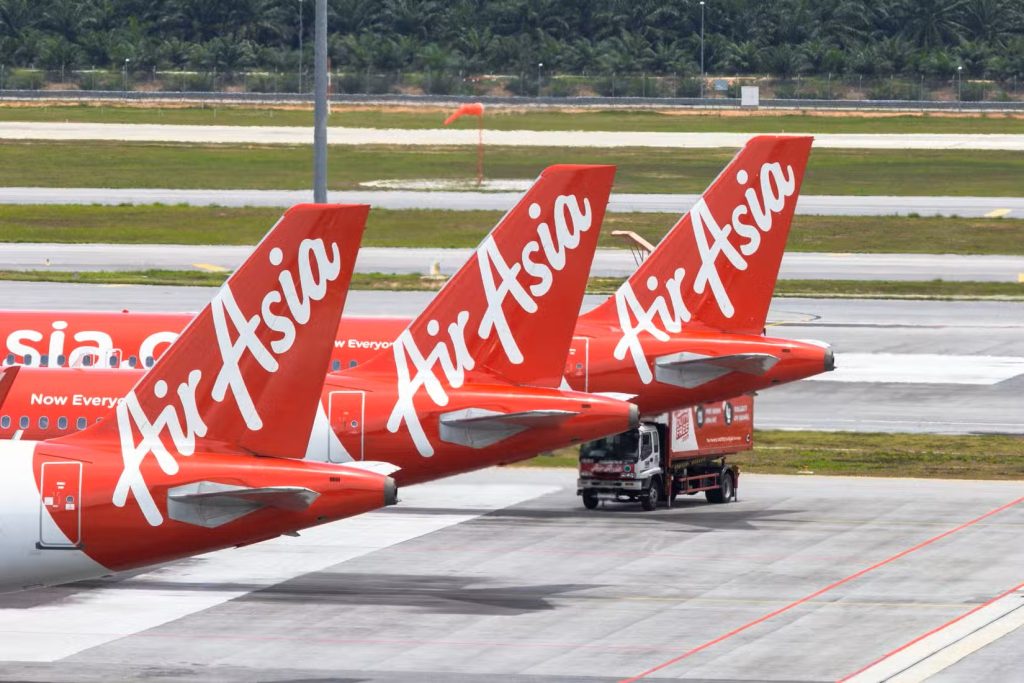
Fleet simplification is another major benefit. Alongside introducing the new A321LR family, AirAsia has begun retiring between 12 and 14 of its oldest Airbus A320ceo aircraft, many of which are now approaching two decades of service.
Replacing multiple ageing aircraft types with a newer, more standardized fleet reduces maintenance complexity, improves fuel efficiency, and increases operational reliability.
The airline is simultaneously restoring aircraft grounded during the post-pandemic recovery while steadily increasing utilisation across its network.
Recent route announcements reflect that renewed confidence. AirAsia has unveiled new services to destinations including Busan, Bahrain, Batam, and London, while also strengthening domestic connectivity. The airline says average on-time performance across its seven operating airlines has exceeded 85% since April, covering a network of more than 150 destinations.
The group has also indicated that future fleet planning will include the Airbus A220, which would complement its existing narrowbody operations on thinner regional routes.
Meanwhile, AirAsia says easing fuel prices are allowing it to gradually reduce fares, reinforcing its long-standing commitment to affordable travel while maintaining disciplined expansion.
A MODEL FOR THE NEXT DECADE?
AirAsia is certainly not alone in embracing long-range narrowbody aircraft. Around the world, airlines are increasingly using aircraft such as the Airbus A321LR and A321XLR to open routes that would previously have required much larger aircraft. The combination of lower trip costs, improved fuel efficiency, and greater scheduling flexibility has fundamentally altered network planning.
This does not signal the end of widebody operations. Airlines operating major international hubs will continue relying on aircraft such as the Airbus A350, Boeing 787 Dreamliner, and Airbus A330neo for high-demand long-haul services. Even the Airbus A380 superjumbo has seen a life-extending resurgence after being largely written off. So widebodies are not going extinct.
Instead, this new direction seems to reflect the emergence of a more balanced approach, with airlines selecting aircraft that better match individual routes rather than attempting to apply one solution across an entire network.
For AirAsia, the strategy appears entirely consistent with its entrepreneurial DNA. As air passengers in Malaysia have seen first-hand, the airline built its reputation by challenging conventional wisdom, first by democratizing affordable regional flying and later by pioneering long-haul low-cost travel through AirAsia X.
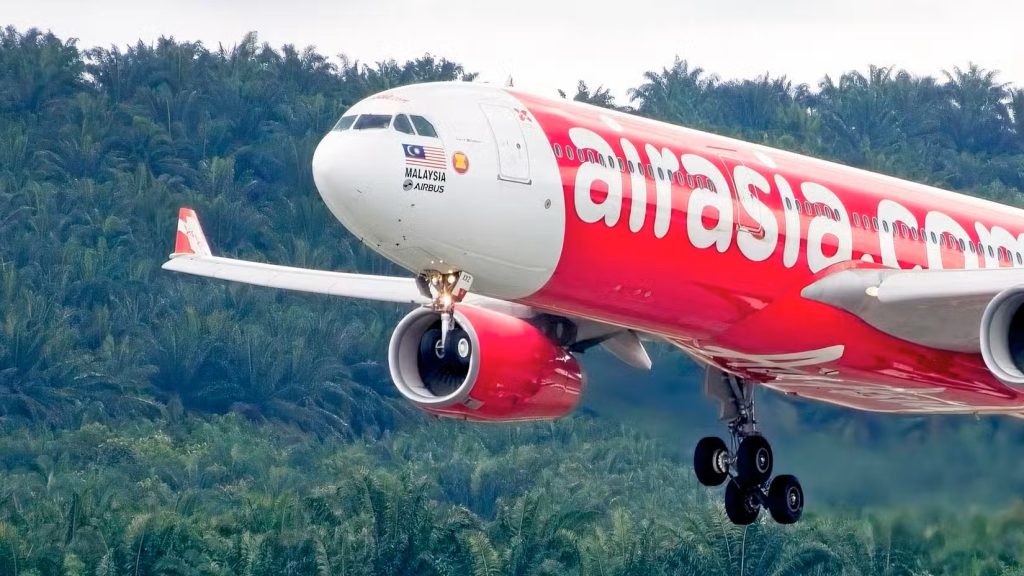
Today, however, the challenge is different. Rather than proving that budget airlines can fly long distances using large aircraft, AirAsia is betting that the future belongs to smaller, smarter, and more flexible operations capable of adapting quickly to changing market conditions.
If that bet pays off, the next revolution in low-cost flying may not be about carrying more passengers, but about opening up more routes and connecting more places than ever before.
Sources: Airbus, AirAsia Newsroom, The Edge Malaysia, The Star, Simple Flying.